
A small condo balcony in the Philippines typically accommodates a narrow bar table with a depth of 40 to 45 centimeters and a length of 100 to 120 centimeters, paired with two compact bar stools. This setup provides an elevated view over the railing while preserving a clear walking path. Balancing the physical footprint and visual weight of a bar table with chair set ensures the outdoor space remains functional, safe, and compliant with building regulations.
Measure Your Balcony Space and Clearance Needs
Condo balconies in the Philippines are often compact, sometimes measuring only 1.2 to 1.5 meters in depth. Unlike indoor rooms with square layouts, a balcony has unique structural elements like drainage slopes, sliding door tracks, structural pillars, and safety railings. Measuring the total length and width of the floor is only the starting point. You must map out the exact location of floor drains to ensure your furniture legs do not block water flow during heavy tropical downpours.
Clearance is critical for daily usability. Measure the swing radius of your balcony doors. If you have outward-swinging doors, they can easily collide with a bar table or chair. Even with sliding glass doors, you need to leave at least 60 to 70 centimeters of clear walkway space so you can step outside without squeezing past the furniture. Note any irregular corners, air conditioning condenser units, or structural pillars that reduce the actual usable footprint.
Products mentioned in this guide
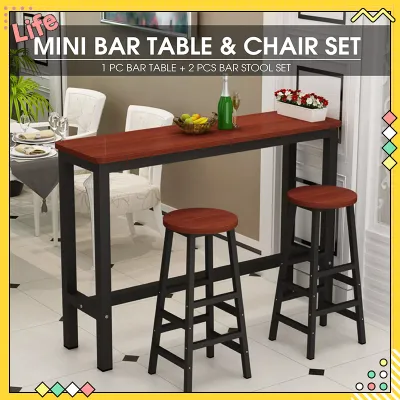
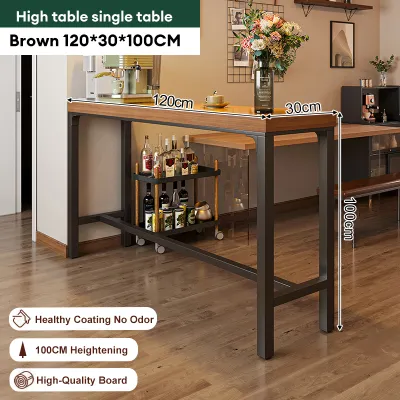
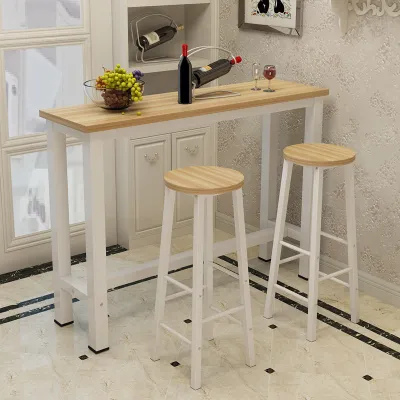
Prices are valid at publication and may change. Please refer to the product page for the latest price.
Keep in mind that balconies are built with a subtle slope to direct rainwater toward the floor drain. This slope means that taller furniture, like bar tables, might sit at a slight angle. Check if the table legs have adjustable levelers or feet to compensate for this slope, ensuring your drinks do not slide off the table. Additionally, check the dimensions of your condo’s service elevator, hallways, and entry doorways. Even if a bar table fits perfectly on your balcony, it must first be transported up to your unit and through your front door during assembly or delivery. Verifying these access points beforehand prevents delivery-day headaches, especially for fully assembled or heavy metal furniture pieces.
Before purchasing any furniture, review your condominium’s house rules or Property Management Office (PMO) guidelines. Many condo corporations in the Philippines enforce strict rules regarding furniture height, weight, and placement near railings to prevent wind hazards during typhoons. Some buildings prohibit any furniture that rises above the railing line or require items to be anchored or brought indoors during severe weather warnings. Understanding these constraints early prevents costly returns.
Recommended Bar Table Dimensions for Tight Spaces
Standard bar tables typically stand between 100 to 105 centimeters tall, which pairs naturally with bar stools that have a seat height of 70 to 75 centimeters. This elevated height is ideal for balconies because it aligns your line of sight over the typical 1.1-meter safety railing, allowing for an unobstructed view of the skyline. When selecting a set, verify the finished height of the table against your specific railing height to ensure you are not staring directly into a concrete or metal barrier when seated.

For narrow balconies, table depth is the most critical dimension to consider. Standard indoor dining tables are often 80 to 90 centimeters deep, which will completely block a small balcony. A specialized outdoor bar table with a narrow profile of 40 to 50 centimeters deep is much more suitable. This slim depth provides enough room for plates, glasses, and a laptop while leaving ample space behind the chairs for foot traffic and door clearance.
The shape of the table dictates the flow of movement on your balcony. Rectangular tables work exceptionally well when pushed directly against a wall or the railing, maximizing linear space and accommodating two chairs side-by-side. Round or square bar tables, on the other hand, encourage a more conversational layout but require more clearance on all sides. A round table helps soften the sharp angles of a small balcony and prevents painful bumps against sharp corners in tight quarters, but it cannot sit completely flush against a wall.
To avoid sizing mistakes, use painter’s tape or flattened cardboard boxes to recreate the physical footprint of the table on your balcony floor. Leave the mock-up in place for a day or two. Walk around it, open and close the balcony doors, and simulate sitting down. This simple visualization check confirms whether your chosen dimensions allow for comfortable movement or if you need to look for a more compact alternative.
Selecting a Bar Table with Chair Set: Count, Profile, and Storage
When pairing a bar table with chair units, the chair count should be guided by the table’s perimeter and your balcony’s physical limits, rather than a desire to maximize seating. For a standard small balcony, a two-chair setup is usually the practical limit. Attempting to crowd three or four stools around a small table makes the space feel cramped and restricts legroom. Each person needs about 60 centimeters of horizontal table space to dine comfortably without bumping elbows.
The profile of the bar chairs significantly affects both physical space and visual clutter. Backless stools are highly efficient because they can be tucked completely under the table when not in use, keeping the walkway entirely clear. However, they offer less comfort for extended sitting. Chairs with low or high backrests provide better support but occupy more physical space and can block natural light from entering your condo. On high-floor balconies prone to strong winds, heavy, low-profile stools are often safer than tall, high-backed chairs that can act as sails and tip over easily.
Storage-friendly designs are incredibly valuable in compact condominium living. Look for stackable or foldable bar chairs that can be easily stored in a utility closet or brought inside during typhoons. If you choose non-folding chairs, verify that they can slide fully under the table frame. Some bar tables have lower crossbeams or footrests that prevent chairs from being tucked in, leaving the stool bases protruding into your walking path.
Pay close attention to the leg splay and footrest width of the chairs. Some outdoor bar stools feature flared legs for stability, which increases their overall footprint on the floor even if the seat itself is small. Ensure the widest part of the chair’s base does not extend past the table’s edge where it can become a tripping hazard. Check the manufacturer’s specifications for the exact base dimensions rather than relying solely on the seat size.
Space-Saving Alternatives: Folding and Wall-Mounted Sets
If a permanent, freestanding bar table with chair set takes up too much space, adaptable alternatives can keep your balcony versatile. Folding bar tables and drop-leaf designs allow you to expand the tabletop when entertaining and fold it down flush when you need the floor space for drying laundry or tending to balcony plants. When evaluating these options, check the durability of the hinges and locking mechanisms. The base must have sufficient weight or a wide enough stance to remain stable during sudden gusts of wind, which are common on high-rise balconies. When selecting folding models, look for stainless steel hardware or rust-resistant coatings, as standard steel hinges will quickly corrode in high-humidity areas like Metro Manila or coastal regions.
Wall-mounted or railing-mounted bar tables are excellent options for extremely narrow balconies where floor space is virtually non-existent. These tables mount directly to the concrete wall or hang securely from the balcony railing, eliminating the need for bulky table legs. Before opting for this style, you must verify the structural integrity of your railing and ensure the mounting brackets are compatible with its shape and thickness.
Always consult your condo’s PMO before installing any mounted furniture. Drilling into exterior walls, structural concrete, or balcony tiles is strictly prohibited in most Philippine condominiums to prevent water seepage, structural damage, and violations of building warranties. If drilling is banned, look for non-invasive, clamp-on railing tables that secure tightly using heavy-duty tension screws and brackets, which can be removed easily without leaving permanent damage.
Common Sizing and Placement Mistakes to Avoid
One of the most frequent mistakes is placing a bar table too close to the balcony railing. While it is tempting to push the table right up to the edge to maximize floor space, this setup can make sitting down awkward and unsafe. If your chairs face the railing, you need enough clearance to pull the chair back safely without hitting walls or doors. If your back is to the railing, ensure the railing is high enough and the chair is stable enough to prevent any tipping hazards.
Another common error is ignoring the visual weight of the furniture. A bar table with a solid concrete or thick wooden pedestal base might technically fit your measurements, but its bulky silhouette will make a small balcony feel incredibly cramped. Opt for furniture with slender, open metal frames or light woven designs that allow light and air to pass through. This keeps the outdoor space feeling open, breezy, and visually spacious.
In the tropical climate of the Philippines, high humidity, intense sunlight, and heavy seasonal rains can quickly damage poorly placed furniture. Ensure your layout allows for proper airflow around the set to prevent moisture from getting trapped against the walls or floor, which can lead to mold and mildew growth. Avoid placing furniture directly under air conditioning drainage pipes or in areas where rainwater pools. When selecting materials like metal, engineered wood, or synthetic rattan, remember that a material’s name alone does not guarantee weather or moisture resistance. Inspect the quality of the protective finish, check that the joints are welded or sealed securely against rust, and review the manufacturer’s care instructions to ensure the set can withstand the high humidity and heavy rainfall of the local climate.
Frequently Asked Questions (FAQ)
Can I use a standard dining table instead of a bar table on a small balcony?
While you can use a standard dining table, it is often less practical for a small balcony. Standard tables sit lower (around 75 centimeters), which means your view of the outside is often blocked by the solid concrete or metal balcony railing. Bar tables elevate your seating position, allowing you to look over the railing comfortably. Additionally, standard dining tables usually have a wider, more square footprint that can quickly consume the limited floor space of a narrow condo balcony.
How much space should I leave between the bar table and the balcony railing?
You should aim to leave at least 60 to 75 centimeters of clearance between your bar table and the balcony railing or walls. This space is necessary to comfortably pull out a bar chair, sit down, and stand up without feeling restricted. It also ensures that the chair’s legs remain safely on the flat portion of the balcony floor, away from any drainage slopes or edges, minimizing the risk of tipping or structural interference.
Community discussion
Share your experience or ask a question. Comments are reviewed before publication.