
To enjoy outdoor grilling on a compact condo balcony without sacrificing floor space or safety, the ideal BBQ table grill setup should feature a shallow depth of 40 to 50 centimeters and a width of 60 to 90 centimeters. This footprint allows you to maintain the standard ergonomic walkway clearance of 70 to 90 centimeters, ensuring residents can walk past the cooking station comfortably and safely. Choosing the right size requires balancing your cooking needs with the physical limitations of high-rise outdoor spaces.
Selecting furniture for a small balcony is a game of millimeters. By understanding your balcony’s exact dimensions, choosing space-saving shapes, and adhering to local safety guidelines, you can create an inviting outdoor cooking area that functions beautifully without causing spatial congestion.
How to Measure Your Balcony and Walkway Clearance
Before browsing online marketplaces or visiting outdoor furniture showrooms, you must establish the exact boundaries of your usable balcony space. Balconies in urban developments often feature structural irregularities, such as protruding concrete pillars, drainage pipes, or low-hanging air conditioning ledges. Use a heavy-duty metal tape measure to record the absolute width and depth of the floor area, measuring from the inner edge of the balustrade or railing to the exterior wall of the condo.
Products mentioned in this guide
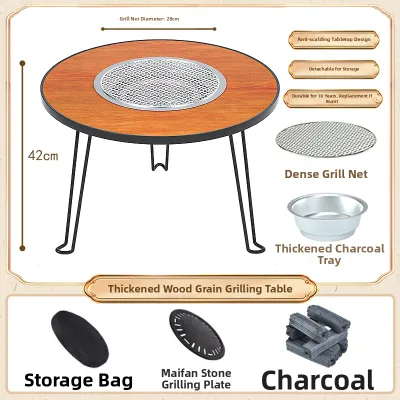
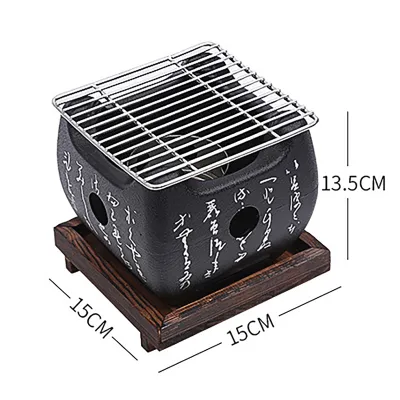
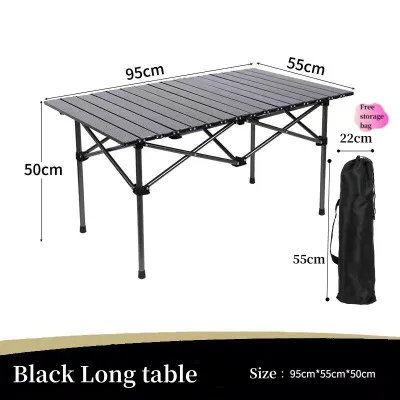
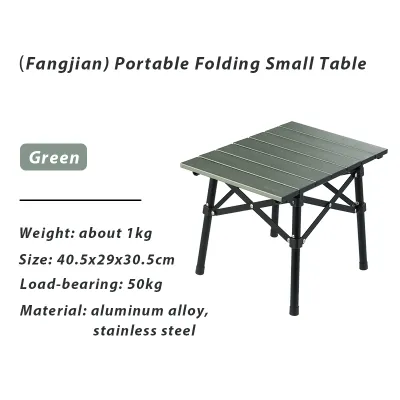
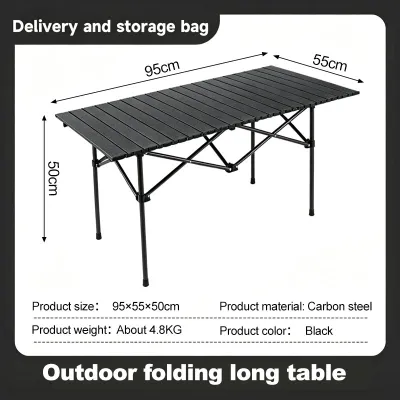
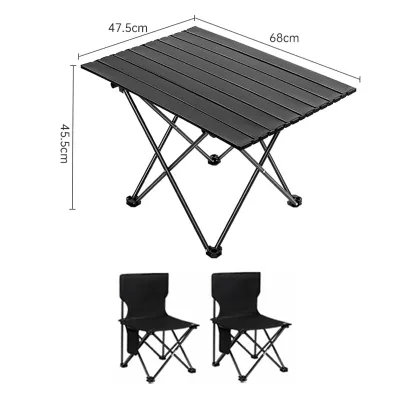
Prices are valid at publication and may change. Please refer to the product page for the latest price.
Calculating functional walkway clearance is the most critical step in preserving your balcony’s flow. Standard residential design guidelines recommend maintaining a clear pathway of 70 to 90 centimeters for comfortable human passage. If your balcony is exceptionally narrow, you might have to adjust this clearance down to a strict minimum of 60 centimeters, which allows a single adult to pass sideways. To visualize this, use painter’s tape to map out the proposed footprint of your BBQ table grill on the balcony floor, then walk past it to test the physical clearance.
Door swing dynamics can instantly disrupt a poorly planned balcony layout. Observe how your balcony doors operate. Sliding glass doors are highly space-efficient because they run parallel to the wall, but you must still ensure the table grill does not block the door track or prevent the door from opening wide enough for easy access. If you have an outward-swinging door, measure its full swing radius and ensure the table grill sits entirely outside this arc to prevent accidental collisions with hot cooking surfaces.
Vertical clearance is another frequently overlooked measurement, particularly on recessed balconies with low concrete overhangs or upper-floor ceilings. High-intensity grills emit substantial upward heat plume currents. Measure the distance from the top of your proposed table surface to the ceiling. You should aim for a minimum vertical clearance of 1.2 to 1.5 meters from the cooking grate to any overhead structure to prevent heat damage, paint blistering, or the accidental triggering of balcony sprinkler systems.
Ideal BBQ Table Grill Dimensions and Shapes for Small Balconies
When dealing with limited balcony square footage, the shape of your BBQ table grill dictates how much usable walkway remains. Rectangular, square, and round tables interact differently with tight spatial boundaries.

- Slim Rectangular Tables: These are highly efficient for narrow balconies. A rectangular table with a shallow depth can be pushed flush against a solid masonry wall or nestled directly against the balcony railing, keeping the central walkway clear.
- Half-Moon (Semicircular) Tables: These tables feature a flat back that sits flush against the wall and a curved front. The rounded edges eliminate sharp corners, reducing the risk of painful bumps when navigating a tight walkway.
- Square and Round Tables: While aesthetically pleasing, these shapes generally require clearance on all sides to remain functional. They tend to push the cooking zone into the center of the balcony, making them less suitable for narrow layouts.
Depth is the single most important dimension for preserving walkway space. For balconies under 1.5 meters in total depth, look for tables with a depth of 35 to 45 centimeters. A shallow table of this size can accommodate compact, portable tabletop grills while leaving sufficient room for a plates and tongs. If your balcony is slightly deeper, a table depth of 50 to 60 centimeters provides a more generous prep area but requires careful placement to avoid encroaching on the main traffic path.
Table height should align with your existing balcony layout to maximize utility. If your balcony features low-profile lounge chairs, a coffee-table-height grill stand (around 45 to 55 centimeters) keeps the cooking surface at an accessible level. For standard dining setups, a table height of 75 centimeters is ideal. If you use bar stools, a high-top bar table (90 to 105 centimeters) is exceptionally space-efficient, as the stools can slide completely underneath the table when the grill is not in use, instantly reclaiming valuable floor space.
There is no single universal dimension that fits every condo balcony. The ideal size is always relative to your specific floor plan. A tiny studio balcony might only accommodate a 60-centimeter-wide folding side table, while a larger corner balcony might easily host a 120-centimeter-long multi-functional prep station.
Space-Saving Designs and Layout Strategies
To make the most of a compact balcony, prioritize furniture designs that offer flexibility and multi-functional utility. Foldable and drop-leaf BBQ tables are outstanding solutions for tight spaces. These designs allow you to extend the tabletop to its full size during weekend cookouts, and then fold the leaves down to a slim profile of just 15 to 20 centimeters when the grill is stored away. This flexibility ensures your balcony remains a versatile space for morning coffee or drying laundry.
Wall-mounted and railing-mounted grill tables offer another way to free up floor space entirely. Railing-mounted tables clip securely onto the balustrade, suspended over the balcony edge or resting flat against the railing bars. Before choosing this route, you must verify the structural integrity and weight limits of your specific balcony railing. Solid concrete or heavy-duty steel railings can easily support these setups, but lightweight aluminum, glass-paneled, or decorative railings may not be engineered to carry concentrated lateral loads. Always check your condominium’s structural guidelines before mounting any furniture to common-area railings.
Multi-functional designs help reduce the overall piece count on your balcony. Look for BBQ tables that feature built-in lower storage shelves, utensil hooks, or dedicated spice racks. Some advanced models feature removable center panels; when the tabletop grill is cool and stored away, you can insert the flush panel to convert the entire unit into a seamless outdoor dining or writing table. This eliminates the need for a separate dining table, keeping the balcony clutter-free.
Strategic layout placement can dramatically improve the safety and comfort of your outdoor cooking area. Position your grill table in a corner or against a solid masonry wall rather than in the middle of the balcony. This placement shields the grill from sudden gusts of wind, which can disrupt cooking temperatures or blow smoke back into your living room. Additionally, keeping the cooking station away from the main sliding door ensures that guests do not have to squeeze past a hot grill to step inside.
Safety Clearances, Ventilation, and Condo Regulations
Operating a grill in a high-rise residential environment requires strict adherence to safety clearances and ventilation practices. Grills produce intense localized heat that can damage nearby materials. As a general rule, maintain a safe distance of at least 60 centimeters between the hot surfaces of the grill and any combustible materials, such as wooden wall paneling, outdoor curtains, or plastic planters. Always refer to your specific grill manufacturer’s manual, as clearance requirements vary significantly between electric, gas, and charcoal models.
Living in a tropical climate like the Philippines introduces specific environmental challenges, including intense humidity, salty coastal air, and heavy monsoon rains. These conditions accelerate rust and material degradation. When selecting a BBQ table grill, prioritize highly durable, corrosion-resistant materials. Marine-grade 304 stainless steel, powder-coated aluminum, and high-density polyethylene (HDPE) lumber are excellent choices that withstand tropical weather. Avoid cheap chrome-plated steel or untreated softwoods, which can degrade within a single wet season. Investing in a heavy-duty, UV-resistant, and waterproof cover is essential to protect your equipment when it is not in use.
Before purchasing any grilling equipment, you must consult your condominium’s Property Management Office (PMO) and review the building’s house rules. Many high-rise developments in the Philippines strictly prohibit the use of open-flame charcoal grills on balconies due to fire hazards, falling ash, and the nuisance of drifting smoke entering neighboring units. Some buildings permit small, canister-powered LPG gas grills, while others restrict balcony cooking exclusively to electric grills. Violating these policies can result in steep fines and require you to dismantle your outdoor setup.
Common Sizing and Placement Mistakes to Avoid
One of the most frequent errors condo owners make is measuring their balcony based solely on the closed footprint of the grill. A BBQ grill’s operational footprint is often much larger than its static dimensions. For example, a grill lid requires extra rear clearance to swing fully open. If a table is pushed tight against a wall, you may find you cannot open the grill lid completely without pulling the entire table forward, instantly blocking your walkway. Similarly, side shelves that fold out for prep space can add 30 to 50 centimeters to the overall width of the unit.
Never position your BBQ table grill in a way that blocks critical building infrastructure or safety pathways. Avoid placing furniture directly over the balcony floor drain. During heavy tropical downpours, water must flow freely to the drain; a blocked grate can cause rapid pooling and lead to expensive water damage inside your living room. Additionally, ensure that your setup does not obstruct access to emergency escape routes, fire ladders, or utility access panels.
Finally, always consider the total weight of your grilling setup. A heavy concrete-topped table paired with a cast-iron grill and a full gas canister can exert significant localized load on a balcony slab. While modern buildings are engineered to support standard residential loads, older structures may have lower weight tolerances. Opt for lightweight yet sturdy materials, such as aluminum frames and portable tabletop grills, to keep the overall weight well within safe limits while still enjoying a stable, high-quality cooking surface.
Frequently Asked Questions (FAQ)
Can I use a charcoal BBQ table grill on a condo balcony?
In the Philippines, most condominium property management offices strictly prohibit the use of charcoal grills on balconies. The primary concerns are the high risk of accidental fires from flying embers, falling ash that can damage lower units, and heavy smoke that disturbs neighboring residents. It is highly recommended to check your specific building’s deed of restrictions. If charcoal is banned, look into smokeless electric grills or compact, approved LPG canister models as safe and compliant alternatives.
How do I protect my BBQ table grill from heavy rain and humidity?
To protect your outdoor setup from the intense tropical humidity and heavy monsoon rains of the Philippines, always use a custom-fit, breathable, and waterproof grill cover when the unit is not in use. Clean the table and grill regularly to remove salt spray, grease, and moisture buildup, which can accelerate corrosion. During severe weather events or the typhoon season, it is best to fold down the table and store the grill unit indoors or in a dry utility area to prevent wind damage and prolonged moisture exposure.
Community discussion
Share your experience or ask a question. Comments are reviewed before publication.