
Finding the right cabinet stand rack for a small bathroom in the Philippines requires balancing a compact footprint with maximum vertical storage. Because local bathrooms often feature tight layouts, floor drains, and high humidity, there is no single universal size that fits every home. Instead, the ideal rack is one that matches your specific zone—whether over the toilet, inside a narrow corner, or next to a pedestal sink—while leaving enough clearance for doors to swing freely and water to drain properly.
By focusing on precise measurements, obstacle mapping, and moisture-resistant materials, you can find a storage solution that maximizes your space without causing physical hazards or interfering with daily bathroom operations.
How to Measure Your Bathroom Space Accurately
Start by measuring the floor footprint of your intended spot. Use a metal measuring tape to record the exact length and width of the floor area. Be sure to measure from the baseboards rather than the bare wall, as baseboards can reduce your available floor space by a few centimeters.
Products mentioned in this guide
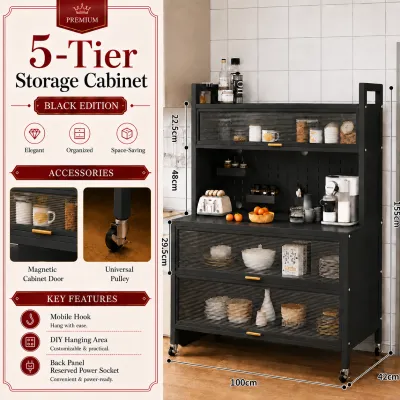
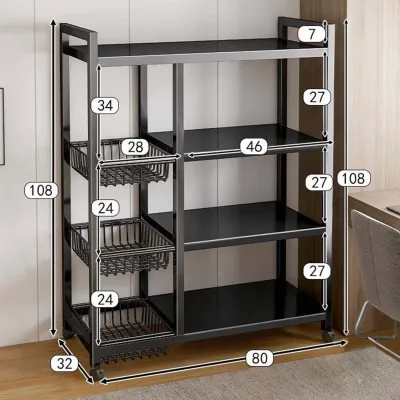
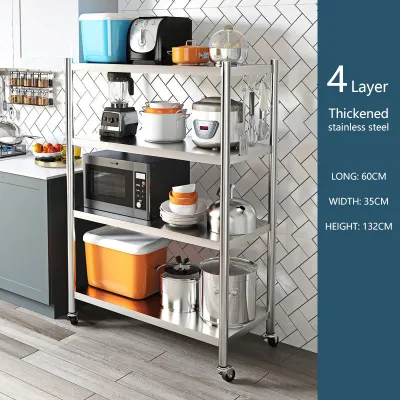
Prices are valid at publication and may change. Please refer to the product page for the latest price.
Pay close attention to the floor slope and tiles. Many bathrooms in the Philippines are designed with a slight slope toward a floor drain to prevent pooling water. This slope can cause tall, narrow racks to wobble. Check the exact spot where the rack’s feet will rest to ensure they will not block a drain cover or sit unevenly on grout lines.
Next, measure the vertical clearance from the floor to the ceiling or the lowest overhead obstruction. Note the position of wall-mounted water heaters, exhaust fans, windows, or low-hanging light fixtures. A rack that is too tall might block ventilation or make it difficult to access overhead fixtures safely.
Map out all physical obstacles on the wall and floor. Look for protruding plumbing pipes, shut-off valves, electrical outlets, and towel bars. If you plan to place a rack over or near plumbing fixtures, record the height of these pipes from the floor so you can verify if the rack’s crossbars or lower shelves will clear them during assembly.
Matching Rack Dimensions to Common Small Bathroom Zones
The over-the-toilet zone is one of the most popular spots for a cabinet stand rack in compact bathrooms. To find a rack that fits, measure the total height of your toilet tank from the floor, including the flush button or lever. You must ensure the bottom shelf of the rack sits high enough to allow you to open the tank lid for maintenance and operate the flush mechanism comfortably.

Measure the outer width of the toilet tank and leave a buffer of at least two to three centimeters on each side. This ensures the legs of the stand rack can slide over the toilet without scraping the porcelain or crowding the space. Also, check the distance from the wall to the back of the toilet bowl to confirm the rack’s depth will not push the unit too far forward into your walking path.
Narrow gaps and corners offer excellent opportunities for slim-profile or corner stand racks. If you have a tight space between the sink and the wall, or beside a shower enclosure, measure the width of this gap at its narrowest point. Corner racks should be checked for depth along both walls to ensure they do not protrude past the edge of nearby fixtures.
For sink-side storage, low-profile stand racks can utilize the space next to or under a sink. If you have a pedestal sink, measure the width and height of the pedestal column. Some specialized racks are designed with a curved cutout to wrap around the pedestal, while others must stand completely clear of it. Verify that the height of a sink-side rack does not exceed the rim of the basin, keeping daily essentials within easy reach.
Essential Clearance, Door Swing, and Safety Checks
Before finalizing your purchase, verify the door and cabinet swings in your bathroom. Open the main bathroom door, the shower enclosure door, and any mirror cabinets completely. Measure the distance from these doors to your proposed rack location to ensure they can open fully without striking the rack’s frame or shelves.
Maintain adequate walkway and passage width to ensure safe movement throughout the space. In a wet environment like a bathroom, tight passages increase the risk of slipping, tripping, or bumping into sharp corners. Aim to keep walkways clear so that you can step out of the shower or move away from the toilet without squeezing past the rack.
Evaluate the stability of the rack on wet tiles. Look for units with adjustable leveling feet, which allow you to compensate for sloped bathroom floors. If you live in a high-humidity region, check the manufacturer’s product label to verify that the materials, finishes, or coatings are rated for wet environments to prevent premature rust, warping, or mold.
Consider the anchoring method recommended by the manufacturer. Tall, narrow cabinet stand racks can become top-heavy when loaded with toiletries. Check if the unit includes wall-anchoring hardware and verify if your bathroom walls can support drilling, especially if you have ceramic tiles that require specialized drill bits.
Space-Efficient Features for Compact Layouts
To maximize storage without expanding the physical footprint, look for racks with adjustable shelving. This feature allows you to change the height of individual shelves to accommodate tall shampoo bottles, pump dispensers, or bulky cleaning supplies, preventing wasted vertical space.
Multi-tier and vertical designs are highly effective for small layouts because they utilize unused air space. A narrow three-tier or four-tier structure provides ample storage while occupying minimal floor area. Ensure the weight capacity of each tier is clearly stated in the manufacturer’s instructions to avoid overloading the top shelves.
Mobility can also improve accessibility in tight spaces. Some slim stand racks feature lockable casters, allowing you to roll the unit out for easy floor cleaning or to access items stored in the back. If you choose a mobile rack, ensure the wheels can be locked securely to prevent the unit from shifting on sloped or wet tiles.
Frequently Asked Questions (FAQ)
Can I use a standard living room shelf as a bathroom cabinet stand rack?
It is generally not recommended to use a standard living room shelf in a bathroom unless the manufacturer explicitly states it is rated for high-humidity environments. Standard wooden shelves can warp, swell, or develop mold when exposed to constant moisture, while untreated metal shelves are highly susceptible to rust. Always check the product specifications for moisture-resistant finishes or rust-preventive coatings before placing any shelving unit in a bathroom.
What is the minimum width needed for a slim bathroom stand rack?
There is no universal minimum width, as the ideal size depends entirely on your available space. To find the right fit, measure the exact width of your target gap and subtract at least one to two centimeters to allow for easy insertion, removal, and proper airflow. Additionally, check the manufacturer’s specifications for the rack’s base width, as some models have wider feet or stabilizing bars that extend beyond the width of the upper shelves.
Community discussion
Share your experience or ask a question. Comments are reviewed before publication.