
Finding the right balance between storage and floor space is a common challenge in compact Philippine condominiums. A shoe rack with hooks offers an efficient, dual-purpose solution for organizing footwear and daily essentials right at the entrance. To fit a typical condo foyer without creating a cramped bottleneck, the ideal unit should feature a slim depth of 15 to 30 centimeters and a width of 50 to 80 centimeters. This compact footprint keeps the entryway clear while utilizing vertical wall space for hanging items.
In tropical climates, entryways must handle unique daily demands, from wet umbrellas during the monsoon season to quick-dry slip-ons and heavy work bags. Selecting the wrong size can lead to blocked doorways, scuffed walls, or a cluttered look that disrupts the flow of your home. By focusing on precise physical measurements, structural stability, and smart configurations, you can select a unit that maximizes utility without compromising your living space.
Measure Your Entryway Space and Clearance
Before browsing online marketplaces or visiting local furniture showrooms, you must establish the exact physical boundaries of your entryway. Begin by measuring the available floor area where the rack will stand. Use a metal measuring tape to determine the maximum allowable width and depth, keeping in mind that a standard hallway requires at least 70 to 90 centimeters of unobstructed walking space. If your corridor is exceptionally narrow, look for ultra-slim units that sit flush against the wall.
Products mentioned in this guide
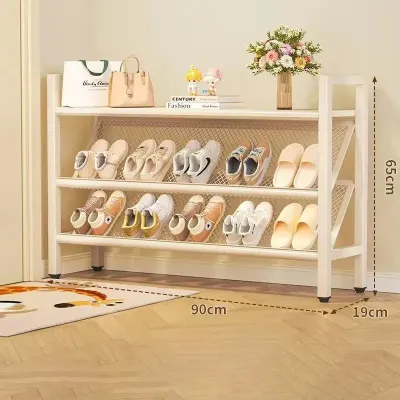
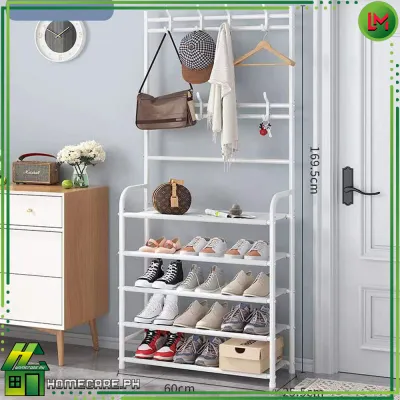
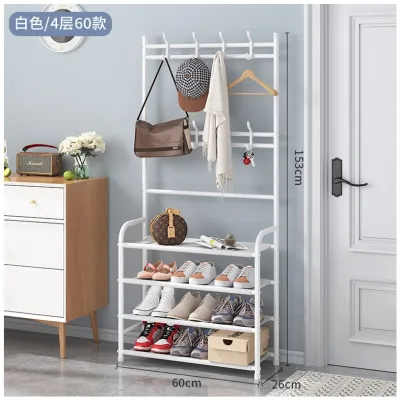
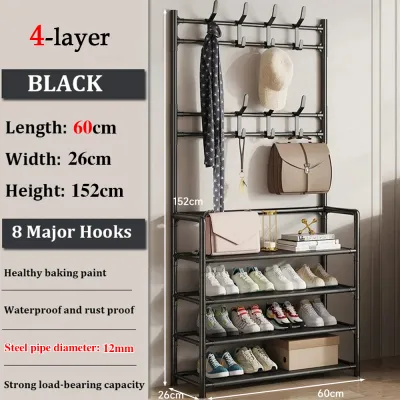
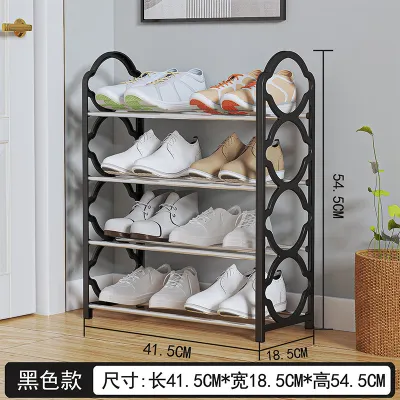
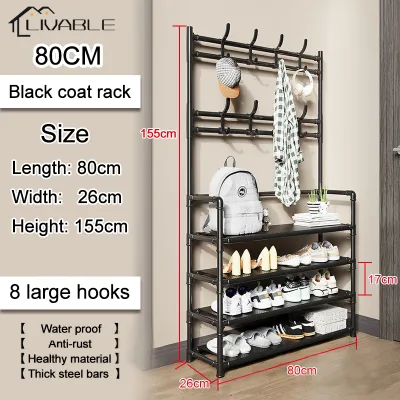
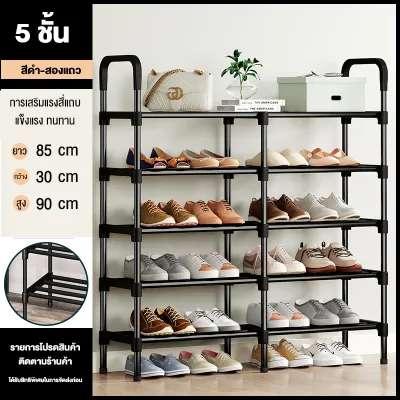
Prices are valid at publication and may change. Please refer to the product page for the latest price.
Next, analyze the door swing clearance of your main entrance door and any nearby closet or bathroom doors. A shoe rack that blocks a door from opening fully is both a daily frustration and a safety hazard. Open the main door completely and trace its path along the floor, marking the boundary where the furniture can safely sit. Remember to account for any door trim, handles, or security latches that might protrude into the space when the door is open.
Vertical clearance is equally critical when installing a unit that features integrated hooks. Measure the height from the floor to any wall-mounted obstacles, such as light switches, intercom systems, circuit breaker panels, or decorative wall art. The top of the rack or the tips of the hooks should sit at least 10 to 15 centimeters away from these fixtures to ensure easy access. Additionally, check the height of your baseboards, as thick baseboards can prevent a freestanding rack from sitting completely flush against the wall, effectively increasing its depth footprint.
Standard Dimensions and Configurations for Compact Spaces
When shopping for a shoe rack with hooks, you will generally encounter two primary configurations: ultra-slim tipping-bucket cabinets and traditional open-shelf racks. Tipping-bucket designs are highly favored in compact condos because they feature a depth of just 15 to 20 centimeters. In these units, shoes are stored vertically inside compartments that pull open, making them ideal for narrow hallways where a standard shelf would protrude too far.

Traditional open-shelf units typically require a depth of 28 to 30 centimeters to allow shoes to sit flat. While they occupy slightly more floor space, they offer easier access and better ventilation, which is highly beneficial in the humid Philippine climate. If you choose an open-shelf design, look for a narrow width of 50 to 60 centimeters to minimize the horizontal footprint while utilizing multiple vertical tiers to increase storage capacity.
Vertical orientation is the most efficient way to maximize storage in a small condo. A tall, narrow unit that reaches 160 to 180 centimeters in height allows you to stack four to six tiers of shoes below, while placing hooks at a comfortable reaching height above. Look for units that offer adjustable or removable shelves. This flexibility allows you to customize the tier heights, making it easier to store flat sandals on lower shelves while creating taller compartments for high-top sneakers, boots, or heels.
Evaluate Hook Placement and Weight Capacity
The hooks on an entryway rack are designed to hold daily essentials like keys, hats, umbrellas, and bags, but their placement must be highly functional. Ideally, the hooks should be positioned at a height of 130 to 160 centimeters from the floor. This range ensures that average-sized adults can easily reach their items without stretching, while also preventing long items, such as umbrellas or tote bags, from hanging down and resting on the shoe shelves below.
Before purchasing, verify the manufacturer’s specified weight limits for both the individual hooks and the overall unit. Entryway racks in busy households often end up holding heavy laptop bags, wet raincoats, and multiple sets of keys. Overloading the hooks can bend the hardware or, worse, cause the entire unit to become unstable. Look for sturdy metal hooks that are securely screwed into the main frame rather than thin plastic hooks or adhesive alternatives.
A major safety consideration for slim, tall furniture is the shift in the center of gravity. When you hang heavy items on high hooks, a narrow freestanding rack becomes top-heavy. This increases the risk of the unit tipping forward when you pull a bag off a hook or accidentally bump into the frame. To mitigate this risk, plan to place heavier items on the lower shelves—such as heavy boots or storage baskets—to keep the base weighted down and stable.
Material and Stability Checks for Condo Living
The structural integrity of your shoe rack is vital, especially when placed on smooth condo flooring like polished ceramic tiles, vinyl planks, or laminated wood. Examine the base footprint and leg design of the unit. A wider, continuous base or legs with a slight outward flare will provide significantly more stability than thin, straight legs. If the unit wobbles when empty, it will only become more unstable once loaded with shoes and bags.
Because of the tipping hazards associated with tall, narrow furniture, checking for anti-tip hardware is essential. Many manufacturers include wall-anchor straps or brackets with their units. If you are renting a condo, check your building’s guidelines regarding drilling into walls, as concrete walls common in Philippine high-rises require a masonry drill and sturdy wall plugs. If drilling is prohibited, prioritize freestanding units with a wider, heavier base and avoid hanging heavy items on the top hooks.
Finally, inspect the bottom of the legs for built-in floor protectors or adjustable leveling feet. Leveling feet are incredibly useful for compensating for slightly uneven condo floors, allowing you to stabilize the rack with a quick turn of a screw. Soft rubber or felt pads on the bottom of the legs will also prevent the metal or wood frame from scratching your flooring when the unit is moved for cleaning.
Common Sizing Mistakes to Avoid
One of the most frequent mistakes when choosing a slim shoe rack is overlooking the actual length of your footwear. Many ultra-slim racks with a depth of 20 to 25 centimeters are designed for average shoe sizes. If members of your household wear larger shoe sizes, their footwear may overhang the shelves, preventing cabinet doors from closing or creating an obstruction in a narrow walkway. Always measure the length of your largest pair of shoes and compare it to the usable shelf depth.
Another critical error is failing to maintain clear pathways for emergency situations. Condo association rules often strictly prohibit placing any furniture that restricts the clear width of the main exit path. Ensure that even when the shoe rack is fully loaded and coats are hanging from the hooks, there is still ample space to navigate the entryway comfortably during a power outage or emergency evacuation.
Lastly, do not rely solely on product descriptions that use generic terms like “compact,” “mini,” or “space-saving.” These labels are subjective and vary widely between manufacturers. A unit labeled “compact” might still be too wide for a tight studio condo entryway. Always rely on the exact millimeter or centimeter measurements provided in the product specifications, and map those dimensions out on your floor using masking tape before making a final decision.
Frequently Asked Questions (FAQ)
Can a freestanding shoe rack with hooks tip over in a narrow hallway?
Yes, freestanding shoe racks with integrated hooks can tip over, especially if they are tall, narrow, and loaded with heavy items near the top. Hanging heavy backpacks, wet jackets, or large bags on the upper hooks shifts the center of gravity upward, making the unit unstable. To prevent tipping, always distribute weight evenly, place heavier items on the bottom shelves, and secure the unit to the wall using the manufacturer’s recommended anti-tip hardware.
How many pairs of shoes can a slim entryway rack typically hold?
The capacity of a slim entryway rack depends on the usable width of each shelf and the style of your footwear. On average, a standard pair of adult shoes requires about 20 to 25 centimeters of horizontal shelf space. A rack with a width of 60 centimeters can typically hold two to three pairs of flat shoes per tier. Keep in mind that bulky sneakers, boots, or wide sandals will take up more space, reducing the total capacity per shelf.
Is it better to choose a wall-mounted or freestanding shoe rack with hooks for a condo?
The choice depends on your condo’s rules and your storage needs. Wall-mounted units are excellent for saving floor space and keeping the entryway easy to clean, but they require drilling into concrete walls, which may not be allowed for renters. Freestanding units offer excellent flexibility, require no permanent installation, and can be easily moved, but they occupy valuable floor space and must be carefully balanced to prevent tipping.
Community discussion
Share your experience or ask a question. Comments are reviewed before publication.