
Finding the right stackable bin organizer for a compact condominium in the Philippines requires balancing limited shelf space with daily accessibility. The ideal bin size is not a single universal dimension; rather, it is a set of measurements that leaves at least 2 to 3 centimeters of clearance on all sides of your cabinet or shelf. In tropical climates where humidity can affect stored items, selecting the correct bin size and material ensures proper air circulation while maximizing vertical storage. By measuring your specific cabinet depths and matching them to your organizational needs, you can transform cluttered shelves into highly efficient storage zones without wasting a single centimeter.
How to Measure Your Condo Shelves and Cabinets for Bins
Before purchasing any stackable bin organizer, taking precise measurements of your storage spaces is essential to avoid fitment issues. Begin by measuring the internal width, depth, and height of each shelf or cabinet compartment. Use a reliable metal measuring tape rather than a flexible fabric one to ensure accuracy. When measuring the depth, do not simply measure from the back wall to the front edge of the shelf; instead, measure up to the point where the cabinet door or sliding track sits when fully closed.
You must also account for internal obstructions that can significantly reduce usable space. Cabinet hinges, sliding door tracks, shelf support pegs, and protruding back panels are common features in condo cabinetry that can block a bin from sliding in smoothly. For instance, if a cabinet door hinge protrudes two centimeters into the cabinet opening, your maximum usable width is determined by the distance between that hinge and the opposite wall, not the wall-to-wall measurement. If your cabinets have sliding doors, measure the clearance when one door is slid completely over the other, as this often restricts the opening size.
Products mentioned in this guide
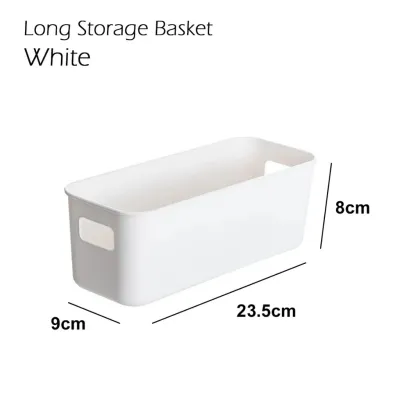
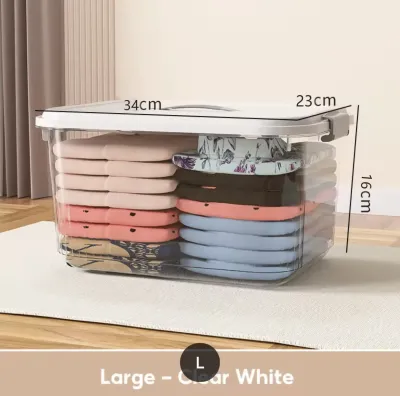
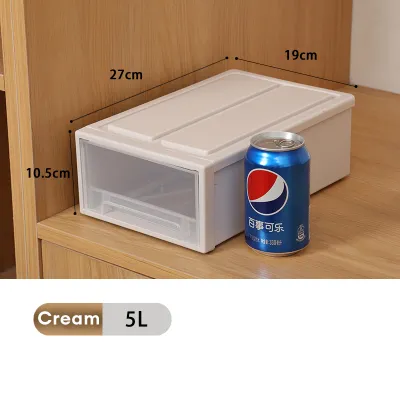
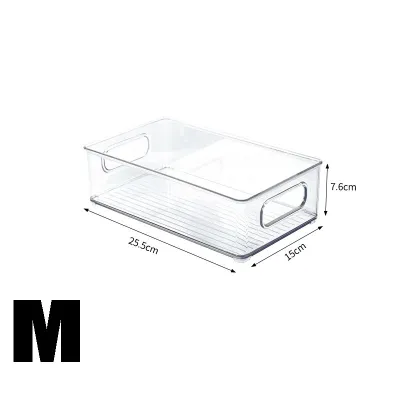
Prices are valid at publication and may change. Please refer to the product page for the latest price.
Finally, factor in adequate finger clearance on all sides of the bin. A stackable bin organizer that fits too tightly against the cabinet walls will be difficult to retrieve and can scratch the interior finish of your furniture over time. Leaving a gap of at least one to two centimeters on the left and right sides allows your fingers to grip the sides of the bin easily. Similarly, ensure there is enough vertical clearance at the top of the shelf so you can lift or slide the bin out without scraping the shelf above it.
Matching Bin Dimensions to Your Storage Needs
Selecting the right proportions for your stackable bin organizer depends heavily on the specific items you plan to store and the layout of your shelves. For shallow shelves, such as those often found in condo entryways or small wardrobes, shallow and wide bins are highly effective. These proportions are ideal for storing folded t-shirts, linens, documents, or small accessories because they allow you to see all items at a glance without having to dig through deep layers.

Conversely, deeper and narrower bins are better suited for kitchen pantries, under-sink cabinets, or bathroom shelving. These bins excel at holding tall bottles, cleaning supplies, or packaged pantry goods. When organizing deep cabinets, however, you must evaluate the trade-off between maximizing the depth of the shelf and maintaining easy access to your belongings. While a very deep bin utilizes every centimeter of shelf space, it can make retrieving items stored at the very back more difficult if the bin is heavy or lacks a smooth-sliding mechanism.
To optimize your shelf space fully, plan side-by-side arrangements that minimize awkward, unusable gaps. For example, if you have a shelf that is 60 centimeters wide, using two bins that are each 28 centimeters wide is far more efficient than using a single 45-centimeter bin. The latter configuration leaves a 15-centimeter gap that is often too narrow for practical storage, resulting in wasted space. By combining different bin widths that add up close to your total shelf width—while still allowing for finger clearance—you can create a seamless, custom-looking storage system.
Key Considerations for Stacking Bins in Compact Spaces
Stacking bins vertically is an excellent way to utilize the high ceilings and vertical space of modern condo units, but safety and stability must remain top priorities. Before stacking any organizers, verify the stacking mechanism by checking the manufacturer’s product label or specifications. High-quality stackable bin systems typically feature interlocking lids, molded top grooves, or anti-slip bases that prevent the upper bins from sliding off when doors are opened or closed. Avoid stacking bins that merely sit on top of one another without any physical nesting or interlocking features, as these are highly prone to slipping.
Proper weight distribution is another critical factor in maintaining a stable storage setup. Always place the heaviest items, such as canned goods, heavy tools, or large bottles, in the bottom bins of your stack. This keeps the center of gravity low, which significantly reduces the risk of the entire stack tipping over. Additionally, respect the load limits of your shelving units. Adjustable shelves supported by small plastic or metal pegs have strict weight capacities; overloading stacked bins on these shelves can cause the pegs to fail or the shelf to bow.
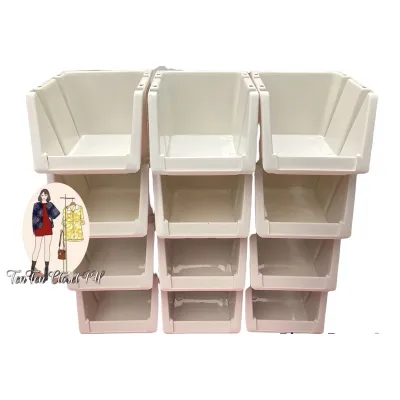
You must also check the maximum stack height against the vertical clearance of your shelf. When calculating this, remember that you need enough space to actually use the bins. If you are using bins with lift-off lids, you must leave enough vertical clearance above the top bin to lift the lid off comfortably, or you must have enough room to pull the entire top bin down to access its contents. For tight spaces, drawer-style stackable bins or bins with front-opening flaps are often more practical because they allow access to the contents without requiring you to unstack the units.
Common Sizing Mistakes to Avoid
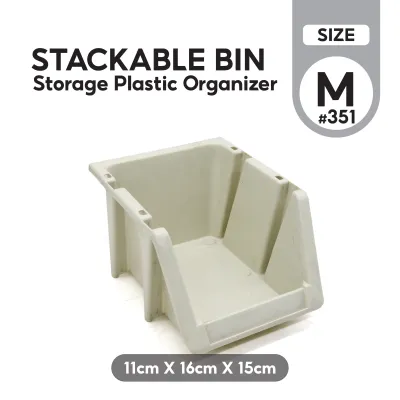
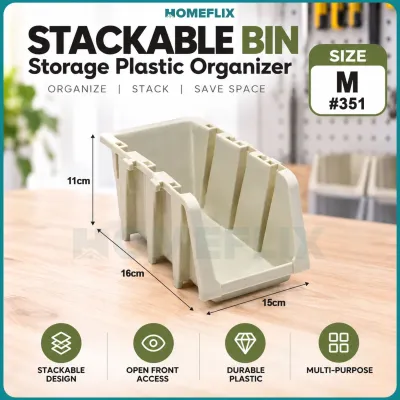
One of the most frequent errors when purchasing a stackable bin organizer is confusing the external dimensions listed on the packaging with the internal usable capacity. Many plastic and acrylic bins feature tapered designs where the bottom of the bin is narrower than the top rim. If you measure only the top opening, you may find that larger items do not fit flat at the bottom of the bin. Always check the manufacturer’s detailed specifications for both top and bottom dimensions to ensure your items will fit inside.
Another common mistake is buying bins that match the exact depth of your shelves. While this might seem like a great way to maximize space, it often prevents cabinet doors or sliding wardrobe doors from closing fully. This is especially true if the bins have protruding handles, decorative lips, or lids that extend slightly beyond the bin’s main body. To prevent this issue and avoid wasting ₱ on unusable organizers, choose bins that are at least two to three centimeters shallower than the actual depth of your shelf.
Lastly, do not ignore the added height of stacked lids, handles, or interlocking lips when calculating your vertical space. When two bins are stacked, they do not always equal the sum of their individual heights; sometimes they nest slightly, reducing the overall height, while other designs with high-profile lids or top handles add extra centimeters. Always look for the “stacked height” specification provided by the manufacturer, or measure the interlocking overlap yourself, to ensure the entire stack will fit comfortably under your cabinet shelves.
Frequently Asked Questions (FAQ)
Do stackable bins need to be the exact same brand to stack securely?
Yes, stackable bins generally need to be from the exact same brand and product line to stack securely. The interlocking features, such as molded grooves, tabs, and lid recesses, are highly proprietary and designed to match specific models. Attempting to stack different brands or mismatched models usually results in an unstable stack that can easily slide, tilt, or collapse under weight. Always check the manufacturer’s specifications for compatibility before mixing different bin styles.
How much clearance should I leave above a stackable bin for easy access?
You should leave at least 5 to 10 centimeters of clearance above a stackable bin if you need to lift off a lid or reach inside from the top. If the vertical clearance is too tight, you will be forced to unstack or completely remove the bins every time you need to retrieve an item. For spaces with very limited vertical clearance, consider using stackable bins with front-opening pull-out drawers or drop-front lids, which require minimal top clearance to access.
Community discussion
Share your experience or ask a question. Comments are reviewed before publication.