
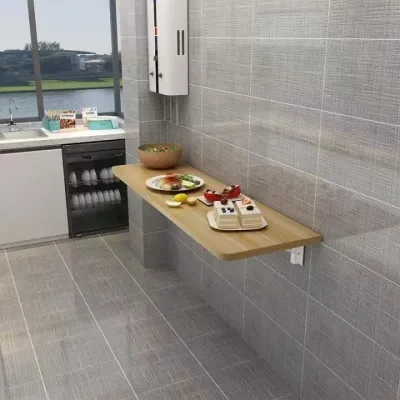
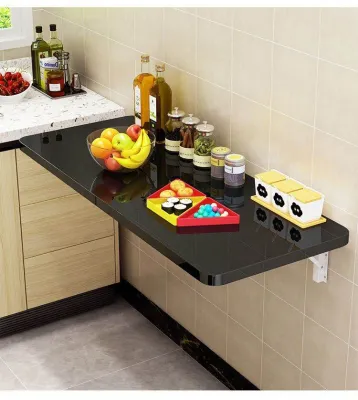
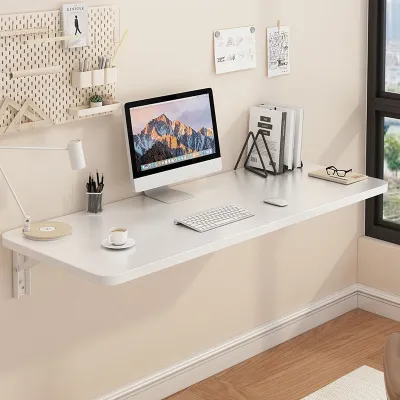
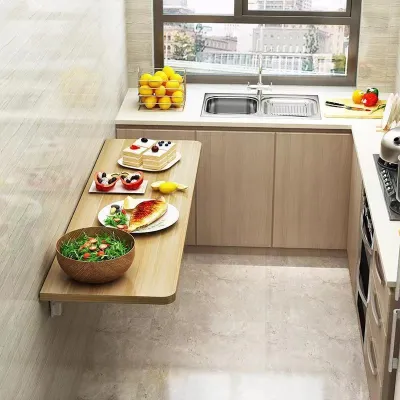
Finding the right furniture for a compact high-rise home requires balancing daily utility with physical space. In a typical urban condominium kitchen, floor area is at a premium, making a traditional dining set impractical. A hanging table wall setup offers a highly efficient alternative, providing a functional surface for dining, food preparation, or remote work without permanently consuming valuable floor space. To find the perfect fit, you must calculate both the physical dimensions of the table and the surrounding clearance zones required for comfortable movement.
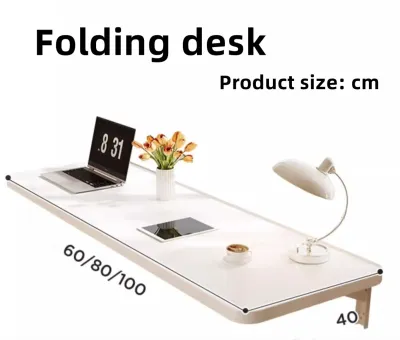
For most small condo kitchens, a wall-mounted table with a depth of 30 to 45 centimeters and a width of 60 to 90 centimeters provides the ideal balance. This size comfortably accommodates one to two diners while keeping the kitchen walkway clear. The exact dimensions depend heavily on your specific layout, the location of your appliances, and how you plan to use the space daily.
Assessing Your Kitchen Space and Clearance
Before browsing online marketplaces or visiting furniture showrooms, you must take precise measurements of your kitchen wall. Start by measuring the continuous flat wall space, noting any obstructions such as light switches, electrical outlets, baseboards, or window frames. In many modern condominiums, utility pipes or electrical conduits run behind specific walls, which can limit drilling locations. You must also account for the height of existing kitchen countertops if you want the table to align visually with your current workspace.
Products mentioned in this guide
Prices are valid at publication and may change. Please refer to the product page for the latest price.
Walkway clearance is the most critical factor in maintaining a functional kitchen layout. A standard hallway or kitchen aisle requires at least 90 centimeters of clear width for a single person to walk comfortably. When a wall-mounted table is fully deployed, it should leave at least 75 centimeters of clearance between the edge of the table and the opposite wall or cabinet. If the table is placed in a high-traffic zone where two people frequently pass each other, aim for a minimum clearance of 90 centimeters to avoid constant physical bottlenecks.
Physical collisions with other furniture and appliances can quickly make a wall-mounted table frustrating to use. Open every cabinet door, drawer, refrigerator door, and oven door fully to map out their swing paths. Your table must be positioned outside these operational zones. Even a minor overlap of five centimeters can prevent you from opening your refrigerator fully or accessing lower kitchen drawers when the table is in use.
Determining the Ideal Table Dimensions
The depth of your hanging table wall unit dictates its primary function. A shallow depth of 30 centimeters is highly space-efficient and works well as a laptop desk, a morning coffee spot, or a simple prep station. However, if you intend to use the table for main meals, you will need a depth of at least 40 to 45 centimeters. This extra depth provides enough space to place standard dinner plates, drinking glasses, and small serving bowls opposite each other without feeling cramped.

Table height is closely tied to your seating preferences and existing furniture. A standard dining table height of 75 centimeters allows you to use conventional dining chairs, which are often more comfortable for long periods. Alternatively, matching the table to counter height (90 centimeters) or bar height (100 to 105 centimeters) creates a seamless transition from your kitchen counters. High tables require bar stools, which have a smaller footprint and can often be tucked completely underneath the table to save space.
Create a physical mockup before purchasing to avoid buying a table that feels overwhelming. Use painter’s tape to outline the proposed table dimensions directly on your kitchen wall and floor. For a more realistic test, tape a flattened cardboard box of the same dimensions to the wall at the intended height. Leave this mockup in place for a few days, walking around it during your daily cooking and cleaning routines to ensure it does not disrupt your natural movement.
Evaluating Folding and Wall-Mounted Designs
When choosing between a fixed wall-mounted table and a folding design, consider your daily routine and how often you host guests. A fixed table is highly stable and can double as a permanent extension of your kitchen countertop. However, it permanently occupies visual and physical space. A drop-leaf or fully folding table, on the other hand, can be collapsed flat against the wall when not in use, instantly opening up the kitchen walkway for easier cleaning and movement.
If you opt for a folding design, pay close attention to the folded profile thickness. Some models protrude up to 10 centimeters from the wall even when collapsed, which can still present a bumping hazard in tight corridors. Look for slim-profile designs that fold down to a thickness of 3 to 5 centimeters. The mounting brackets should also hide neatly beneath the tabletop when closed.
The safety and longevity of a folding table depend heavily on its locking mechanisms and hinge quality. Look for heavy-duty steel or industrial-grade aluminum brackets with spring-loaded locking pins. These mechanisms ensure that the table remains securely locked in the open position and cannot be accidentally knocked down. Avoid flimsy plastic components or thin metal hinges that can warp over time under the weight of daily use.
Installation, Weight Capacity, and Safety Checks
The structural integrity of your wall-mounted table depends entirely on the wall material and the mounting hardware used. Most high-rise condominiums feature concrete walls, hollow concrete blocks, or drywall partitions. Mounting a table to a solid concrete wall requires a hammer drill, masonry drill bits, and heavy-duty plastic or metal expansion anchors. If you are mounting to a drywall partition, you must locate the wooden or metal studs behind the gypsum board and secure the brackets directly into them; relying solely on drywall anchors for a load-bearing table is highly risky.
Always verify the manufacturer’s stated weight capacity before installation, keeping in mind that this rating assumes proper mounting into a solid structure. A standard light-duty folding table may support 15 to 25 kilograms, which is sufficient for plates and laptops. If you plan to use the table as a heavy-duty prep station or if family members tend to lean heavily on the outer edge, look for brackets rated for 50 kilograms or more. Remember to subtract the weight of the tabletop itself from the total capacity to determine the actual usable load.
If you are unfamiliar with structural drilling or lack the necessary tools, hiring a professional installer is highly recommended. Improper installation can lead to severe wall damage, broken dishes, or personal injury if the table collapses. A professional can also help identify hidden utility lines within the wall and ensure the table is perfectly level, which is crucial for preventing items from sliding off the surface.
Common Sizing and Placement Mistakes
One of the most common mistakes is measuring only the folded footprint of the table and ignoring the space required when it is fully deployed. A table may look perfectly unobtrusive when folded flat against the wall, but once opened and paired with chairs, it can completely block the kitchen entrance. Always calculate your space requirements based on the fully extended table plus the depth of the seated diners.
Placing the table too close to active cooking zones or water sources can lead to premature wear and safety hazards. Avoid mounting the table directly adjacent to an induction cooktop or gas range, where high heat, grease splatters, and steam can damage the wood finish or laminate surface. Similarly, keep the table at a safe distance from the kitchen sink to prevent constant water exposure, which can cause composite wood materials to swell and delaminate over time.
Finally, many condo owners forget to plan for chair or stool storage. If you choose a folding table to save space, but have nowhere to store your dining chairs when the table is down, you have not fully solved your space constraint. Opt for folding chairs that can be hung on wall hooks, or choose slim bar stools that can double as extra seating in your living area when the kitchen table is folded away.
Frequently Asked Questions (FAQ)
Can I install a wall-mounted table if I am renting a condo?
Before drilling any holes into your condo walls, you must carefully review your lease agreement and consult your building’s condominium corporation rules. Many rental contracts strictly prohibit drilling into concrete walls or making permanent structural modifications. Some buildings also have strict guidelines regarding drilling depth due to post-tension cables embedded in the concrete slabs. Always obtain written permission from your landlord before proceeding with any installation.
If permanent wall mounting is prohibited, you can explore several non-damaging alternatives. A high-top freestanding bar table with a narrow depth can provide a similar aesthetic and utility without requiring wall anchors. Alternatively, a mobile kitchen cart with a drop-leaf extension can be rolled against the wall when not in use and moved easily when you eventually relocate.
If your landlord permits drilling on the condition that you restore the unit to its original state upon moving out, plan ahead for the repair process. You will need to remove the brackets, fill the drill holes with a high-quality wall putty or concrete filler, sand the surface smooth, and apply a matching coat of paint. Keeping a small container of the original wall paint on hand will make this restoration process much easier when your lease ends.
Community discussion
Share your experience or ask a question. Comments are reviewed before publication.