
Why Aquaflask Authenticity Matters for Your Ber Months Home Refresh
As the cool breeze of the Ber months begins to sweep across the Philippines in late 2026, many households are starting their annual home refreshes and holiday gift planning. Preparing your living space for the festive season often involves upgrading everyday essentials, and premium insulated drinkware has become a staple on dining tables, bedside nightstands, and home office desks. Among the most popular brands in the country, Aquaflask stands out as a highly sought-after companion for keeping beverages icy cold during hot tropical afternoons.
However, this massive popularity has also made the brand a prime target for counterfeiters, flooding local markets and online marketplaces with convincing replicas. For a first-time buyer, navigating these options can be challenging. Investing in a counterfeit bottle does not just mean losing your hard-earned money; it also introduces practical inconveniences and potential health hazards that can disrupt your daily routine.
Fake flasks often fail to provide the vacuum insulation required to prevent external condensation. This lack of temperature control can leave unsightly water rings that damage your wooden tables, sideboards, and other home furniture finishes. Furthermore, these replicas are frequently manufactured using unverified, non-food-grade materials that do not meet strict safety standards. Fortunately, by understanding what physical, packaging, and digital markers to look for, you can confidently verify the authenticity of your purchase before you take your first sip.
Products mentioned in this guide
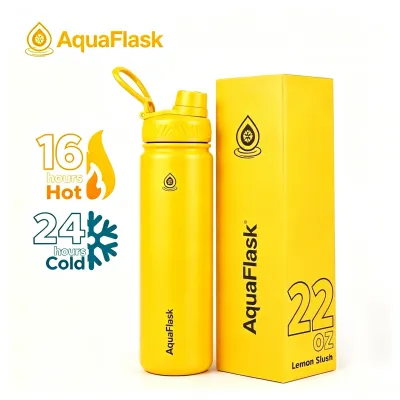
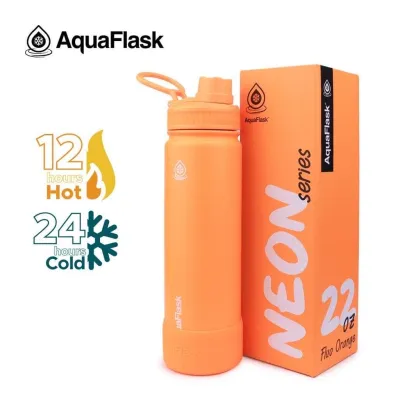
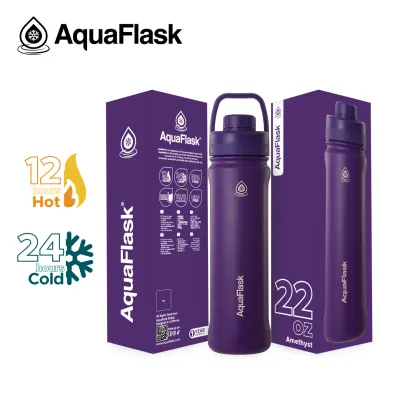
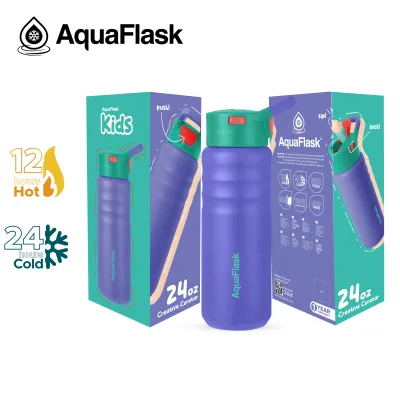
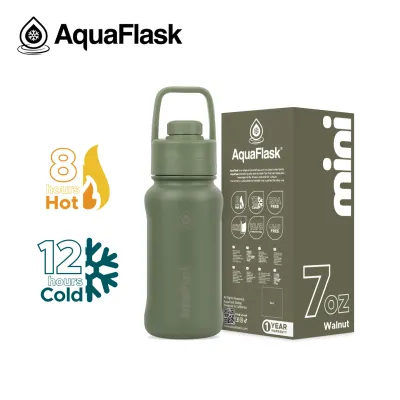
Prices are valid at publication and may change. Please refer to the product page for the latest price.
Inspect the Packaging and Box Quality
Before you even lay eyes on the insulated bottle itself, the external packaging serves as your first line of defense against counterfeit goods. Genuine manufacturers invest heavily in high-quality presentation, which is a detail that replica producers frequently overlook to keep their production costs low. When you receive your package, take a close look at the box’s structural integrity.

An authentic box is crafted from thick, rigid cardboard designed to withstand the rigors of transit without collapsing or bending easily. If the box arrives crushed, flimsy, or feels exceptionally thin, this is an immediate red flag that warrants closer inspection of the contents inside. Checking these external details first can save you the trouble of unboxing a counterfeit item.
Box Printing and Structural Integrity
The visual details printed on the retail box can quickly reveal a counterfeit product. Genuine packaging features crisp, high-resolution printing with vibrant, accurate brand colors and perfectly aligned text. Inspect the brand name, product descriptions, and regulatory labels closely to ensure everything looks professional and consistent.
Counterfeit boxes often exhibit blurred text, color bleeding, or slight misalignments in the graphics. Spelling errors, grammatical mistakes, or unusual font choices are also indicators of a replica. Additionally, check the barcode and product specification labels. Authentic packages feature clean, legible sticker labels detailing the exact model, capacity, and color of the flask inside, whereas fakes often use generic, poorly printed barcodes or omit this specific information entirely.
Accessories and Documentation
Opening the box should reveal a neat arrangement of the flask and its accompanying materials. Genuine products almost always include official documentation, such as a clearly printed user manual, care instructions, and warranty information. These documents are printed on high-quality paper with sharp text and official branding.
In contrast, counterfeiters often omit these items entirely to save on printing costs, or they include low-quality, single-sheet inserts with faded ink and obvious grammatical errors. If your purchase is advertised as a bundle that includes extra accessories like silicone boots, carrying straps, or cleaning brushes, pay close attention to how these accessories are packaged. Authentic accessories are individually wrapped in branded, high-quality plastic or cardboard packaging, while fake bundles often throw loose, generic accessories directly into the box.
Evaluate the Physical Build and Finish
If the packaging passes your initial inspection, the next step is to perform a thorough physical and tactile assessment of the bottle itself. The manufacturing quality of a genuine double-wall vacuum insulated flask is incredibly difficult for counterfeiters to replicate perfectly, as it requires specialized machinery and high-grade materials. By handling the flask and testing its individual components, you can easily identify the sub-par craftsmanship typical of replica products.
Logo Engraving and Alignment
The brand logo is one of the most prominent features of the flask, making it a critical point of inspection. Genuine logos are typically laser-engraved or applied with high-precision printing techniques that yield clean, sharp edges and a consistent depth. If you run your finger over the logo, it should feel smooth and perfectly integrated into the surface.
Counterfeit flasks, on the other hand, often feature logos that are cheaply painted or unevenly stamped onto the metal. If you notice that the logo is slightly crooked, off-center, or if the paint begins to scratch or peel off easily under light pressure from your fingernail, you are likely holding a fake. Additionally, compare the font shape and spacing with official product photos, as counterfeiters frequently use slightly distorted or incorrect typography.
Surface Coating and Base Weight
The exterior finish and physical heft of the bottle are excellent indicators of its authenticity. Genuine flasks feature a premium, textured powder coating that is designed to provide a secure grip, resist sweat, and withstand daily wear and tear. This finish should feel uniform, smooth, and highly durable across the entire body of the bottle.
Replicas often have a rough, uneven, or excessively glossy paint job that chips easily and feels cheap to the touch. Furthermore, pay close attention to the weight and construction of the base. A genuine double-wall vacuum insulated flask has a distinct, solid heft even when empty, reflecting the thick, food-grade stainless steel used in its construction.
If the flask feels unusually light, top-heavy, or thin-walled, it likely lacks the necessary vacuum insulation layer. Flip the bottle over to examine the bottom; authentic models feature a clean, seamless base with clear, centered engraving of the brand name and capacity, whereas fakes may show rough manufacturing seams, off-center text, or a completely blank bottom.
Lid Mechanics and Silicone Seals
The functionality of the lid and its sealing components can tell you a lot about the engineering quality of the product. Begin by twisting the lid on and off several times. The threads on both the bottle neck and the lid should align perfectly, allowing you to screw the lid on smoothly without any grinding, resistance, or cross-threading. If the lid feels loose, leaks when tightened, or requires excessive force to close, the machining is substandard.
Next, inspect the internal silicone sealing ring located inside the lid. This gasket is crucial for maintaining a leak-proof seal and preserving the temperature of your drinks. On a genuine flask, this silicone ring is thick, flexible, entirely odorless, and fits snugly within its designated groove.
Counterfeit flasks often utilize cheap, thin rubber seals that emit a strong, unpleasant chemical or plastic odor. These low-quality seals warp easily, fall out of place, or fail to create a proper vacuum seal. This failure leads to leaks and poor temperature retention, which can quickly ruin nearby belongings or furniture surfaces.
Verify Through Official Brand Channels
In addition to physical inspections, digital verification methods can provide an extra layer of reassurance for first-time buyers. Many premium drinkware brands implement security measures, such as unique serial numbers, batch codes, or authenticity stickers with scratch-off verification codes on their packaging. Locate these codes on your box or the bottom of the flask and cross-reference them through the official brand website or authorized customer service channels.
However, it is important to approach digital verification with a degree of caution. Sophisticated counterfeiters have been known to purchase a single genuine product, copy its valid serial number, and print that exact same code onto thousands of replica bottles. Consequently, a QR code that successfully scans or a serial number that appears valid on a website should not be treated as absolute proof of authenticity. Always combine digital verification with the physical checks of the packaging, logo, finish, and lid mechanics to ensure you are getting the real deal.
Choose Authorized Purchasing Channels
The most effective way to guarantee you are purchasing an authentic product is to buy directly from authorized retail channels. In the Philippines, the brand has established a strong presence with official physical boutiques and authorized dealers located in major shopping malls nationwide. Visiting these physical stores allows you to handle the product in person, verify its quality, and enjoy peace of mind before making a purchase.
If you prefer the convenience of online shopping, always prioritize verified flagship stores on major e-commerce platforms. Look for official brand verification badges, high seller ratings, and positive customer feedback that includes real photos of the delivered products. Be highly skeptical of third-party sellers on online marketplaces offering prices that seem too good to be true.
While authorized retailers may offer seasonal discounts during major shopping events, a brand-new flask priced at ₱200 to ₱300—when the standard retail price is typically between ₱600 and ₱1,200 depending on the size—is almost certainly a counterfeit. Always review the seller’s return policies and the platform’s buyer protection guarantees before completing your transaction.
Steps to Take If You Receive a Suspected Fake
If you have already purchased a flask and suspect it is a counterfeit after performing these checks, it is vital to take immediate action. First and foremost, stop using the bottle for food or beverages. Because counterfeit products do not undergo rigorous quality control or material testing, they may contain industrial-grade metals or plastics that can leach harmful chemicals into your drinks, posing a serious health risk.
Next, document your findings thoroughly. Take clear, high-resolution photographs and videos of the unboxing process, highlighting the specific physical flaws, blurry printing, irregular logos, or poor seals that led to your suspicion. This documentation will serve as crucial evidence for your dispute.
Once you have gathered this evidence, initiate a dispute or return request through the e-commerce platform’s buyer protection program or contact your payment provider. Present your documented evidence clearly to support your claim for a full refund, and report the seller to help protect other unsuspecting buyers in the local community.
Frequently Asked Questions (FAQ)
Can a fake Aquaflask keep drinks cold just like the original?
No, counterfeit flasks typically lack the advanced double-wall vacuum insulation technology found in genuine models. While they may offer basic insulation for a very short period, they cannot maintain cold temperatures for hours. Furthermore, the lack of a proper vacuum barrier often causes the exterior of the bottle to sweat, producing condensation that can ruin your wooden furniture and tabletop finishes.
Is it safe to drink from a suspected counterfeit flask?
It is highly recommended to avoid drinking from any suspected counterfeit flask. Unlike genuine products that use certified food-grade 18/8 stainless steel and BPA-free plastics, replicas are made from unverified materials. These substandard metals and plastics can leach toxic heavy metals or harmful chemicals into your beverages, and poorly designed seals can easily harbor bacteria over time.
Community discussion
Share your experience or ask a question. Comments are reviewed before publication.