
Finding the perfect sofa requires balancing aesthetics with daily utility. When searching for a piece that embodies the Japandi style, this task becomes an exercise in mindful curation. Japandi design is not merely a passing trend; it is a highly intentional fusion of Japanese rustic minimalism and Scandinavian functional comfort. To spot a genuine Japandi sofa, you must look past generic marketing labels and evaluate the core design elements that define this unique philosophy.
At its heart, the Japandi aesthetic bridges two distinct cultural concepts: the Japanese philosophy of wabi-sabi and the Danish concept of hygge. Wabi-sabi teaches us to find beauty in imperfection, natural textures, and the passage of time, which translates to organic materials, unrefined wood grains, and tactile fabrics. Meanwhile, hygge emphasizes warmth, sanctuary, and cozy contentment, ensuring that the furniture remains deeply comfortable and highly practical for daily living. A true Japandi sofa successfully marries these two worlds, offering a serene, comfortable retreat without unnecessary ornamentation.
This design philosophy occupies a very specific visual space. It carefully avoids the cold, clinical austerity of extreme industrial minimalism, which can often feel uninviting and sterile. At the same time, it rejects the heavy, bulky profiles and intricate embellishments of traditional furniture styles. To successfully identify a true Japandi sofa while shopping, you must train your eye to evaluate three essential pillars: the silhouette and structure, the materials and textures, and the color palette.
Products mentioned in this guide
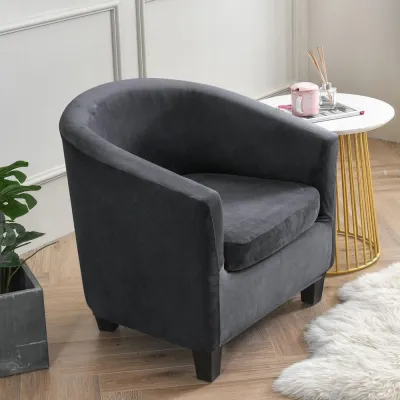

Prices are valid at publication and may change. Please refer to the product page for the latest price.
Silhouette and Structure: Checking Lines and Proportions
The silhouette of a Japandi sofa is immediately recognizable by its low-profile, grounded stance. In traditional Japanese interior design, living close to the floor is a fundamental practice that fosters a sense of stability, calmness, and connection to the earth. When evaluating a sofa’s proportions, look for a relatively low seat height, typically ranging between 35 and 42 centimeters from the floor. This lower center of gravity creates an open, airy feeling in the living room, making the ceilings appear taller and the overall space more expansive.
Alongside a low profile, the seating depth should invite relaxed, comfortable postures. However, this depth must not translate into a bulky or visually heavy appearance. The sofa should maintain a sleek, streamlined frame that balances its generous seating area. Look for clean, straight horizons that provide structural discipline, paired with subtly rounded corners or organic curves that soften the overall look. Avoid sofas with dramatic rolled arms, heavy tufting, decorative nailhead trims, or overly complex modular shapes that create visual clutter.
The base and legs of the sofa play a critical role in establishing this visual lightness. A hallmark of the Japandi style is the use of exposed wooden legs or a slender wooden platform base. These legs are often tapered, angled slightly outward, or shaped into clean cylindrical columns that lift the sofa frame just enough to let light pass underneath. This elevation prevents the piece from looking like a heavy block dropped in the middle of the room. When shopping, avoid sofas with completely skirted bases, hidden legs, or thick, blocky metal supports, as these elements disrupt the delicate balance of Scandinavian airiness and Japanese simplicity.
Materials and Textures: Evaluating Upholstery and Wood Finishes
Tactility is a cornerstone of the Japandi aesthetic, making the choice of upholstery fabric incredibly important. Authentic designs prioritize natural, highly textured fibers that feel pleasant to the touch and age gracefully over time. Look for high-quality linen, cotton, and wool blends when examining product specifications. These fabrics feature visible weaves and subtle variations in texture that celebrate the organic imperfections of the fibers.

While pure linen is highly coveted for its beautiful drape and relaxed, matte appearance, it can be prone to heavy creasing. A blend of linen and cotton often offers the perfect compromise, retaining the natural texture while providing improved durability and structural integrity. Be cautious of cheap, fully synthetic polyester fabrics that attempt to mimic the matte look of natural fibers. In warm, humid environments, these synthetic materials can trap body heat, feel sticky against the skin, and lack the breathability required for true everyday comfort. Always check the fabric composition tag or online specifications to verify the percentage of natural fibers.
The wood elements of the sofa must also be evaluated with care. True Japandi furniture showcases the natural beauty of light to medium-toned hardwoods, such as oak, ash, beech, or warm walnut. The finish applied to these wooden frames or legs should be matte or satin, utilizing natural oils or wax treatments that preserve the wood’s open pores and tactile grain. Avoid high-gloss lacquers, shiny polyurethane coatings, or heavily stained, dark veneers that mask the wood’s natural character and make it look artificial.
In tropical climates like the Philippines, high humidity levels and seasonal temperature shifts require practical material checks. A beautiful wood frame is only as good as its construction and treatment. Before making a purchase, verify that the wood has been properly kiln-dried, a process that minimizes the moisture content within the timber to prevent warping, cracking, or splitting over time. Inspect the joints to ensure they are sturdy and well-crafted, prioritizing traditional woodworking joints like mortise-and-tenon over simple glue and screws. Additionally, ask the retailer or manufacturer about moisture-resistant treatments applied to both the wood and the natural upholstery fibers to prevent the growth of mold and mildew in humid conditions.
Color Palette: Identifying Earthy and Neutral Tones
The color palette of a Japandi sofa is carefully curated to evoke a sense of peace, harmony, and connection to nature. The foundational upholstery colors are warm, earthy neutrals that reflect light softly and blend seamlessly into a minimalist interior. When browsing options, look for shades of oatmeal, soft cream, warm beige, sand, and gentle taupe. These tones carry subtle yellow, brown, or pink undertones that feel cozy and inviting, unlike the cold, blue-toned grays often found in industrial modern design.
While neutrals form the base, subtle, nature-inspired accent colors can also fit beautifully within the Japandi spectrum. These accent tones should always look muted, dusty, or desaturated, as if filtered through a soft morning mist. Acceptable accent colors include soft terracotta, dusty sage green, pale olive, or a quiet, smoky blue. If you choose a sofa in one of these muted shades, ensure it remains the soft focal point of the room rather than a loud, distracting statement piece.
To maintain the calming atmosphere of a Japandi space, there are several colors you should actively avoid. Pure, stark whites can feel clinical, cold, and incredibly difficult to maintain in a busy household. Similarly, dark, heavy charcoal grays or solid blacks can feel too harsh and visually dominant for a serene layout. Highly saturated primary colors—such as bright red, vibrant royal blue, or intense yellow—should be completely rejected, as they disrupt the visual quietness that defines the style.
Finally, pay close attention to the tone consistency between the upholstery fabric and the exposed wood frame. The wood stain and the fabric color should harmonize naturally rather than creating a harsh, high-contrast clash. For example, a warm oatmeal fabric pairs beautifully with the golden, honey-colored undertones of natural oak or ash. Conversely, pairing a cool-toned gray fabric with a highly yellowed wood frame can create a discordant look that detracts from the cohesive, peaceful aesthetic you want to achieve.
The Shopping Checklist: How to Verify Japandi Claims
When you are ready to shop, it is easy to get overwhelmed by the sheer volume of products labeled “Japandi” on e-commerce platforms and in physical showrooms. To ensure you are investing in a high-quality, authentic piece, you must look beyond the product titles and marketing buzzwords. Always scroll down to the detailed specifications sheet to verify the exact materials used. Look for terms like “solid oak frame,” “kiln-dried timber,” and high percentages of natural fibers like linen or cotton. If a product description is vague or relies entirely on generic terms like “wood-like finish” or “breathable tech fabric,” it is likely a synthetic imitation that will not offer the same longevity or tactile beauty.
If you are shopping in a physical store, perform a thorough “touch and sit” test. Japandi design prioritizes functional, supportive comfort over an overly plush, sinking sensation. When you sit on the sofa, you should feel a firm, supportive core that holds your posture comfortably, topped with a softer comfort layer that cushions your body. This is typically achieved using high-density polyurethane foam cores wrapped in a layer of natural down, feathers, or soft polyester fiberfill. Avoid sofas that are so soft that you sink deep into the cushions, as this lack of support can lead to discomfort over time and causes the fabric to stretch and wrinkle excessively, ruining the clean lines of the silhouette.
Do not hesitate to ask the sales staff or online customer support detailed questions before making your final decision. Inquire about the fabric’s Martindale rub count, which measures durability; a rating of 15,000 to 20,000 rubs is generally suitable for regular residential use, while 25,000 or more is ideal for busy households. Ask about the assembly requirements and whether the sofa is delivered fully assembled or in flat-pack form. Crucially, always verify the finished dimensions of the sofa against your available living space, ensuring you leave at least 30 to 50 centimeters of clearance around the piece to maintain an open, uncluttered flow. Additionally, measure your doorways, hallways, stairwells, and lift access to guarantee the sofa can be safely delivered and installed in your home without damaging the piece or your property.
Frequently Asked Questions (FAQ)
Can a sectional sofa fit the Japandi style?
Yes, a sectional sofa can absolutely fit the Japandi style, provided it adheres to the core design principles of low-profile structures and clean lines. When shopping for a sectional, look for modular configurations that sit low to the ground and feature a streamlined, block-like form without looking excessively bulky. Opt for designs with exposed wooden feet or a thin wooden base platform to maintain visual lightness. Avoid overstuffed, puffy sectionals with massive, integrated chaise lounges or reclining mechanisms, as these heavy shapes disrupt the minimalist flow and open space essential to a Japandi living room.
How do I maintain natural linen and wood on a Japandi sofa?
Maintaining the natural materials of a Japandi sofa requires regular, low-risk care to preserve their organic beauty. Vacuum the upholstery weekly using a soft brush attachment to remove dust and prevent dirt from settling into the fabric weave. To protect both the natural wood frame and the fabric fibers from fading, cracking, or warping, position the sofa away from direct, harsh sunlight and air conditioning vents.
Always check the manufacturer’s specific cleaning codes (usually labeled as W, S, or WS) before attempting to spot-clean any spills on the fabric. For the exposed wood elements, wipe them down periodically with a dry or slightly damp microfiber cloth, and use a recommended natural wood oil or wax conditioner once or twice a year to keep the timber hydrated. If a deep stain occurs or if you notice structural cracking in the wood, stop immediately and consult a professional upholstery cleaner or furniture repair specialist to avoid causing permanent damage.
Community discussion
Share your experience or ask a question. Comments are reviewed before publication.