
A genuine “duyan heavy duty original” is defined by heavy-weight, high-density fabrics, certified load-tested hardware, and reinforced multi-row stitching that can withstand the demanding tropical climate of the Philippines. In online marketplaces, however, low-quality imitations frequently hijack these search terms, using deceptive photos to mask thin materials and weak suspension lines. Spotting a genuine heavy-duty hammock requires looking past promotional buzzwords and inspecting physical specifications like fabric denier, rope construction, and hardware ratings.
The Safety Risks of Low-Quality Duyan Copies
The appeal of a cheap hammock often fades when subjected to real-world stress. In the Philippines, a duyan is more than just a decorative garden accessory; it is a highly utilized piece of furniture for daily relaxation, family gatherings, and outdoor sleeping. When a substandard copy fails, the consequences are immediate and physically dangerous. A sudden fabric tear or a snapped suspension rope can drop an occupant from heights of several feet directly onto hard patio tiles, wooden decking, or rocky garden soil, leading to severe bruises, sprains, or spinal injuries.
Many online sellers exploit “heavy-duty” as a generic marketing label rather than a verified structural rating. Without strict manufacturing standards, these low-quality copies are constructed from cheap polyester blends or thin nylon that degrades rapidly when exposed to intense UV radiation and high humidity. In tropical environments, moisture retention in poor-quality fabrics accelerates mold growth and weakens the fibers, drastically reducing the actual weight capacity far below what the seller claims. Verifying the structural integrity of a hammock before installation is a critical safety measure for any household.
Products mentioned in this guide
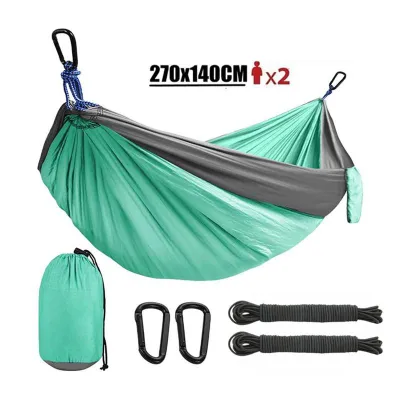
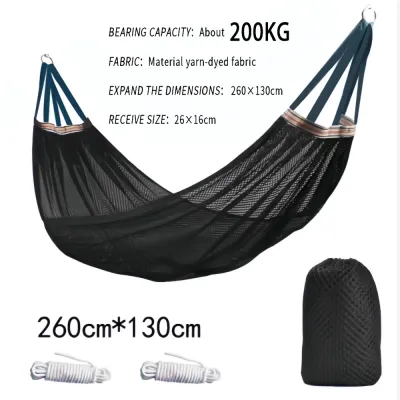
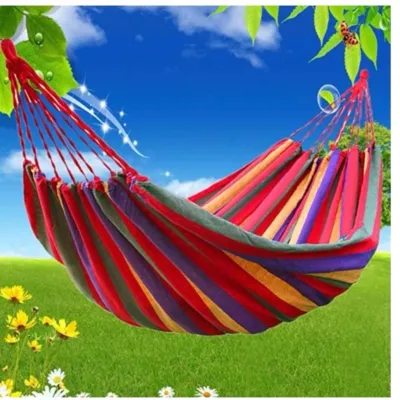
Prices are valid at publication and may change. Please refer to the product page for the latest price.
Key Features of an Original Heavy-Duty Duyan
To identify a genuine heavy-duty duyan, buyers must evaluate the specific materials and engineering choices that contribute to its load-bearing capacity. High-quality manufacturers do not rely on vague promises; they provide detailed material specifications and visible indicators of robust construction.

Fabric and Weave Density
An authentic heavy-duty duyan utilizes dense, tightly woven fabrics designed to distribute weight evenly and resist tearing. When examining the fabric, look for a high denier rating—typically 210D or higher for nylon, or a heavy-weight cotton-polyester canvas blend exceeding 300 grams per square meter (GSM). Hold the fabric up to the light; a genuine heavy-duty weave will allow very little light to pass through, indicating a tight thread count that prevents individual fibers from shifting under tension.
Inspect the stitching along the edges and at the main stress points where the fabric connects to the suspension system. Original models feature multi-row interlocking stitching (often triple or quadruple stitched) and reinforced fabric patches at the anchor loops. These double-layered sections prevent the fabric from stretching unevenly or fraying over time, especially when exposed to the moisture and heat typical of Philippine outdoor spaces.
Hardware and Suspension Components
The suspension system is the most critical safety link in any hammock setup. A genuine heavy-duty duyan will feature certified hardware, such as solid steel carabiners or forged aluminum climbing-grade carabiners, which should have smooth gates and secure locking mechanisms. Avoid any product that includes thin, bent wire hooks or lightweight aluminum clips that can easily deform under static loads.
The ropes must consist of thick, tightly braided nylon or polyester utility cords, rather than loose, single-twist cotton strands that unravel easily. If the duyan includes spreader bars to keep the fabric flat, these bars should be crafted from dense, solid hardwoods or thick-walled, powder-coated metal tubes. Inspect the spreader bars to ensure they have a smooth, splinter-free finish, deep and secure guide grooves for the ropes, and heavy-duty metal grommets lining the rope holes to prevent the cord from chafing against the wood or metal.
Red Flags: Spotting Fake or Low-Quality Duyan Listings
Deceptive online listings often use stolen product images from premium brands while shipping inferior replicas. Recognizing the warning signs on product pages and during unboxing can prevent a hazardous purchase.
Vague or Exaggerated Weight Limits
Be highly skeptical of listings that claim extreme weight capacities—such as 300 to 500 kilograms—without providing any technical justification or proof of load testing. Genuine manufacturers will specify the testing standards used or detail the exact material properties that allow for such capacities. If a seller boasts a massive weight limit but fails to mention the fabric thickness, rope material, or hardware specifications, the rating is likely fabricated.
Furthermore, look closely at the product images. If a listing claims a multi-person capacity but shows a single-width hammock with narrow dimensions (such as less than 150 centimeters wide), it is physically unsuitable for multiple adults regardless of the claimed weight limit.
Flimsy Materials and Poor Construction
Once the product arrives, several physical red flags indicate a low-quality copy. Thin, translucent suspension ropes that feel stiff or plastic-like are a major indicator of cheap synthetic materials that degrade quickly under tension and sunlight. Similarly, lightweight, hollow metal clips or plastic adjustment buckles are entirely unsuitable for supporting human weight and should never be used.
Examine the seams for uneven, crooked, or single-line stitching, as well as loose threads hanging from the edges. These defects indicate poor quality control and a high risk of seam failure. Another common warning sign is a strong, harsh chemical odor emitting from the package. This smell often points to cheap chemical dyes or low-grade synthetic coatings that have not been properly cured, which can irritate the skin and degrade the fabric fibers over time. Spreader bars that exhibit cracks, knots in critical load-bearing areas, or rough, unpolished surfaces are also immediate signs of substandard manufacturing.
How to Verify Your Duyan Before and After Delivery
Protecting your home and family requires a systematic approach to verifying a new duyan before anyone climbs inside. Do not trust the product blindly out of the box; instead, perform these practical checks to ensure its structural integrity.
First, examine the packaging and the product itself for brand authenticity tags, care labels, and manufacturer specifications. Genuine heavy-duty brands sew durable, weather-resistant labels directly into the seam of the hammock, detailing the brand name, fiber content, maximum weight capacity, and specific care instructions. The absence of these labels, or the presence of generic tags with spelling errors and vague warnings, is a strong indicator of a counterfeit product.
Before allowing anyone to use the hammock, conduct a safe, low-to-the-ground static weight test. Hang the duyan between two secure, verified anchor points (such as solid wooden posts or concrete pillars) just a few inches above a soft surface. Gradually load the hammock with heavy, non-living weights, such as sandbags, sealed water containers, or heavy books, up to the manufacturer’s recommended limit. Leave the weight in place for several hours while observing the setup from a safe distance.
After removing the test weights, physically inspect all critical stress points. Check the knots, rope splices, and hardware connections for any signs of slippage, fraying, or metal fatigue. Look closely at the fabric seams to ensure the stitching has not stretched out, parted, or begun to unravel. If any component shows signs of deformation or damage during this static test, the product is unsafe for human use.
Where to Buy Authentic Heavy-Duty Hammocks Safely
Navigating online marketplaces requires vigilance to avoid counterfeit sellers who copy listings from legitimate brands. To ensure you receive an original, high-performance product, prioritize purchasing directly from official brand stores, authorized outdoor gear retailers, or reputable local artisans who specialize in hand-woven hammocks with verifiable, long-term customer reviews.
Always check the seller’s return policies, warranty offerings, and the e-commerce platform’s buyer protection guarantees before completing your purchase. A reputable manufacturer of heavy-duty outdoor gear will typically offer a clear warranty against manufacturing defects, reflecting confidence in their product’s durability.
Be wary of prices that seem too good to be true. In the Philippine market, a genuine, high-quality heavy-duty duyan made from premium materials and load-tested hardware generally costs upwards of ₱1,500 to ₱4,000. If a listing claims to offer an “original heavy-duty” product for a fraction of that price—such as ₱150 to ₱300—it is almost certainly a low-quality copy made from substandard materials that compromise your safety.
What to Do If You Receive a Substandard Duyan
If your physical inspection or static weight test reveals that the duyan is a low-quality imitation or possesses manufacturing defects, take immediate action to secure a refund and prevent accidents.
Document all evidence of poor quality immediately upon unboxing. Take clear, high-resolution photos and videos of crooked stitching, frayed ropes, flimsy hardware, or any damage that occurred during the static weight test. Keep the original packaging, shipping labels, and invoices intact, as these are crucial for proving your case.
Submit a dispute through the e-commerce platform’s buyer protection program right away, uploading your photo and video evidence to demonstrate that the product is counterfeit, defective, or not as described. Most major platforms in the Philippines have strict policies against counterfeit goods and will facilitate a return or refund if you provide clear proof of substandard quality.
Most importantly, do not attempt to use or repair a compromised or suspicious duyan, even temporarily. A weak seam or a fractured spreader bar cannot be reliably fixed with household thread or tape, and attempting to use a damaged hammock poses a severe risk of injury.
Frequently Asked Questions (FAQ)
Can I wash a heavy-duty duyan in a washing machine?
Before attempting to wash your duyan, always check the manufacturer’s care label for specific instructions. If the label permits machine washing, you must remove all metal hardware, carabiners, and spreader bars first to prevent damage to both the hammock and your washing machine. To protect the structural integrity of the weave and prevent the suspension ropes from tangling, place the hammock inside a large mesh laundry bag, use a gentle cycle with cold water, and apply a mild detergent. For many heavy-duty models, hand-washing or spot-cleaning with a soft brush and mild soap is highly recommended to preserve the reinforced seams and specialized fabric coatings.
Does a heavier duyan always mean it is heavy-duty?
No, the overall weight of a hammock is not a reliable indicator of its quality or weight capacity. While some heavy-duty models use thick canvas or dense weaves that add weight, low-quality manufacturers can also produce heavy hammocks using cheap, coarse fibers that lack tensile strength. True heavy-duty performance depends on the quality of the materials—such as high-tenacity nylon or specialized polyester blends—combined with precise weave density, reinforced stitching patterns, and certified load-bearing hardware. A lightweight, high-performance camping duyan made from premium parachute nylon can easily outperform and outlast a heavier, poorly constructed cotton copy.
Community discussion
Share your experience or ask a question. Comments are reviewed before publication.