
Integrating a large, multi-functional piece of furniture like the Donmis oversized sofa bed into a minimalist Japandi living room requires a deliberate balance of visual weight, natural textures, and open space. While Japandi design emphasizes clean lines and airy simplicity, a bulky sofa bed can easily dominate a room if not styled with intention. By choosing earthy, low-contrast color palettes, pairing the sofa with low-profile furniture, and maintaining clear pathways, you can create a serene, functional sanctuary that feels both cozy and spacious.
To achieve this balance, every design choice around the sofa bed must serve a purpose. From the breathability of the textiles to the placement of natural lighting, styling a large piece of furniture is about creating harmony between Scandinavian comfort and Japanese minimalism.
Core Principles of Japandi Styling for Bulky Furniture
Japandi style is the elegant fusion of Japanese minimalism (wabi-sabi) and Scandinavian warmth (hygge). This design philosophy relies heavily on simplicity, natural materials, and functional beauty. When introducing a large, heavy item like an oversized sofa bed into this environment, the primary challenge is managing its visual weight so it does not crowd the room.
Products mentioned in this guide


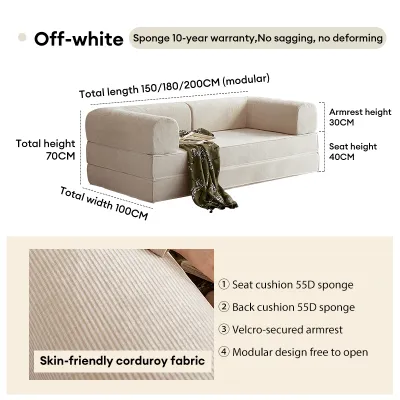

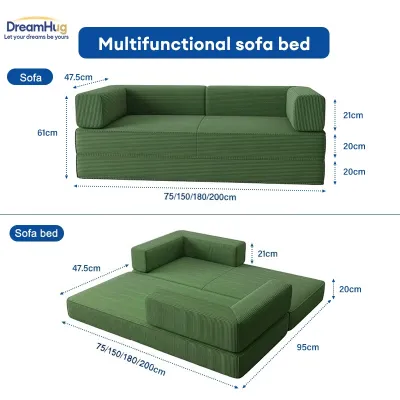


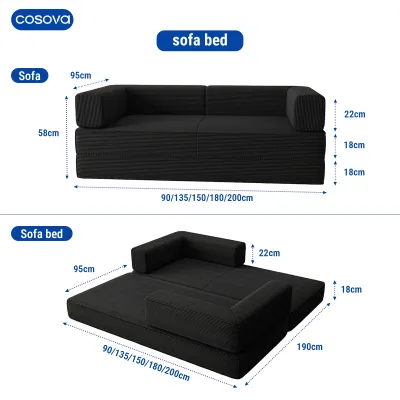
Prices are valid at publication and may change. Please refer to the product page for the latest price.
To counterbalance a bulky sofa, you must first establish the right baseline conditions in your living room. Maximizing natural light is essential; keep windows unobstructed by replacing heavy, dark drapery with sheer, light-filtering linen panels. This allows soft light to flood the space, making the entire room feel larger and more open.
Uncluttered floors are another critical element of the Japandi aesthetic. The more visible floor space you have, the lighter the room will feel, which helps offset the solid footprint of a large sofa bed. Keeping the area directly beneath and around the sofa clear of stray items creates an immediate sense of calm.
In tropical climates where humidity is a constant factor, spatial planning also serves a practical purpose. Avoid pushing a large fabric sofa bed completely flush against a wall. Leaving a small gap of a few centimeters allows air to circulate freely behind the frame, preventing moisture buildup and protecting both your furniture and your walls from dampness.
Color Palettes and Textile Choices
Color is one of the most effective tools for softening the presence of a large piece of furniture. To prevent the sofa bed from looking like a massive block in the center of your room, opt for neutral, earthy base colors. Warm off-whites, soft sand, muted greys, and gentle olive tones help the sofa blend seamlessly into the surrounding decor.

Avoid high-contrast patterns, bold geometric prints, or overly bright accent colors. These elements draw too much attention to the sofa’s size and disrupt the quiet, meditative atmosphere of a Japandi space. Instead, rely on solid, muted tones that promote relaxation and visual continuity.
To add depth without adding clutter, introduce rich, natural textures through your textile choices. For tropical environments, highly breathable fabrics are ideal. Linen, lightweight cotton, and textured canvas are excellent options for slipcovers, throw blankets, and cushion covers because they handle humidity well and feel cool against the skin.
When selecting throw pillows, focus on quality and texture rather than quantity. A pile of a dozen mismatched cushions will quickly make an oversized sofa look messy. Instead, choose three or four well-filled cushions in varying sizes, using fabrics like slub cotton or waffle-weave linen in complementary, earthy shades.
Spatial Balance and Surrounding Furniture
Maintaining proper proportions around an oversized sofa bed requires careful furniture selection and layout planning. Before finalizing your room arrangement, always verify the finished dimensions of your sofa bed, ensuring you have adequate clearance through doorways and hallways during delivery.
To keep the room’s sightline low and grounded, pair the large sofa bed with low-profile surrounding furniture. A low-slung wooden coffee table or a simple, minimalist side table helps maintain a horizontal flow, making the ceiling feel higher and the room more spacious.
Embrace the concept of negative space by leaving areas of your living room intentionally empty. Avoid the temptation to fill every corner with accent chairs, bookshelves, or storage units. Giving the sofa bed breathing room on either side emphasizes a clean, minimalist layout and prevents a cramped appearance.
Because a sofa bed is designed to expand, you must plan your layout for both its seated and sleeping configurations. Ensure there is a clear, unobstructed walkway of at least 60 to 80 centimeters around the bed when it is fully extended. This allows for comfortable movement throughout the night without bumping into other pieces.
To make transitioning the sofa bed easier, choose lightweight, mobile accent furniture. A small rattan stool or a nesting coffee table can be easily lifted and set aside when it is time to open the bed, keeping the daily transformation simple and stress-free.
Accessories, Lighting, and Natural Elements
Decorating a Japandi space requires a strict “less is more” approach. Rather than filling shelves with mass-produced decor, select a few intentional, handcrafted pieces that showcase natural materials and simple craftsmanship.
Lighting is crucial for creating a warm, inviting ambiance around a large seating area. Avoid harsh, direct overhead lights that cast cold shadows. Instead, use layered, warm-toned artificial lighting, such as a paper lantern floor lamp or a simple wooden table lamp with a fabric shade to diffuse light gently in the evening.
Incorporate live plants to bring a sense of nature indoors, which is a cornerstone of both Japanese and Scandinavian design. Choose plants with simple, clean, architectural leaves—such as a snake plant, a peace lily, or a slender parlor palm. Place them in natural ceramic, terracotta, or woven seagrass planters to reinforce the organic aesthetic.
Limit decorative objects on your coffee table or shelves to just one or two focal points. A single, beautifully shaped ceramic vase or a hand-carved wooden bowl is far more impactful than a collection of small trinkets. This keeps the visual focus on the beauty of raw materials and clean design lines.
Maintaining the Minimalist Aesthetic Daily
Keeping a living room looking intentionally styled requires consistent daily habits, especially when dealing with a multi-functional, oversized piece of furniture. Because of its large surface area, a sofa bed can quickly become a landing pad for daily clutter like bags, mail, and jackets.
Establish a dedicated storage spot near your entryway for personal items so they do not end up on the sofa. Keeping the seating surface clear of temporary clutter is the easiest way to preserve the calm, minimalist feel of your living space.
If the sofa bed is used frequently for sleeping, create a quick morning routine to fold it back into seating mode and store the bedding. Leaving sheets and pillows exposed during the day detracts from the structured, clean lines of a Japandi living room.
Regular fabric care is also essential for maintaining the fresh, textured look of natural materials. Vacuum the upholstery weekly using a soft brush attachment to remove dust and fibers, and gently dust any exposed wooden legs or frame components with a dry microfiber cloth.
In humid tropical climates, cushions can trap moisture and lose their shape over time. Rotate and fluff the cushions regularly to ensure even wear and to allow air to circulate through the fibers, keeping your oversized sofa bed looking plump, clean, and inviting for years to come.
Frequently Asked Questions (FAQ)
Can I use a dark-colored Donmis oversized sofa bed in a Japandi room?
Yes, a dark-colored sofa bed can serve as a beautiful, grounding focal point in a Japandi room, provided you balance its visual weight. Frame the dark sofa against light-colored, neutral walls, such as soft beige, warm off-white, or light grey. To soften the dark upholstery, layer it with light-toned textiles, such as a cream linen throw blanket or sand-colored cushions. Additionally, ensure the room receives plenty of natural light during the day, and use warm, layered artificial lighting at night to prevent the dark piece from making the space feel small or gloomy.
How do I hide bedding when the sofa bed is in seating mode?
To maintain a clean, uncluttered Japandi aesthetic, store all pillows, sheets, and blankets completely out of sight when the sofa bed is in seating mode. If your sofa bed does not have built-in under-seat storage, utilize nearby minimalist storage solutions. A large, woven seagrass or rattan basket with a lid placed in a corner works beautifully as an organic design element. Alternatively, you can use a simple wooden storage bench against an adjacent wall, or select a high-quality, neutral-toned linen duvet cover that can be neatly folded and left at the foot of the sofa to double as a decorative throw blanket during the day.
Community discussion
Share your experience or ask a question. Comments are reviewed before publication.