
To style a local-material outdoor coffee table set for a modern Filipino aesthetic, you must balance the rich, organic textures of indigenous materials with the clean lines and minimalist principles of contemporary design. This approach moves away from heavy, traditional setups, focusing instead on creating an airy, breathable transition between your indoor living room and your outdoor patio or veranda. By layering weather-resistant textiles in earthy tones, integrating native greenery, and selecting functional, low-profile accessories, you can transform your outdoor space into a sophisticated sanctuary that honors local craftsmanship while embracing modern comfort.
Understand the Core Elements of Modern Filipino Outdoor Design
Modern Filipino outdoor design is defined by its ability to harmonize natural, tactile elements with clean, uncomplicated structures. Unlike traditional rustic styles that often feature heavy, dark hardwoods and intricate, ornate carvings, the modern aesthetic prioritizes minimalism and functional elegance. The focus shifts toward celebrating the raw beauty of local materials—such as rattan, bamboo, abaca, and local stone—by presenting them in sleek, low-profile silhouettes. This design philosophy ensures that the furniture does not overwhelm the space, but rather complements the surrounding environment.
Color plays a pivotal role in establishing this contemporary look. Instead of dark, heavy varnishes, the modern Filipino palette relies on warm neutrals, soft creams, sandy beiges, and muted earth tones. These shades reflect the natural landscape of the Philippines, creating a soothing visual flow that feels both grounded and sophisticated. By keeping the base colors neutral, the unique textures of the woven fibers and wood grains become the focal points of the design.
Products mentioned in this guide
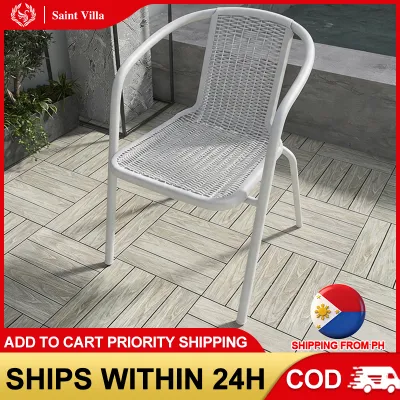
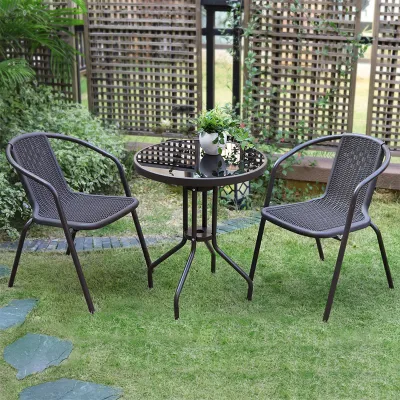
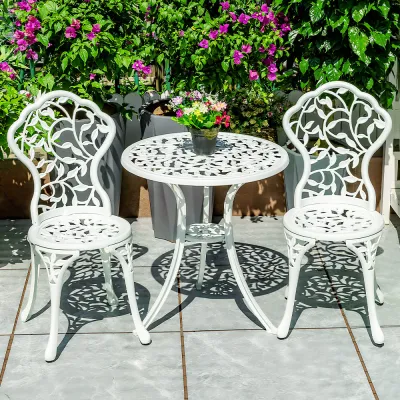
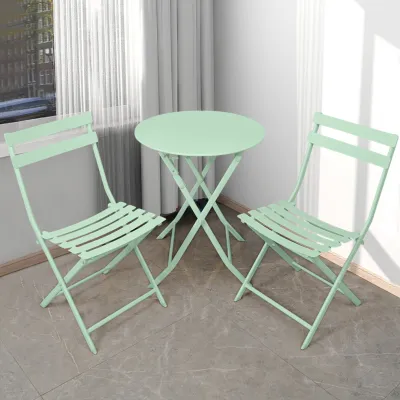
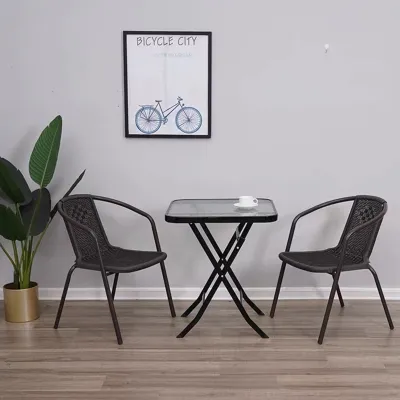
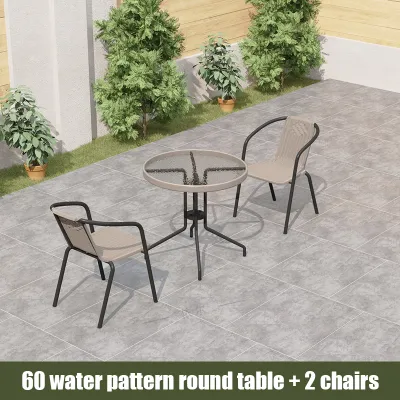

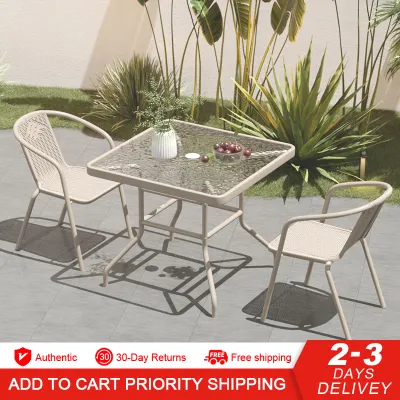
Prices are valid at publication and may change. Please refer to the product page for the latest price.
Another essential characteristic of this style is the emphasis on indoor-outdoor flow. In tropical climates, living spaces are often designed to open up to the outdoors, allowing air to circulate freely and maximizing natural light. Your outdoor coffee table set should serve as a natural extension of your indoor living area. By maintaining a consistent design language, color scheme, and floor level between the two zones, you create an expansive, breathable environment that invites relaxation and seamless entertaining.
Evaluate Your Furniture and Space Before Styling
Before introducing decorative elements, it is crucial to verify the physical suitability and spatial requirements of your outdoor coffee table set. Begin by checking the manufacturer’s labels, specifications, and care instructions. Not all local materials are treated equally; some are rated for fully exposed outdoor areas, while others are strictly intended for covered patios or semi-outdoor verandas. Understanding these material limitations prevents premature weathering and ensures your styling efforts are built on a durable foundation.

Next, measure your available outdoor space to guarantee proper clearance and comfortable traffic flow. An outdoor coffee table set should anchor the seating area without crowding it. Ideally, you should maintain a clearance of at least 60 to 90 centimeters between the table and surrounding chairs or sofas. This spacing allows guests to move freely without feeling cramped. Additionally, consider the delivery and installation process by measuring doorways, hallways, and lift access to ensure the furniture can be easily transported to its final destination.
Finally, evaluate the environmental exposure of your styling area. Take note of how much direct sunlight, wind, and rain the space receives throughout the day. Intense tropical sun can fade fabrics and dry out natural fibers, while heavy downpours can lead to moisture accumulation and mold. If your patio or garden lacks natural shade, consider installing a durable umbrella, a pergola, or high-quality protective covers. Shielding your furniture from extreme weather elements preserves both the structural integrity of the materials and the aesthetic appeal of your decor.
Choose Textiles and Accessories That Complement Local Materials
Selecting the right textiles and accessories is key to softening the raw texture of local-material furniture. When choosing fabrics for outdoor cushions and throw pillows, prioritize high-performance materials designed to withstand tropical humidity. Solution-dyed acrylics and outdoor-grade polyesters woven to mimic natural linen or canvas are excellent choices. These fabrics offer the soft, inviting feel of indoor textiles while providing essential resistance to UV rays, moisture, and mildew.
To achieve a modern Filipino look, guide your color selection using a refined, nature-inspired palette. Focus on warm neutrals like terracotta, clay, and sand as your base, then introduce accents of soft forest green, deep olive, or muted charcoal. These colors harmonize beautifully with the natural golden tones of rattan and bamboo. Avoid overly bright, neon, or highly saturated tropical prints, which can quickly make the space look dated or cluttered. Instead, opt for solid colors or subtle, geometric patterns that respect the minimalist ethos.
When it comes to accessories, choose items that celebrate local craftsmanship without overcrowding the coffee table. A single, well-placed carved wood tray can corral smaller items while showcasing beautiful grain patterns. Matte ceramic vases in organic shapes add a touch of modern sophistication, especially when filled with dried botanicals or simple green fronds. Woven baskets made from local fibers can serve as stylish storage for extra throws, keeping the space organized and visually cohesive.
Arrange and Layer the Space for a Cohesive Look
Executing the physical arrangement of your outdoor living area requires a thoughtful approach to balance and proportion. Position your outdoor coffee table set so that it serves as the central anchor of the seating arrangement. The table should be easily accessible from every seat, typically placed about 35 to 45 centimeters away from the surrounding chairs or modular sofas. This distance is close enough for resting drinks or books, yet spacious enough to allow comfortable legroom.
To soften the hard surfaces of concrete patios, tiled floors, or wooden decking, integrate native potted plants into the layout. Plants like the traveler’s palm, bird’s nest fern, or monstera add vibrant green tones and vertical interest to the space. Grouping plants of varying heights in simple, matte-finished planters creates a lush, layered backdrop that reinforces the tropical aesthetic. Position larger plants in corners to frame the seating area, and place smaller potted herbs or succulents on side tables for a touch of life.
Layering your lighting is the final step in creating an inviting evening ambiance. Avoid harsh, bright overhead lights that can ruin the relaxed atmosphere. Instead, opt for warm-toned outdoor fixtures, such as woven bamboo or rattan pendant lights suspended over the coffee table. Complement these with subtle pathway lights, low-voltage LED strip lighting under seating bases, or solar-powered lanterns placed on the floor. This combination of light sources casts soft, warm shadows, extending the usability of your outdoor sanctuary long after the sun goes down.
Protect the Materials and Maintain the Aesthetic
To preserve the beauty of your styled outdoor space, establish a practical maintenance routine tailored to your furniture’s specific materials. Always refer to the manufacturer’s cleaning protocols to avoid damaging natural finishes. For most woven local materials, a gentle dusting with a soft-bristled brush followed by a wipe-down with a damp cloth is sufficient. Avoid using high-pressure washers, abrasive scrubbing pads, or harsh chemical cleaners, as these can strip away protective sealants and weaken the fibers.
Plan for seasonal and weather-driven adjustments to protect your styling elements from the elements. During periods of heavy rain or typhoons, store outdoor cushions, throws, and delicate decorative accessories in weatherproof deck boxes or bring them indoors. If your furniture is made of natural wood or bamboo, consider applying an approved protective sealant or oil annually, as recommended by the manufacturer, to maintain its resistance to moisture and UV damage.
Finally, know when to stop DIY maintenance and consult a qualified professional. While regular cleaning and minor touch-ups are easy to manage, structural issues require expert attention. If you notice deep cracks in timber frames, severe unraveling of woven joints, or signs of wood-boring insect damage, avoid temporary quick-fixes. Consulting a professional furniture restorer or reaching out to the manufacturer ensures that structural repairs are handled safely, preserving the longevity and safety of your outdoor coffee table set.
Frequently Asked Questions (FAQ)
Can I mix different local materials in one outdoor seating area?
Yes, mixing different local materials can create a beautifully textured and layered look, provided you maintain visual harmony. To prevent the space from feeling cluttered, use a unifying color palette or consistent wood tones to tie the different pieces together. For instance, you can pair a rattan coffee table with wooden lounge chairs if they share similar warm undertones. Limit the variety to two or three distinct textures, and use neutral cushions to ground the arrangement.
How do I protect natural fiber decor from outdoor humidity?
Natural fiber decor, such as abaca rugs or seagrass baskets, is highly sensitive to moisture and humidity. To protect these items, always check the manufacturer’s guidelines to verify if they are rated for outdoor environments. It is best to use them in covered patio areas rather than fully exposed spaces. Additionally, store these accessories in airtight, weatherproof storage bins when they are not in use, or bring them indoors during highly humid nights and rainy seasons to prevent mold growth.
Community discussion
Share your experience or ask a question. Comments are reviewed before publication.