
Achieving a minimalist Japandi look with a rattan sofa sala set requires balancing the warm, rustic simplicity of Japanese design with the clean, functional elegance of Scandinavian interiors. Rattan, a traditional and highly durable material in tropical homes, serves as an excellent foundation for this hybrid style because of its organic texture and earthy warmth. By stripping away excess ornamentation, focusing on a muted color palette, and curating thoughtful, low-profile accessories, you can transform a classic rattan sala set into a serene, modern sanctuary that feels both grounded and airy.
Understanding the Japandi Aesthetic for Rattan Furniture
Japandi design is the harmonious marriage of two distinct yet deeply compatible philosophies: Scandinavian hygge, which emphasizes cozy comfort and functionality, and Japanese wabi-sabi, which finds beauty in imperfection, natural materials, and simplicity. Both styles prioritize a deep connection to nature, clean lines, and a clutter-free environment. Rattan naturally bridges these two worlds. Its woven texture introduces the organic warmth central to wabi-sabi, while its lightweight structural properties align perfectly with the practical, airy nature of Scandinavian design.
To successfully integrate a rattan sofa sala set into a Japandi living room, you must first evaluate the design of your existing furniture. Look for frames that feature clean, geometric lines, gentle curves, and structural simplicity. The ideal Japandi-style rattan piece avoids heavy, bulky silhouettes in favor of open weaves and slender frames that allow light and air to pass through.
Products mentioned in this guide
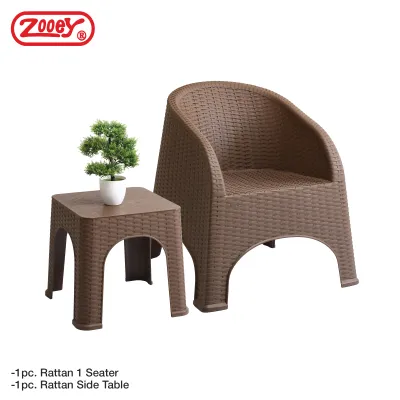



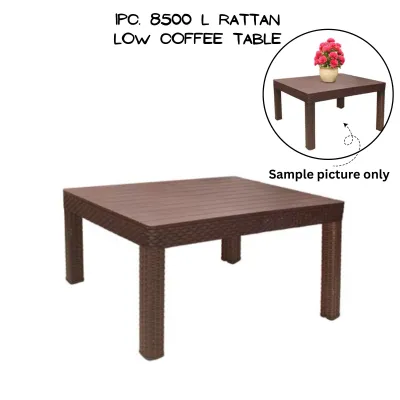

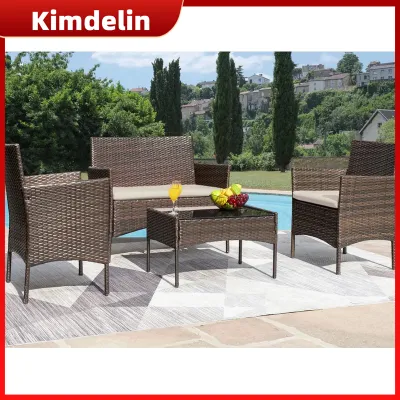
Prices are valid at publication and may change. Please refer to the product page for the latest price.
Conversely, you should identify and minimize elements that create visual clutter. Ornate carvings, glossy synthetic varnishes, or overly intricate, dense weaving patterns can conflict with the minimalist Japandi ethos. If your current rattan set features highly decorative flourishes, you can soften these details by streamlining the surrounding decor, focusing on clean-lined companion pieces, and choosing simple, unadorned cushions that draw attention back to the natural beauty of the fiber itself.
Selecting the Right Color Palette and Textiles
The color foundation of a Japandi living room relies on a calming, nature-inspired palette that promotes tranquility and visual rest. When styling your rattan sofa sala set, prioritize muted, earthy neutrals that complement the natural golden or tan tones of the rattan fibers. Soft greys, warm beiges, oatmeal, cream, and gentle sage greens work beautifully to establish a serene backdrop. These tones mimic the colors found in natural landscapes, helping to blur the line between the indoors and outdoors.

To maintain the minimalist integrity of the space, avoid high-contrast patterns, vibrant primary colors, and synthetic-looking fabrics. Bold tropical prints, bright florals, and shiny polyester covers can quickly overwhelm the delicate texture of the rattan and disrupt the quiet harmony of Japandi design. Instead, opt for solid colors or very subtle, organic textures that whisper rather than shout.
The choice of textiles is crucial in adding depth and comfort to the wooden or woven frame of your sala set. Recommend natural, highly textured fabrics such as linen, cotton, canvas, and bouclé for your seat cushions, throw pillows, and blankets. A linen-blend cushion cover in an off-white or oatmeal shade provides a soft, breathable surface that feels comfortable in tropical climates while adding a tactile contrast to the firm, structured weave of the rattan. Layering a single, loosely draped cotton throw blanket over the arm of the sofa adds a touch of Scandinavian coziness without compromising the clean lines of the room.
Arranging the Layout and Negative Space
In Japandi design, what you leave out of a room is just as important as what you put in. Applying the concept of negative space—known as ma in Japanese aesthetics—ensures that your rattan sofa sala set has room to breathe, creating a sense of calm and intentionality. Arrange your layout so that walkways remain entirely clear and unobstructed. Avoid the common tendency to push all furniture flat against the walls; instead, pull the sofa and armchairs slightly inward to create a more intimate, floating conversation area that feels spacious and inviting.
When positioning your rattan sofa, use it to anchor the living room while keeping natural light sources completely unobstructed. In tropical environments, maximizing natural light and cross-ventilation is essential for both comfort and the preservation of natural materials. Position the main sofa parallel to or facing large windows, ensuring that the light can filter through the open weave of the rattan frame, casting soft, beautiful shadows across the floor.
To maintain a grounded visual weight, pair your rattan seating with low-profile, simple wooden coffee tables or side tables. Low-slung furniture keeps the sightlines open, making the ceiling feel higher and the room more expansive. Before finalizing your layout, always verify the finished dimensions of your furniture against your available floor space. Ensure there is ample clearance for doorway and lift access during delivery, and check that the layout allows for stable, secure placement on flat flooring to prevent any wobbling or uneven wear on the rattan legs.
Choosing Minimalist Accessories and Lighting
Curating decor for a Japandi-style room requires a highly selective eye, focusing on quality and craftsmanship over quantity. Rather than filling shelves and tables with mass-produced knick-knacks, select a few handcrafted or organic-shaped decor pieces that tell a story. Matte ceramic vases, rough-hewn stone bowls, or a single piece of driftwood can serve as beautiful focal points. On your coffee table, a simple ceramic vessel holding a few dried botanical branches, such as eucalyptus or pampas grass, adds an elegant, low-maintenance touch of nature.
Lighting plays a pivotal role in establishing the warm, cozy ambiance characteristic of both Scandinavian and Japanese homes. Plan a layered lighting scheme that avoids harsh, overhead glare. Use soft, diffused light sources such as paper floor lamps, linen-shaded table lamps, or woven pendant lights that echo the texture of your rattan sofa. Opt for warm-toned LED bulbs to create a relaxing, golden-hour glow in the evenings, which beautifully highlights the intricate patterns of the woven rattan.
To reinforce the connection to the natural world, introduce subtle indoor greenery around your seating area. Choose plants with clean, architectural leaves, such as a snake plant, a peace lily, or a rubber tree, rather than overly dense or trailing varieties. To keep the look cohesive and minimalist, house your plants in simple, unglazed terracotta, concrete, or matte ceramic pots in neutral, earthy tones.
Maintaining the Rattan and Japandi Vibe
Preserving the physical condition of your rattan sofa sala set is essential to maintaining the clean, serene aesthetic of your Japandi living room over time. Natural rattan is a durable material, but its woven texture can easily trap dust and debris. Establish a basic care routine by dusting the frame weekly with a soft-bristled brush or a dry microfiber cloth. For deeper cleaning, gently vacuum the crevices using a brush attachment, or wipe the frame down with a slightly damp cloth and mild, soapy water, ensuring the wood dries completely to prevent moisture buildup.
Environmental factors require careful management, especially in tropical climates characterized by high humidity and intense sunlight. Prolonged exposure to direct sunlight can dry out natural rattan fibers, leading to cracking and fading. Position your sala set away from harsh, direct sun rays, or use sheer curtains to filter the light. To manage high humidity, ensure your living room is well-ventilated, allowing air to circulate freely around the furniture to prevent mold and mildew from developing in the tight weaves.
Finally, sustaining the minimalist Japandi aesthetic requires a regular decluttering habit. Because rattan is highly textured, a cluttered room can quickly feel chaotic and visually overwhelming. Keep flat surfaces clear of daily clutter, such as mail, keys, and excess electronic devices. By dedicating a few minutes each day to returning items to their designated storage spaces, you ensure that your rattan sala set remains the peaceful, beautiful centerpiece of a balanced and harmonious home.
Frequently Asked Questions (FAQ)
Can I mix rattan with other wood tones in a Japandi room?
Yes, you can absolutely mix rattan with other wood tones, provided you maintain a sense of visual harmony. The key is to keep the undertones consistent across your different furniture pieces. For instance, if your rattan sofa has a warm, golden undertone, pair it with oak, teak, or light ash wood tables that share that same warm base. Avoid mixing highly contrasting warm and cool wood tones in a single space, as this can create visual friction. Additionally, limit the number of distinct wood species in the room to two or three to keep the design cohesive, grounded, and intentionally curated.
What if my rattan sofa has a dark or painted finish?
If your rattan sofa has a dark brown, black, or painted finish, you can still achieve a beautiful Japandi look by adjusting your textile choices. Use lighter, high-contrast textiles—such as off-white, cream, or pale oatmeal cushions and throws—to brighten the seating area and soften the heavy visual weight of the dark frame. This contrast creates a striking, modern look that still feels balanced and serene. If you are considering refinishing or painting your rattan set to a lighter shade, always verify the manufacturer’s care instructions and material compatibility first to avoid damaging the natural fibers or compromising the structural integrity of the weave.
Community discussion
Share your experience or ask a question. Comments are reviewed before publication.