
Styling a traditional wooden sofa for a modern Filipino living room is all about creating a deliberate balance between heritage craftsmanship and contemporary minimalism. Traditional Filipino wooden furniture—often characterized by rich, dark hardwoods, intricate carvings, or classic woven details—can easily dominate a room if left unstyled. By introducing clean lines, neutral color palettes, breathable fabrics, and modern lighting, you can transform a heavy heirloom piece into a stunning focal point that feels fresh, airy, and perfectly suited to contemporary tropical living.
Assess Your Wooden Sofa and Living Room Space
Before purchasing new decor, evaluate the physical condition and dimensions of your wooden sofa. Traditional Filipino sofas, such as those made of heavy hardwoods like narra or mahogany, often feature wide armrests and high backs that command significant visual and physical space. Measure the sofa’s length, depth, and height carefully, and compare these dimensions with your living room’s entryways, hallways, and available floor area to ensure a comfortable fit.
Next, observe the flow of movement and natural light within the room. A bulky wooden sofa placed directly in a high-traffic walkway can make a modern living room feel cramped and closed off. Note where the natural light falls throughout the day, as prolonged exposure to harsh tropical sunlight can affect both the wood finish and the longevity of your upholstery.
Products mentioned in this guide




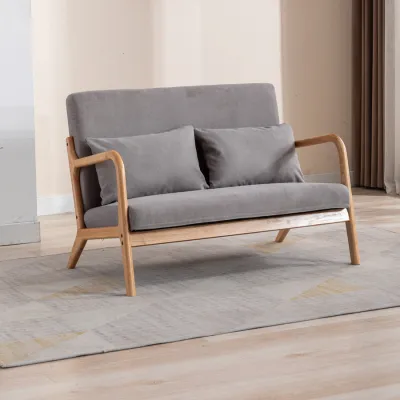


Prices are valid at publication and may change. Please refer to the product page for the latest price.
Finally, take stock of the existing design elements in your space. Modern Filipino design relies on a sense of openness and simplicity, so identify any cluttered areas or competing furniture pieces that might clash with the sofa. Balancing the heavy, solid presence of traditional wood requires surrounding it with lighter, more minimalist elements to keep the room feeling spacious.
Select a Modern Filipino Color Palette
A cohesive color palette is the most effective tool for bridging the gap between traditional wood tones and modern design. Modern Filipino interiors favor light, airy, and nature-inspired tones that reflect the local landscape while counteracting the visual weight of dark wood. Consider using warm whites, soft creams, sand beiges, and muted olive or sage greens as your primary wall and large-surface colors.

These neutral backdrops allow the rich grain and natural warmth of the wooden sofa to stand out without making the room feel dark or dated. If your sofa is made of a lighter wood, such as bamboo or light-stained rattan, you can introduce slightly deeper neutral tones like taupe or charcoal gray on an accent wall to create a sophisticated contrast.
Avoid overly saturated, bright, or highly contrasting primary colors, which can make the space feel chaotic and highlight the age of the furniture in an unflattering way. Instead, stick to a disciplined palette of three to four coordinating shades, using subtle earthy tones for your larger accessories and reserving small pops of color for minor decorative accents.
Upgrade Cushions and Upholstery Fabrics
The cushions on a traditional wooden sofa are often the first things that make it look outdated. Older sofas frequently feature thick, bulky cushions wrapped in heavy, dark floral tapestries or shiny synthetic fabrics that trap heat. Replacing these with streamlined, low-profile cushions instantly modernizes the sofa’s silhouette while improving comfort.
When selecting new upholstery fabrics, prioritize breathability and durability to suit the warm, humid climate of the Philippines. Natural fiber blends, such as linen-cotton mixes or high-quality canvas, are excellent choices because they allow air to circulate and feel cool against the skin. Always check the manufacturer’s care labels to ensure the fabric is resistant to wear and easy to clean.
For the design of the fabric, opt for solid, neutral tones that complement your new color palette. If you want to introduce patterns, steer clear of traditional, dense floral prints. Instead, choose subtle geometric patterns, minimalist stripes, or abstract tropical motifs that offer a nod to local heritage without cluttering the visual field.
Layer with Contemporary Textures and Accessories
Layering modern accessories around your wooden sofa helps integrate it into a contemporary setting. Start from the ground up by placing a large, modern area rug underneath the sofa. A rug made from natural fibers like abaca, seagrass, or flat-woven cotton anchors the heavy wooden frame, defines the seating area, and creates a soft barrier between the sofa and the floor.
On the sofa itself, arrange a small selection of minimalist throw pillows. Mix textures rather than colors; pair a smooth linen pillow with a chunky woven cotton throw blanket draped casually over one armrest. This adds tactile interest and softens the hard edges of the wooden frame without making the seating area look cluttered.
Complete the look with a sleek, modern coffee table and minimalist wall art. Choose framed prints with clean, simple borders and plenty of white space, featuring abstract designs or modern photography of local landscapes. This blend of contemporary styling with organic, local textures creates a sophisticated narrative that honors traditional craftsmanship in a modern context.
Optimize the Layout and Lighting
The way you arrange your furniture and lighting plays a crucial role in how modern your living room feels. Avoid the common habit of pushing your heavy wooden sofa flat against the wall, which can make the room layout feel rigid and dated. If space permits, pull the sofa a few inches away from the wall to create breathing room and a more dynamic, open layout.
To balance the heavy visual weight of the wooden sofa, pair it with lighter, modern seating options. Consider adding one or two minimalist accent chairs with slender metal or light wood frames, which keep the sightlines open. This contrast prevents the room from feeling dominated by a single, massive suite of matching wooden furniture.
Lighting is equally important for setting a modern mood. Introduce sleek, minimalist floor lamps or warm LED task lights near the sofa area to create a cozy, inviting ambiance in the evening. Avoid harsh, direct overhead lighting, which can cast deep shadows on the wood carvings and make the space feel cold; instead, use layered, warm lighting to highlight the natural beauty of the wood grain.
Maintain and Care for the Wood Finish
A modern aesthetic relies heavily on clean, well-maintained surfaces, so keeping your wooden sofa in excellent condition is essential. Dust the wooden frame regularly with a soft, dry microfiber cloth to prevent dirt from settling into intricate carvings or joints. Always follow the manufacturer’s specific care instructions regarding cleaning agents, as harsh chemicals can strip away protective sealants.
Protecting the wood from environmental factors is critical in a tropical climate. Keep the sofa away from direct, intense sunlight coming through windows, as UV rays can cause the wood to fade unevenly or crack over time. Additionally, manage indoor humidity levels where possible, as extreme moisture fluctuations can cause solid wood to warp or expand.
Finally, use modern, discreet protective felt or silicone pads under any decorative items, trays, or side tables placed near or on the wooden surfaces. This simple step prevents accidental scratches and scuffs, ensuring that the wood’s natural finish remains smooth, lustrous, and beautiful for years to come.
Frequently Asked Questions (FAQ)
Can I paint or stain my traditional wooden sofa to make it look modern?
Yes, painting or staining can dramatically alter the look of a traditional wooden sofa, but it requires careful preparation. Before applying any product, identify the type of wood and the existing finish, as some hardwoods have natural oils that can bleed through paint if not properly primed. Always test your chosen paint or stain on a small, hidden area of the sofa first to see how the wood reacts. If the piece is a valuable antique or made of high-grade hardwood, consider consulting a professional refinisher to preserve its structural integrity and value.
What type of coffee table pairs best with a heavy wooden sofa?
To balance a heavy wooden sofa, choose a coffee table with a lighter visual profile. Tables featuring glass tops, slim metal legs, or light-colored natural stone work exceptionally well because they allow light to pass through and break up the solid mass of the wood. Before purchasing, check the height of the coffee table to ensure it sits at a comfortable level relative to the sofa’s seat height, typically allowing for a clearance of about 30 to 45 centimeters for easy movement.
Community discussion
Share your experience or ask a question. Comments are reviewed before publication.