
Quick Answer: Identifying an Original Army-Style Duyan
To identify an original army-style duyan, look closely at the fabric weave, stitching density, and hardware weight. A genuine military-spec hammock features heavy-duty ripstop nylon or thick canvas, dense bar-tack stitching at all stress points, and solid, load-bearing metal hardware. Because “army-style” is frequently used as a loose marketing buzzword rather than a certified standard, you must rely on physical inspection and seller verification rather than product titles alone.
Key Physical Checks to Verify Authenticity
Verifying a tactical hammock requires looking past the surface aesthetics. While a camouflage print might look authentic from a distance, the true test of a military-spec duyan lies in its structural integrity and weight distribution. Genuine tactical gear is engineered to support weight safely under harsh outdoor conditions, meaning every seam, loop, and strap must be built to survive heavy tension.

Fabric Quality and Weave
The primary defense against sudden tears is the fabric itself. Original tactical hammocks typically utilize high-density ripstop nylon or heavy-duty canvas. Ripstop is easily identified by its distinct grid pattern of thicker, reinforced threads woven at regular intervals. This structural design ensures that if a small puncture occurs, the tear is contained within a single grid square rather than splitting the entire hammock open.
Products mentioned in this guide
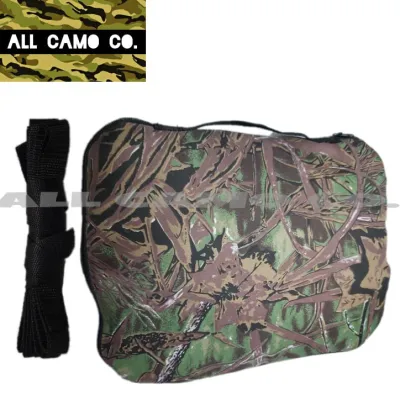
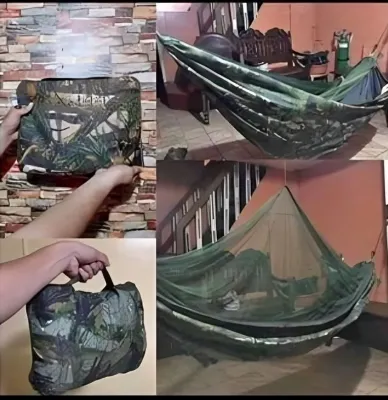
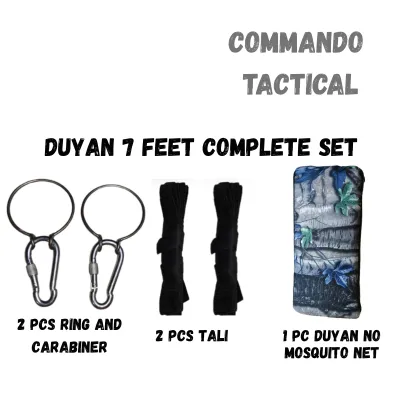
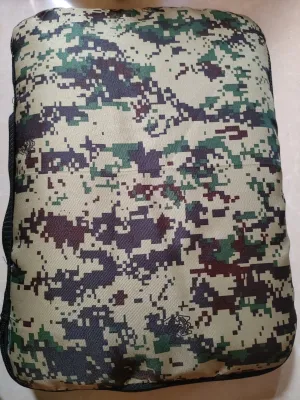
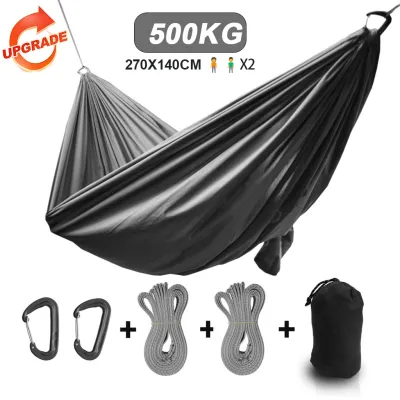
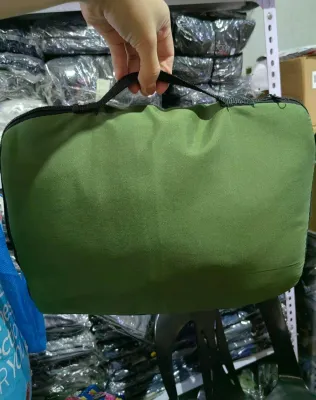
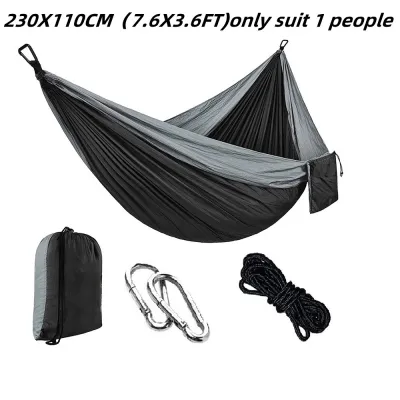
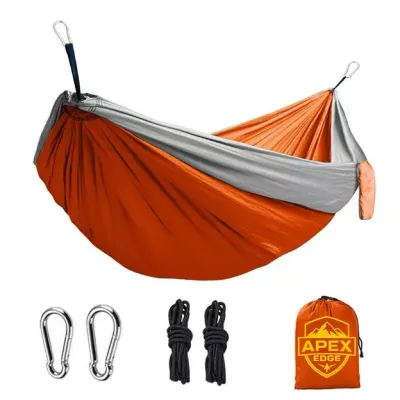
Prices are valid at publication and may change. Please refer to the product page for the latest price.
In contrast, counterfeit or low-quality imitations often use thin, single-layer polyester that feels slick, plastic-like, and overly stretchy. These cheap materials lack the tensile strength required for rugged outdoor use. Under the tropical heat and high humidity of the Philippines, low-grade polyester can degrade quickly, becoming brittle and prone to sudden failure when exposed to sunlight and moisture.
When handling the fabric, pay attention to its weight, texture, and breathability. A genuine military-style duyan feels substantial and slightly textured, offering a balance of durability and airflow to prevent excessive sweating. Examine the edges of the fabric; original gear features clean, heat-sealed, or multi-folded hems that resist fraying, whereas cheap replicas often show loose threads and uneven edges right out of the packaging.
Always check the product label for specific material details. A reputable manufacturer will clearly state the fabric composition and a realistic weight capacity. If the label only features generic buzzwords like “ultra-strong military-grade” without any technical specifications, fabric weight, or fiber content, treat it as a major warning sign.
Stitching, Hardware, and Suspension
The points where the hammock connects to the suspension system bear the entirety of your weight. On an original army-style duyan, these critical stress points are reinforced with bar-tack stitching. This specialized sewing technique consists of very tight, repeated zigzag stitches that form a dense block of thread. You should find these reinforcements at the gathered ends, suspension loops, and along any structural seams.
Cheap imitations usually rely on standard straight stitching, which can easily unravel under dynamic movement. If you see single-line stitching or uneven thread tension at the main weight-bearing loops, the hammock is highly likely to fail under load. Genuine tactical gear never compromises on seam reinforcement, as a split seam in the field can lead to serious injury.
Next, inspect the metal hardware. Original tactical hammocks use heavy-duty, solid metal carabiners or D-rings designed to handle high loads. These components should feel heavy in your hand, feature a smooth finish without sharp burrs, and operate flawlessly. Sharp edges on cheap zinc-alloy carabiners can easily slice through your suspension straps or the hammock fabric itself over time.
The suspension system is another clear indicator of quality. A genuine army-style setup includes wide, high-tensile polyester or nylon webbing straps with multiple adjustment loops. These tree-saver straps distribute weight evenly and protect tree bark. Counterfeits often cut corners by supplying thin, stretchy paracord, basic utility ropes, or flimsy metal hooks that slip easily and damage trees.
Red Flags in Product Listings and Packaging
Spotting a fake often starts before you even make a purchase. When browsing online marketplaces, pay close attention to the product images. Listings that rely on heavily edited stock photos, computer-generated mockups, or stolen imagery from premium outdoor brands are highly suspicious. If a seller cannot provide clear, high-resolution, close-up photos of the actual stitching, fabric texture, and hardware, they may be hiding a substandard product.
Price is another major indicator of authenticity. While everyone loves a bargain, you should be highly skeptical of listings claiming to offer “100% authentic military surplus” or “genuine tactical gear” at incredibly low prices. If a duyan is priced significantly below standard market rates in ₱, it is highly likely a cheap imitation made from inferior materials.
Vague and evasive product descriptions are also common among counterfeit listings. Genuine manufacturers provide detailed specifications, including exact dimensions, fabric denier, weight limits, and package contents. If a listing relies heavily on repetitive keyword stuffing while omitting basic physical dimensions or material compositions, the seller is likely trying to obscure the product’s true quality.
Evaluating Sellers and Purchase Channels
Where you buy your gear is just as important as what you buy. To ensure you receive an original product, prioritize authorized outdoor retailers, established tactical gear shops, or the official direct brand stores. These sellers have a reputation to uphold and are much more likely to source genuine inventory directly from verified manufacturers.
If you are shopping on general e-commerce platforms, take the time to thoroughly vet the third-party seller. Look beyond the overall star rating and dive into the critical reviews. Pay close attention to feedback that specifically mentions poor durability, tearing fabric, broken hardware, or claims of receiving a counterfeit item. A high volume of generic, one-word positive reviews can sometimes indicate manipulated ratings.
Do not hesitate to message the seller directly before placing your order. Ask specific questions about the manufacturer, the fabric weight, and whether the product comes with a warranty. A reputable seller will provide clear, detailed, and helpful answers. If you receive evasive, automated, or highly generic responses that fail to address your questions, it is best to look elsewhere.
What to Do If You Suspect a Counterfeit
If you receive a duyan and suspect it is a fake, do not attempt to hang or test it with your body weight. Instead, immediately document the discrepancies. Take clear, well-lit photos of the thin fabric, loose stitching, lightweight hardware, or any packaging that differs from what was advertised in the original listing.
Next, initiate a return or refund request through the e-commerce platform’s buyer protection program. Select the appropriate reason, such as “item not as described” or “counterfeit product,” and upload your photographic evidence. Most reputable platforms have policies in place to protect buyers from deceptive sellers, provided you act quickly within the return window.
Finally, leave an honest, detailed review on the seller’s page to warn other outdoor enthusiasts. Focus your feedback on the specific physical flaws, such as the lack of bar-tack stitching or the flimsy hardware, rather than just expressing frustration. Sharing your experience helps keep the community safe and discourages dishonest sellers from continuing to list low-quality imitations.
Frequently Asked Questions (FAQ)
Is a camouflage pattern enough to prove a duyan is military-spec?
No, a camouflage pattern is simply a printed design and does not indicate the quality or authenticity of a hammock. Cheap manufacturers frequently print popular military patterns onto thin, low-grade polyester to make their products look tactical. True military-spec status is determined by the underlying material strength, reinforced stitching, and load-bearing hardware, not the visual design.
Can I use a fake army-style duyan for light backyard lounging?
While a low-quality imitation might hold up for brief, low-height lounging, it lacks the tested weight limits and structural integrity of genuine gear. Using a fake hammock carries inherent risks, as cheap stitching and brittle hardware can fail suddenly without warning. If you choose to use one, keep it very close to the ground, avoid dynamic movement, and never use it for camping or high-hanging setups.
How do I properly maintain an original army-style duyan to extend its lifespan?
To preserve your hammock, always check the manufacturer’s care label for specific washing instructions. Generally, you should hand wash the fabric using mild soap and cool water, then hang it to air dry completely in the shade. Avoid harsh detergents or machine drying, which can damage the ripstop fibers. Store the duyan in a cool, dry place away from direct sunlight, and regularly inspect the suspension straps and metal hardware for signs of wear, fraying, or rust.
Community discussion
Share your experience or ask a question. Comments are reviewed before publication.