
Repurposing a traditional basket pamalengke—the sturdy market basket found in almost every Filipino household—is an ingenious, eco-friendly strategy when preparing for a move. Instead of purchasing single-use cardboard boxes, these woven or plastic utility baskets offer a durable, reusable alternative. Their built-in handles make them exceptionally easy to carry, while their open-weave design provides excellent ventilation. However, because these baskets typically lack lids and feature textured interiors, they require specific lining and loading techniques to protect your belongings from scratches, dust, and transit damage. By understanding how to prepare and load these versatile containers, you can streamline your lipat-bahay process while giving your household baskets a practical second life.
Inspecting and Preparing Your Baskets for the Move
Before loading your belongings into any basket pamalengke, you must evaluate its structural integrity. Over time, exposure to heavy market loads, moisture, and sunlight can weaken materials, whether your basket is made of traditional rattan, native buri, or modern molded plastic. Hold the basket up and inspect the base, the weave, and the attachment points of the handles. Look for cracks, loose strands, or brittle sections that could suddenly fail when subjected to the stress of a house move.
Cleaning is the next crucial step in preparation. Because these baskets are primarily used for carrying fresh produce, fish, or dry goods from the wet market, they can harbor residual moisture, organic matter, or persistent odors. Wash plastic baskets thoroughly with mild dish soap and water, then let them dry completely in the sun to eliminate any lingering smells. For natural woven baskets, wipe them down with a damp cloth and ensure they are entirely dry before packing to prevent mold or mildew from transferring to your clean household goods.
Products mentioned in this guide
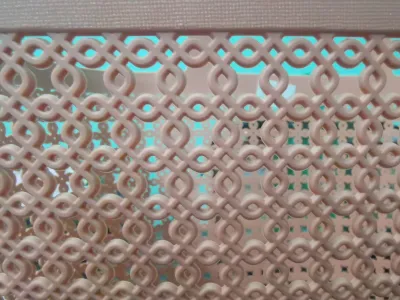
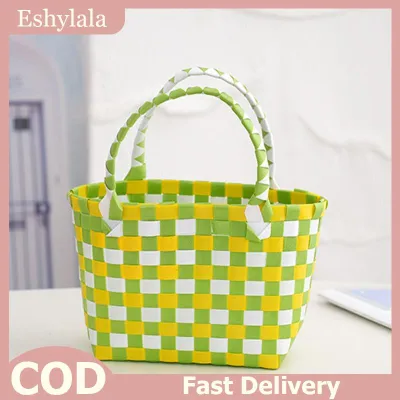
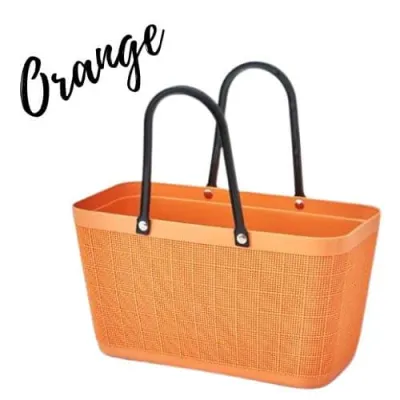
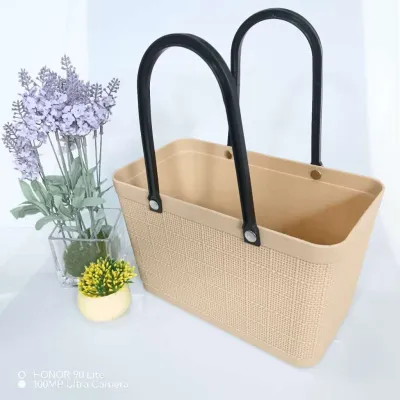
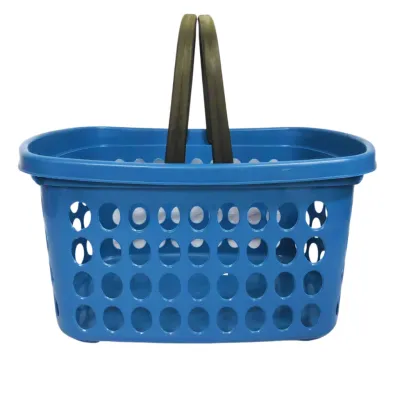
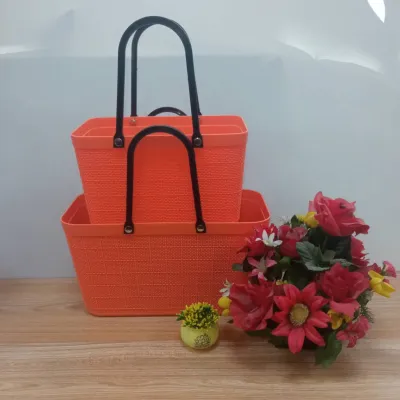
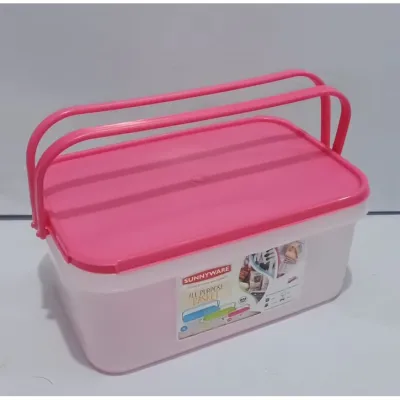
Prices are valid at publication and may change. Please refer to the product page for the latest price.
Once your baskets are clean and structurally sound, gather the necessary lining and securing materials. Unlike cardboard boxes, which have smooth, solid walls, market baskets require an internal barrier to protect your items from snagging on the weave. Collect heavy-duty trash bags, clean moving blankets, bubble wrap, and a roll of plastic stretch wrap. Having these materials on hand ensures you can quickly convert any open-top basket into a secure, protective moving container.
Deciding What to Pack in a Basket Pamalengke
A successful move relies on matching the right household items to the right containers. A basket pamalengke is exceptionally well-suited for soft goods that can conform to its rounded or tapered shape. Bed linens, blankets, towels, pillows, and everyday clothing are ideal candidates for basket packing. These items are naturally resilient, lightweight, and can be compressed easily to maximize the basket’s volume without putting excessive strain on its handles or base.

You can also use these baskets for sturdy, non-fragile kitchenware and daily essentials. Pots, pans, plastic food containers, mixing bowls, and unopened pantry items fit well inside a market basket. Because these items are durable, they do not require the rigid, shock-absorbing protection of a heavy-duty cardboard box. Packing your immediate essentials—such as toiletries, a change of clothes, and basic kitchen tools—in a distinct market basket also makes them highly accessible on your first night in the new home.
Conversely, there are several categories of items you should never pack in an open-top, textured basket. Avoid loading loose small parts, highly fragile glassware, delicate electronics, or valuable documents into these containers. Small items can easily slip through the gaps in a woven basket, while fragile pieces are highly vulnerable to crushing without solid box walls to shield them. Additionally, keep heavy items like books, tools, or canned goods out of large market baskets; overloading them makes lifting dangerous and can easily tear the handles or break the woven base.
Step-by-Step Packing and Lining Process
To pack a basket pamalengke safely, you must first establish a protective interior barrier. Start by lining the inside of the basket with a heavy-duty plastic bag or a clean moving blanket. This step is vital for both natural fiber and plastic baskets, as it prevents fabrics from snagging on rough edges and keeps dust, dirt, and moisture from entering through the open weave during transit. Ensure the liner drapes over the edges of the basket so it remains securely in place as you load your items.
Once the liner is positioned, employ a strategic layering technique to maximize stability and protect your belongings. Always place the heaviest, flattest items at the very bottom of the basket to establish a low center of gravity. For example, if you are packing kitchen items, place heavy metal pots at the base, followed by lighter plastic containers, and top them off with kitchen towels or dishcloths. This distribution prevents the basket from tipping over during transport and ensures that lighter, more delicate items are not crushed under heavy loads.
Because market baskets lack built-in lids, securing the top is essential to prevent items from spilling out if the vehicle shifts or tilts. Once the basket is filled to just below the rim, fold the excess liner material over the top of your items. Next, wrap the entire upper portion of the basket with several layers of plastic stretch wrap, securing it tightly around the handles and the rim. Alternatively, you can use bungee cords or tie a large piece of fabric over the opening to keep the contents firmly contained and protected from road dust.
Stacking, Loading, and Transporting Safely
Transporting open-top baskets requires careful planning when loading the moving vehicle. Unlike uniform cardboard boxes, market baskets often have tapered sides and flexible structures, meaning they cannot be stacked on top of one another in the same way. Only stack baskets if they have flat, rigid rims specifically designed to bear weight, and even then, limit the stack to two units high. If your baskets are flexible or rounded, keep them in a single layer on the vehicle floor, or nest empty baskets together to save space.
When arranging the baskets in the moving truck or utility vehicle, position them securely on the floor against the cabin walls or heavy furniture. This placement minimizes lateral movement and prevents the baskets from sliding or tipping over when the vehicle turns or brakes. Use cargo straps, bungee cords, or heavy boxes to wedge the baskets tightly into place. Never place heavy furniture or heavy cardboard boxes on top of your packed market baskets, as this will crush the weave and damage the items inside.
Finally, pay close attention to how you handle and lift the loaded baskets during the loading process. Even if a basket pamalengke has comfortable, integrated handles, lifting a fully loaded basket by its handles alone puts immense stress on the joints and weave. Always lift the basket by supporting its base with both hands, or use the handles only to guide the basket while your main lifting force comes from underneath. This simple precaution prevents sudden handle failure and extends the lifespan of your baskets for years to come.
Unpacking and Repurposing After the Move
When you arrive at your new home, your packed market baskets can serve as highly efficient temporary storage units. Because they are open and easy to access, prioritize unpacking these baskets first, especially if they contain your daily essentials, toiletries, and immediate kitchen tools. You can leave non-essential items, like extra linens or seasonal clothing, inside the baskets and store them neatly in closets or utility rooms until you have time to organize your permanent shelving.
Once you have emptied the baskets, give them a quick post-move cleaning to remove any dust, road grime, or debris accumulated during the transit phase. Wipe down the interiors and exteriors with a damp microfiber cloth, and let them air dry completely. This step ensures they are clean and ready to transition back into their regular household roles without transferring any moving-day dirt to your new living spaces.
The beauty of using a basket pamalengke for moving is its long-term utility after the move is complete. Instead of breaking down and storing bulky cardboard boxes, you can immediately repurpose these baskets for everyday home organization. Use them as stylish laundry hampers in the bathroom, convenient toy organizers in the children’s play area, or rustic indoor plant holders in the living room. Their durable construction and classic aesthetic make them a functional addition to any room in your new home.
Frequently Asked Questions (FAQ)
Can I use a basket pamalengke for packing fragile dishes?
Using a basket pamalengke for fragile dishes is generally not recommended because these baskets lack the rigid, shock-absorbing walls of specialized dish boxes. However, if you must use them, you can do so safely by wrapping each dish individually in multiple layers of bubble wrap or thick packing paper. Place a thick moving blanket at the bottom of the basket, pack the wrapped dishes vertically rather than flat, and fill any empty spaces with crumpled paper to prevent shifting. For valuable or highly delicate glassware, standard cardboard boxes with cardboard dividers remain a much safer choice.
How do I prevent the basket handles from breaking during the move?
To prevent the handles of your basket pamalengke from breaking, avoid overloading the basket beyond its practical weight capacity. Keep the total weight manageable, and never pack heavy items like books, tools, or canned goods in these containers. When lifting or carrying the basket, always support the base with at least one hand rather than relying solely on the handles. This distributes the weight evenly across the entire structure of the basket, reducing the tension on the handle joints and preventing the weave from tearing or snapping during transport.
Community discussion
Share your experience or ask a question. Comments are reviewed before publication.