
Weatherproofing and maintaining your gazebo for the Philippine rainy season requires a systematic approach of pre-season inspection, material-specific sealing, and strategic accessory protection. With the arrival of the southwest monsoon and frequent tropical depressions, outdoor structures face relentless downpours and high humidity that can quickly degrade wood, rust metal, and rot fabrics. By addressing structural vulnerabilities early, applying compatible protective coatings from top to bottom, and establishing a weekly maintenance routine, you can safeguard your outdoor investment. This guide outlines the practical steps needed to keep your gazebo stable, dry, and structurally sound throughout the wettest months of the year.
Inspect and Prepare Your Gazebo Before the Heavy Rains
Before the first heavy rains arrive, conducting a thorough structural and surface assessment is essential to identify existing wear that could worsen under constant moisture. Begin by examining the roof joints and connection points where water is most likely to collect or seep through. Check the stability of the frame by gently shaking the support posts to ensure there is no structural wobble or loose anchoring. For soft-top gazebos, inspect the fabric canopy for thin spots, micro-tears, or stretched areas that could easily pool water and tear under the weight of a sudden downpour.
Clearing debris from the roof and surrounding area is the next critical step in preparation. Wet leaves, twigs, and organic matter trap moisture against the gazebo’s surfaces, accelerating rot on wood and corrosion on metal. Wash all surfaces thoroughly with a mild, manufacturer-approved cleaning solution to remove dirt, bird droppings, and early mold spores. Allow the entire structure to dry completely for at least twenty-four to forty-eight hours before applying any protective treatments, as sealing in moisture will cause rapid decay from the inside out.
Products mentioned in this guide
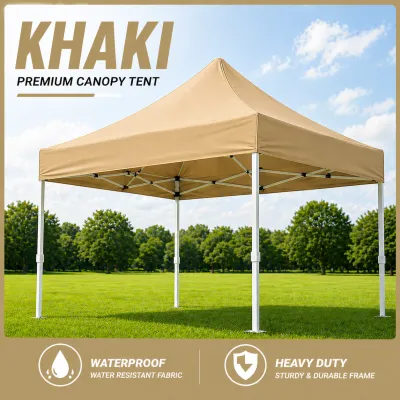
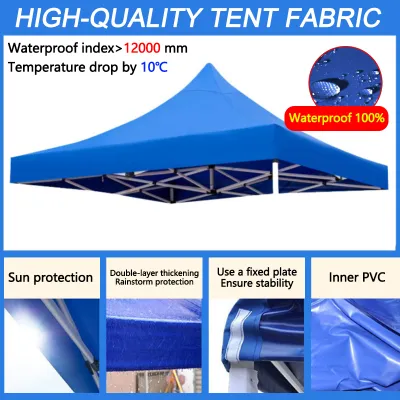
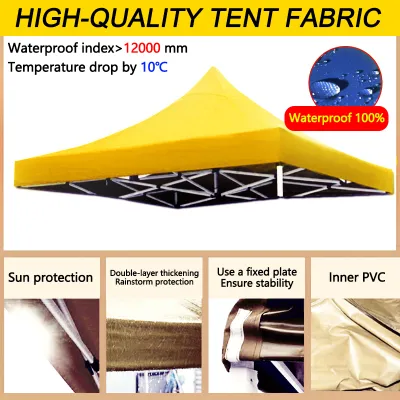
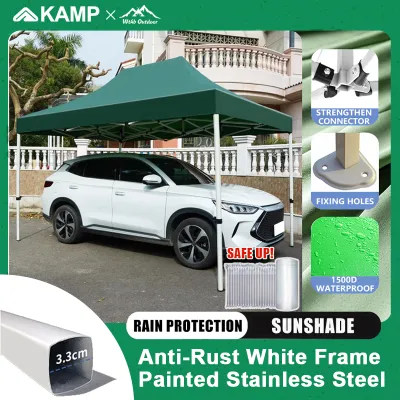
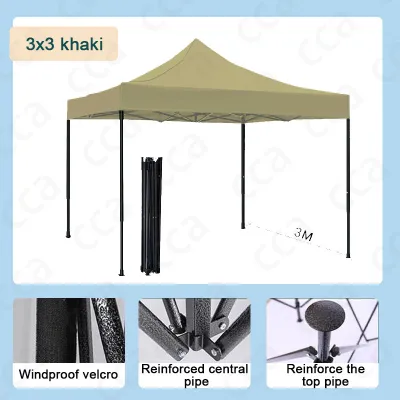
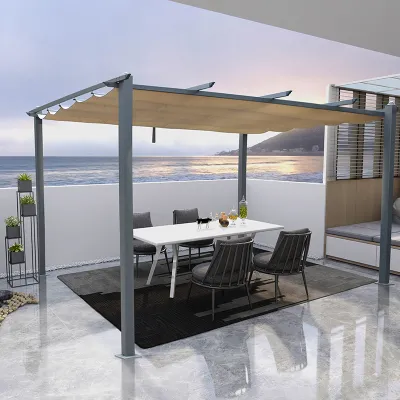
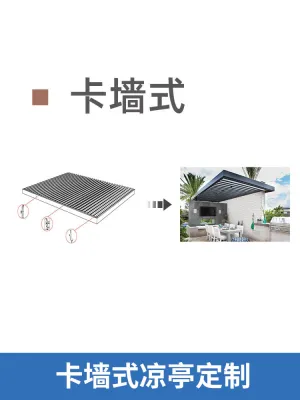
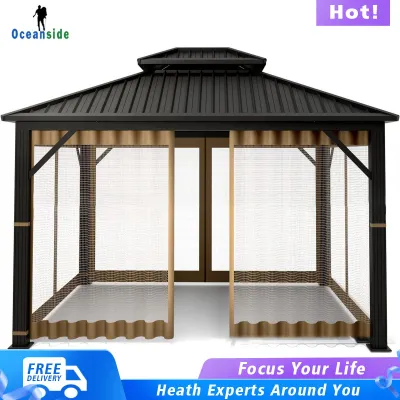
Prices are valid at publication and may change. Please refer to the product page for the latest price.
During your inspection, pay close attention to the severity of any damage you discover. While minor surface scratches, loose screws, and small fabric tears can be addressed with DIY repair kits, deeper structural issues require caution. If you observe significant structural shifts, leaning posts, deep cracks in load-bearing wooden beams, or extensive rot that yields to the pressure of a screwdriver, these issues exceed safe DIY limits. In such cases, seeking a professional structural assessment is necessary to prevent a catastrophic collapse during high winds.
Step-by-Step Weatherproofing for the Roof and Frame
Protecting your gazebo from prolonged water exposure requires a systematic, material-specific application of sealants and coatings. Always read the product labels and manufacturer instructions carefully before purchasing or applying any weatherproofing agents to ensure compatibility with your specific gazebo model. To achieve a clean finish and avoid ruining your progress, always work in a logical sequence from the top of the structure down to the base, preventing drips from falling onto newly treated lower surfaces.

Protecting the Roof and Canopy
The roof bears the brunt of tropical downpours, making it the most critical area to seal against water ingress. For hard-top gazebos made of polycarbonate, metal, or treated wood, verify that your chosen sealant or silicone caulk is explicitly approved by the manufacturer for outdoor use on that specific material. Apply the sealant along the seams, joints, and screw holes where water is most likely to penetrate, ensuring a smooth, continuous barrier that directs water away from the interior.
If your gazebo features a fabric canopy, treat the material with a compatible waterproofing spray or fabric guard designed for outdoor textiles. Before application, test the spray on a small, inconspicuous area of the fabric to check for discoloration or material degradation. Apply the treatment evenly across the entire surface, paying extra attention to the seams, and verify that the canopy is tensioned correctly to promote proper water runoff and prevent heavy water pooling.
If you are unsure of the roof’s material composition or if you observe signs of delamination, peeling factory coatings, or advanced material degradation, stop the application immediately. Applying unverified chemical treatments to unknown materials can cause irreversible chemical reactions, melting plastics, or stripping away remaining protective layers. In these situations, consult the gazebo manufacturer or a professional installer to identify the correct restoration products.
Sealing and Treating the Frame
The supporting frame requires material-specific care to withstand the high humidity and constant dampness of the rainy season. Wooden frames should be treated with a high-quality water-resistant stain or exterior sealant that allows the wood to breathe while repelling liquid water. Metal frames, particularly steel or iron, require a close inspection for chipped paint or exposed metal; apply a rust-inhibiting primer and exterior metal paint to these areas to prevent oxidation. Synthetic or vinyl frames generally require less chemical treatment but should still be checked for cracks or joint separation where water could enter and stagnate.
When selecting and applying these protective coatings, always check the product labels for outdoor suitability, moisture resistance, and specified drying times. Tropical humidity can significantly extend the drying and curing times recommended on product packaging, so plan your application during a clear weather window. Apply multiple thin coats rather than one thick layer, adhering strictly to the manufacturer’s recommended waiting times between coats to ensure proper adhesion and durability.
Avoid using unverified home remedies, such as applying cooking oils, motor oils, or non-porous household waxes to the frame. These substances often fail to dry properly, attracting dirt and organic debris while trapping moisture underneath the surface, which accelerates rot and rust. Furthermore, using non-approved treatments can void any active manufacturer warranties, leaving you without recourse if the structure suffers material failure.
Preventing Mold and Structural Wear on Accessories
The high humidity of the Philippine wet season creates an ideal environment for mold, mildew, and structural wear on gazebo accessories and furniture. To protect these items, elevate all furniture legs off wet deck floors or damp ground using rubber risers, plastic glides, or concrete pavers. When the gazebo is not in use, protect the furniture with breathable, water-resistant covers designed specifically for outdoor use, ensuring they are secured tightly to prevent wind from blowing them away.
Establishing a regular drying and airing routine is vital during temporary breaks in the rain. Whenever the sun emerges or the humidity drops, remove the furniture covers and open any gazebo curtains or side panels to maximize airflow. This ventilation helps evaporate trapped moisture from the furniture frames, cushions, and fabric screens, preventing the stagnant conditions that encourage mold spores to colonize.
Before cleaning any outdoor textiles, such as cushions, curtains, or privacy screens, check the care labels to determine the correct maintenance method. Some fabrics are machine washable and can be laundered with mild detergents, while others require specific spot-cleaning techniques or specialized fabric cleaners to preserve their water-resistant coatings. Never store damp cushions or fabrics in enclosed plastic bins, as this traps moisture and guarantees rapid mold growth within days.
Routine Maintenance and When to Call a Professional
Weatherproofing is not a one-time task; it requires ongoing vigilance throughout the rainy season to catch minor issues before they become costly repairs. Conduct weekly visual checks of your gazebo, looking specifically for areas where water might be pooling on the roof, new leaks dripping onto the floor, or signs of rust forming on metal joints. Pay close attention to the base of the support posts, ensuring that rainwater is draining away from the foundation rather than pooling around the anchors.
As part of your weekly maintenance routine, use basic hand tools to check and tighten accessible bolts, screws, and brackets. The constant expansion and contraction of materials due to temperature shifts and moisture, combined with the physical stress of wind, can gradually loosen hardware over time. Keeping these fasteners secure maintains the structural integrity of the gazebo and prevents individual joints from bearing uneven loads.
While routine cleaning and tightening are safe DIY tasks, certain situations demand professional intervention to ensure personal safety and structural stability. If you notice significant structural instability, such as a noticeable lean, shifting foundations, or cracked main support beams, stop using the gazebo immediately. Additionally, if your gazebo features integrated electrical wiring, lighting, or outlets, and you observe flickering lights, tripped breakers, or exposed wires near wet areas, do not attempt to fix these hazards yourself; consult a qualified electrician or contractor immediately.
Frequently Asked Questions (FAQ)
Can I leave my gazebo furniture outside during heavy storms?
Leaving gazebo furniture outside during severe tropical storms or typhoons poses significant risks to both the furniture and your property. Evaluate the water resistance and weight of your outdoor furniture based on the manufacturer’s specifications; lightweight aluminum, plastic, or wicker items can easily become airborne in high winds, causing damage to your home or the gazebo itself. For lightweight or highly vulnerable items, store them securely in an indoor storage area, garage, or dry shed before the storm arrives. If you must leave heavy, highly water-resistant furniture outdoors, ensure it is securely anchored to the ground or the gazebo frame, and protect it with heavy-duty, strapped outdoor covers to minimize water exposure.
How do I remove existing mold from a wooden gazebo frame?
To remove surface mold from a wooden gazebo frame, use a gentle, manufacturer-approved cleaning solution, such as a mixture of mild dish soap, warm water, and a soft-bristle brush. Avoid using harsh bleach solutions or high-pressure power washers, as these can damage the wood fibers, strip away protective sealants, and force moisture deeper into the grain. After scrubbing the affected areas, rinse the wood thoroughly with clean water and allow it to dry completely in well-ventilated conditions before applying a fresh coat of breathable, water-resistant sealant. If you notice that the wood is soft, spongy, or crumbling when pressed, the mold has progressed to deep structural rot; surface cleaning will not restore the wood’s strength, and you must consult a professional contractor to replace the compromised structural components.
Community discussion
Share your experience or ask a question. Comments are reviewed before publication.