
The rainy season in the Philippines brings intense downpours, high humidity, and persistent moisture that can quickly damage outdoor gear. If you use a Campingmoon IGT (Iron Grill Table) table for your outdoor setups, protecting this versatile system from rust, mold, and warping is essential. Weatherproofing your campingmoon igt table involves a systematic approach of cleaning, applying material-specific protectants, and using proper storage solutions. By taking these preventive steps before the heavy monsoon rains set in, you can preserve the structural integrity and aesthetic appeal of your modular table for many camping trips to come.
Assess Your Table’s Materials and Condition
Before applying any coatings or protective treatments, you must understand exactly what your table is made of. The Campingmoon IGT table system typically features a modular design combining an aluminum alloy frame, stainless steel hardware, and various optional inserts such as bamboo, wood, or metal grates. Because different materials react uniquely to moisture and chemical treatments, identifying each component is the first step. Check the manufacturer’s care manual or product label to confirm the exact materials of your specific model and to verify if applying aftermarket coatings will void any existing warranty.
Next, conduct a thorough physical inspection of the table under bright, direct light. Look closely at the joints, hinges, and screw threads for early signs of moisture damage. Aluminum may exhibit a dull, powdery white oxidation, while steel hardware might show tiny orange spots of surface rust. If you have bamboo or wooden insert panels, inspect them for dark spots indicating mold growth, hairline cracks, or areas where the factory finish has begun to peel or wear away. Identifying these problem areas early allows you to address them before they escalate into structural failures during the wet season.
Products mentioned in this guide
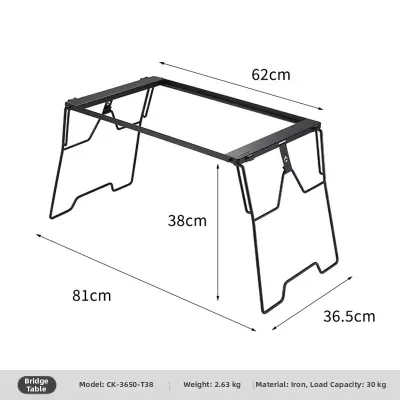
Prices are valid at publication and may change. Please refer to the product page for the latest price.
Gathering the correct preparation tools beforehand ensures a smooth and safe weatherproofing process. You will need several clean, lint-free microfiber cloths, a mild dish soap or specialized pH-neutral cleaner, a soft-bristle brush (such as an old toothbrush for tight corners), and protective gloves or eyewear if you plan to apply aerosol rust inhibitors. Avoid purchasing harsh chemical strippers or coarse sandpaper unless you have verified that your table’s specific finish can tolerate abrasive preparation. For most routine weatherproofing, gentle cleaning and light surface preparation are all that is required to achieve a clean base.
Clean and Dry the Table Thoroughly
Applying protective coatings or covers over a dirty surface will trap moisture, dirt, and fungal spores, accelerating the very decay you are trying to prevent. Begin the cleaning process by dismantling the IGT table completely. Remove all modular inserts, side hangers, and extension legs so you can access every hidden corner. Mix a small amount of mild dish soap with warm water in a bucket. Using a soft microfiber cloth or a soft-bristle brush, gently scrub away accumulated dirt, grease, soot from camp stoves, and organic debris from the metal frame and wooden inserts.

While cleaning, it is vital to avoid aggressive cleaning methods that can permanently damage the table’s materials. Never use high-pressure washers, as the intense force can force water deep into the joints of the aluminum frame or strip away protective factory anodization and wood sealants. Similarly, avoid steel wool, wire brushes, or abrasive scouring powders. These harsh tools create microscopic scratches on metal surfaces, which act as catch points for moisture and speed up the oxidation process. On wood or bamboo, abrasive scrubbing can tear the grain and make the material more porous.
Once the table is washed, the drying phase requires patience and meticulous attention to detail. Wipe down all surfaces with a dry, clean towel to remove the bulk of the water. Next, place the disassembled components in a shaded, well-ventilated area to air-dry completely. Avoid leaving wooden or bamboo inserts in direct, harsh sunlight, as rapid temperature changes can cause natural materials to warp or split. Pay extra attention to the hollow interior of the tubular legs, the folding hinges, and the small crevices where the IGT frame pieces lock together. Water easily pools in these areas and can remain trapped for days.
Before moving on to any coating or sealing step, verify that every component is entirely dry to the touch and internally. A simple way to check is to touch the joints and underside of the frames with a dry tissue; if any moisture transfers to the paper, let the table dry for several more hours. In highly humid tropical climates, allowing the components to air-dry overnight in an air-conditioned room or in front of a circulating fan is an effective way to ensure no residual moisture remains trapped within the metal channels or wood fibers.
Apply Protective Coatings Based on Material
Because the Campingmoon IGT table combines metal structural elements with natural wood or bamboo surfaces, a single weatherproofing product will not suffice. Each material requires a targeted barrier to resist the continuous high humidity of the rainy season.
Treating Wood and Bamboo Surfaces
Natural wood and bamboo inserts are highly susceptible to the humid tropical climate, which can cause them to swell, warp, rot, or develop black mold. To protect these organic surfaces, you should apply a high-quality, outdoor-rated wood wax, natural tung oil, or a light polyurethane sealant. Before purchasing, verify that the product is specifically rated for outdoor use and is compatible with bamboo or the specific hardwood of your inserts. If your inserts have an existing factory finish, perform a small spot test on the underside of a panel to ensure the new coating adheres properly without causing discoloration or bubbling.
When applying your chosen sealant, use a clean, lint-free cloth or a high-quality brush to apply thin, even coats along the natural direction of the wood grain. Applying thin layers is crucial; thick coats can become tacky, dry unevenly, and trap moisture beneath the surface. Allow the first coat to penetrate the material for the duration specified on the product label—usually between 12 to 24 hours depending on local humidity levels. If the manufacturer’s instructions recommend it, you can lightly buff the surface with ultra-fine sandpaper between coats to promote adhesion, ensuring you wipe away all dust before applying a second thin layer.
Protecting Metal Frames and Hardware
The aluminum frame and stainless steel hardware of your Campingmoon IGT table are naturally more resistant to water than wood, but they are not entirely immune to the corrosive effects of prolonged moisture and coastal salt air. To safeguard these metal components, focus on the moving parts, folding hinges, and exposed steel screws. Apply a thin layer of silicone-based lubricant or a dedicated marine-grade rust-inhibitor spray to these high-friction areas. These specialized formulas displace water and create a microscopic barrier that prevents oxygen and moisture from contacting the metal.
To apply these products safely and cleanly, avoid spraying them indiscriminately over the entire table. Direct overspray can ruin adjacent wooden inserts or make the main frame excessively slippery. Instead, use the precision straw attachment provided with the spray can, or spray the lubricant directly onto a clean microfiber cloth first, then wipe it onto the metal hinges, joints, and screws. Once applied, take a clean, dry section of the cloth and wipe away any excess oil or wet residue. Leaving excess lubricant on the frame will only attract outdoor dust, sand, and grime, which can grind down the folding mechanisms over time.
Use Proper Covers and Adjust Storage Practices
Even with high-quality protective coatings, physical barriers and smart storage habits are your primary line of defense against heavy monsoon rains. Investing in a dedicated, high-quality outdoor furniture cover is highly recommended if you plan to keep your IGT setup assembled on a patio or semi-outdoor balcony. When selecting a cover, look for materials that are both waterproof and breathable. A completely non-breathable plastic tarp will trap rising ground moisture and humidity underneath, creating a hot, damp greenhouse effect that accelerates mold growth on wood and oxidation on metal.
Securing the cover properly is just as important as the material itself. High winds during tropical storms can easily lift loose covers, exposing your table to driving rain. Choose a cover equipped with adjustable drawstrings, heavy-duty click-close straps that wrap around the table legs, or integrated metal eyelets that allow you to secure the cover with heavy-duty bungee cords. Ensure the cover fits snugly around the entire perimeter of the table, leaving no loose fabric to flap in the wind, which can tear the material over time.
If you are not planning to use your Campingmoon IGT table during the peak of the wet season, the safest option is to disassemble and store it indoors. Fold the frame, pack the inserts into their protective carry bags, and place them in a dry, elevated indoor space, such as a closet, an upper shelf, or a well-ventilated storage room. Avoid storing the table in damp basements, unventilated crawlspaces, or outdoor storage sheds that are prone to roof leaks or high humidity buildup.
If indoor storage is not an option and the table must remain outdoors or on a covered patio, never leave it sitting directly on wet grass, soil, or muddy ground. Capillary action can draw moisture up through the bottom of the table legs, causing persistent dampness that degrades the rubber feet and metal joints. Instead, elevate the table legs by placing them on concrete patio slabs, solid bricks, or raised wooden pallets. Keeping the feet off the ground ensures proper airflow underneath the table and prevents water from pooling around the base of the legs.
Routine Maintenance During the Wet Season
Weatherproofing is not a one-time task; it requires regular monitoring throughout the rainy season to ensure the protective barriers remain intact. After every major downpour or tropical storm, perform a quick visual inspection of your table setup. Check if water has pooled on top of the furniture cover; if so, gently lift and tilt the cover to drain the water away, preventing it from seeping through the seams. Wipe down any exposed metal parts or wood inserts that may have caught wind-driven rain.
On dry, sunny days when the rain takes a break, temporarily remove the protective cover entirely. Allowing the table to sit in a well-ventilated, shaded area for a few hours helps dissipate any trapped condensation or ambient humidity that may have accumulated under the cover. This simple practice of “airing out” the furniture dramatically reduces the risk of mold and mildew taking hold on the natural wood or bamboo components.
If you spot minor moisture issues during your routine checks, take immediate corrective action before they spread. If a small patch of black mold appears on a bamboo insert, wipe it away gently using a soft cloth dampened with a mild, highly diluted white vinegar solution, then dry the area completely. For small spots of superficial surface rust on non-structural hardware, use a fine-bristle brush or a light nylon scrubbing pad to gently buff away the oxidation, then immediately reapply a thin coat of rust-inhibitor spray.
Always monitor the structural integrity of your table as the season progresses. If you notice severe wood rot, deep structural rust that compromises the strength of the hinges, or significant warping that prevents the IGT inserts from fitting securely into the frame, stop using the table immediately. In these advanced cases, consult the manufacturer’s customer support or contact a professional furniture repair service to assess whether the components can be safely restored or if they require replacement.

Community discussion
Share your experience or ask a question. Comments are reviewed before publication.