
In a compact bedroom, finding the ideal nightstand table requires balancing functional surface space with open floor area. For small bedrooms, the ideal nightstand table should have a width of 30 to 40 centimeters, a depth of 30 to 35 centimeters, and a height that aligns within 2 to 5 centimeters of your mattress top. Keeping to these dimensions ensures you have enough room for essentials like a phone, water glass, and small lamp without blocking high-traffic walkways or crowding the bed. Selecting the right size is not just about the furniture itself, but how it interacts with the surrounding architecture, door swings, and the bed frame.
How to Measure Your Bedroom Space and Bed Height
Before browsing online marketplaces or visiting local showrooms, grab a tape measure to map out your bedroom’s layout. Start by measuring the physical gap between the edge of your bed frame and the nearest wall or adjacent furniture, such as a wardrobe. This measurement establishes the absolute maximum width your nightstand can be. It is crucial to measure this gap at multiple points, as baseboards, wall trim, or uneven walls can reduce the actual clearance by a few centimeters.
Next, calculate the necessary walkway clearance around the bed. For comfortable movement, daily bed-making, and changing bed sheets, you need a clear path. If your nightstand sits next to a wardrobe or a bedroom door, you must also measure the swing radius of those doors. A nightstand that blocks a closet door from opening fully will quickly become a daily frustration.
Products mentioned in this guide

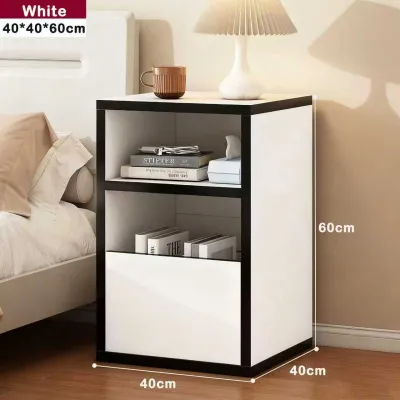
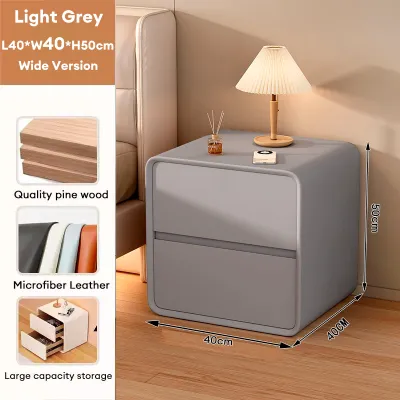
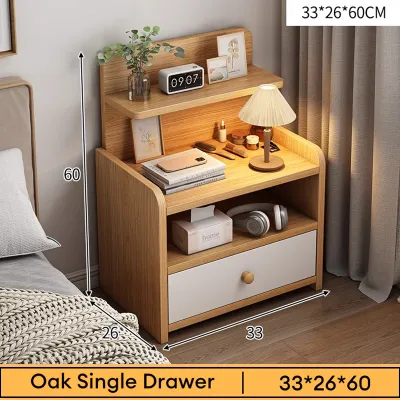
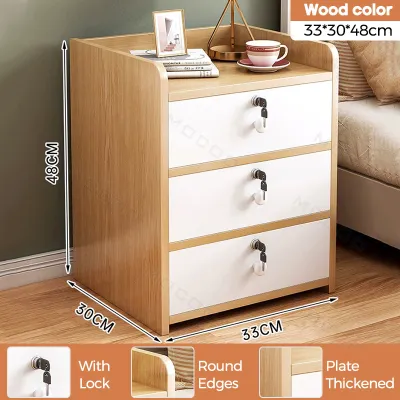
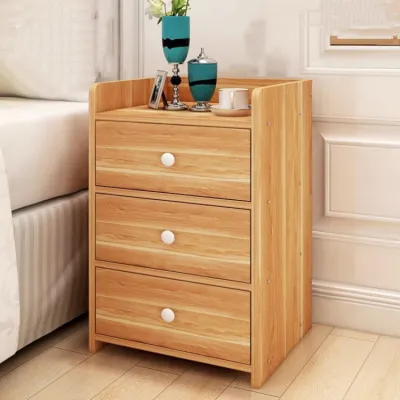
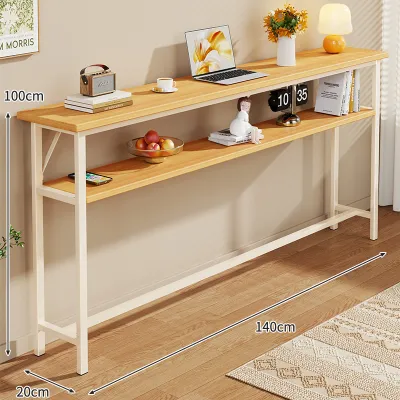
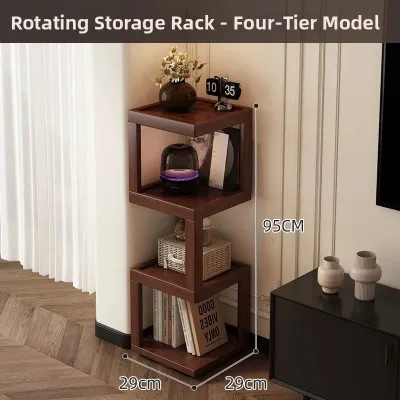
Prices are valid at publication and may change. Please refer to the product page for the latest price.
To determine the perfect height, measure from the floor to the very top of your mattress. Write this number down, as it serves as your primary anchor point. Most standard beds in the Philippines, including local platform frames and foam mattresses, sit between 50 and 65 centimeters off the floor. Your target nightstand height should align closely with this measurement to keep items within easy reach when you are lying down.
Finally, look closely at the architectural details of your wall. Note the location of electrical outlets, light switches, and air conditioning remote holders. A nightstand that covers an outlet can prevent you from plugging in lamps or phone chargers, while an overly tall unit might block access to light switches. Remember to account for any bed frame overhangs or headboard wings that extend beyond the mattress, as these will push the nightstand further away from the bed center. To make visualization easier, use painter’s tape on the floor and wall to outline the nightstand’s planned dimensions before purchasing.
Proportional Dimensions for Nightstand Tables in Compact Rooms
When decorating a small bedroom, proportional scaling is far more critical than relying on standard furniture sizes. Off-the-shelf nightstands are often designed for spacious master suites and can easily overwhelm a compact room, making the entire space feel cramped and disorganized. By focusing on scaled-down proportions, you maintain a balanced visual flow while preserving essential floor space.

Width and Depth: Balancing Surface Area and Walkways
For small bedrooms, the width of your nightstand table should match the scale of your bed. If you sleep on a single or double bed, an ultra-narrow nightstand measuring 30 to 35 centimeters wide provides an excellent visual balance. For a queen-size bed in a compact room, you can step up to a 40-centimeter-wide table, but going any wider risks making the bed look swallowed by its flanking furniture.
Width Guidelines by Bed Size
- Single / Twin Bed: 30 to 35 cm width keeps the layout light and proportional.
- Double / Full Bed: 35 to 40 cm width offers a balanced look without crowding.
- Queen Bed: 40 cm width is the practical limit for tight layouts to preserve walking space.
Depth is equally critical because it dictates how far the nightstand protrudes into your walking path. Keep the depth of your nightstand under 35 centimeters. A deep table creates a physical bottleneck, especially in narrow condo bedrooms where the space between the bed and the opposite wall is already limited.
When evaluating different designs, compare the usable surface area against the physical footprint. A round nightstand, for example, has a smaller footprint and no sharp corners to bump into in the dark, but it offers less usable surface area than a square table of the same width. If you need to place multiple items on the table, a square or rectangular design with an open lower shelf maximizes storage without increasing the overall footprint. In humid tropical climates, opting for materials like powder-coated metal or treated solid wood ensures durability while keeping the frame slender and visually light.
Height: Aligning with Your Mattress for Comfort
The height of your nightstand directly impacts both daily comfort and the visual height of your bedroom. The general ergonomic rule is to choose a nightstand table that sits level with the top of your mattress or up to 5 centimeters below it. This slight downward angle makes it natural to reach for a glass of water, turn off an alarm, or grab your phone without straining your arm or shoulder while lying down.
Height Comparison and Visual Impact
- Level to 5 cm Below Mattress: Ideal ergonomics, easy reach, maintains clean horizontal sightlines.
- More than 5 cm Above Mattress: Blocks sightlines, increases risk of knocking items over, feels visually heavy.
- More than 10 cm Below Mattress: Hard to reach from a high bed, items are easily dropped, looks visually swallowed.
If your nightstand is too tall, it creates a towering effect next to the bed, making the ceiling feel lower and the room more cramped. It also poses a safety risk, as you might accidentally bump your elbow or head against the sharp corners of the table while sleeping or reaching in the dark. Conversely, a nightstand that is too short is highly inconvenient, forcing you to reach awkwardly downward, and it can easily look lost next to a thick mattress.
If you use a modern low-profile platform bed or a simple floor pallet, your nightstand height must adjust downward accordingly. In these setups, look for low-slung side tables or simple wooden blocks that stand around 30 to 40 centimeters tall. For thick, multi-layered mattresses or beds with added mattress toppers, you will need a taller nightstand, but ensure its design remains visually light to offset the height.
Space-Saving Nightstand Table Designs for Tight Layouts
When floor space is exceptionally limited, traditional four-legged nightstands might not be the best solution. Fortunately, several alternative designs can provide the necessary surface area while keeping your bedroom feeling open and airy.
Wall-mounted or floating nightstands are an excellent choice for tight layouts. By eliminating legs entirely, they leave the floor underneath completely clear. This open space makes the room feel larger, simplifies floor cleaning, and provides a neat spot to tuck away slippers. Before purchasing a floating nightstand, verify your wall type and structural integrity. In many Philippine homes and condominiums, walls are made of solid concrete or hollow blocks, which require a masonry drill bit, sturdy wall plugs, and heavy-duty screws for secure installation. If you are mounting to a drywall partition, you must locate the wall studs or use specialized toggle bolts. Always check the manufacturer’s specified weight limit to ensure the shelf can safely support your books, lamps, and devices.
Slim-profile and C-table designs offer another clever workaround. A C-table features an offset base that can slide underneath your bed frame, allowing the tabletop to hover directly over the edge of your mattress. This design takes up virtually zero extra floor space next to the bed, making it perfect for ultra-narrow rooms where the bed is pushed close to a wall or wardrobe.
Multi-functional nightstands can also help reduce clutter by eliminating the need for other bulky furniture. Look for compact tables that feature built-in USB charging ports, open lower shelves for book storage, or integrated LED lighting. By consolidating your charging station, bookshelf, and light source into a single small-footprint table, you free up space elsewhere in the room.
Regardless of the design you choose, always inspect the build quality and stability. For slim or tall tables, a wider, heavier base prevents the table from tipping over when you reach for items. If you choose a model with drawers, ensure the drawer slides operate smoothly and do not require excessive force, which could cause a lightweight table to wobble.
Common Sizing Mistakes That Make Small Bedrooms Feel Cramped
Selecting a nightstand table based solely on its appearance often leads to layout issues. One of the most common errors is choosing a nightstand that is too deep. Even if the width fits perfectly beside your bed, a deep table will protrude past the edge of the mattress, creating a sharp corner right where you step out of bed. This mistake frequently blocks wardrobe doors or restricts the primary walking path through the room.
Another frequent oversight is ignoring the visual weight of the furniture. A solid, boxy nightstand with drawers extending all the way to the floor blocks light and views of the floorboards, making a small room feel instantly crowded. Instead, opt for designs with slender metal or wooden legs, or open-frame structures. These styles allow light to pass through and keep the floor visible, which visually expands the room.
Failing to account for the actual width of your bed frame—rather than just the mattress size—can also ruin your layout. Many modern bed frames, especially upholstered or wooden platform designs, feature wide side rails that add 5 to 10 centimeters of width on each side. If you buy a nightstand based only on standard mattress dimensions, you may find that the table overlaps with your wardrobe or blocks a doorway once everything is installed.
Lastly, always double-check the swing radius of all doors, drawers, and cabinet panels in the vicinity. This includes the bedroom entry door, closet doors, and even the drawers on the nightstand itself. If your nightstand prevents you from opening your closet door more than halfway, or if you have to squeeze past the bed to pull out a nightstand drawer, the layout is inefficient. Take the time to map out these clearances physically on your floor using painter’s tape before making a purchase.
Frequently Asked Questions (FAQ)
Can I use a small side table instead of a traditional nightstand?
Yes, using a small living room side table or accent table is a highly effective way to save space in a compact bedroom. Traditional nightstands often feature bulky drawers and wide frames, whereas side tables are typically designed with slim legs, open structures, and smaller footprints. While you will sacrifice enclosed storage space, a side table easily accommodates a phone, a reading lamp, and a cup of water. When selecting a side table, ensure its height matches your mattress level, and check that the base is stable enough to prevent tipping, especially on tiled or wooden floors.
What is the minimum walkway space needed beside a bed?
To maintain a comfortable and functional bedroom, you should aim for a minimum walkway clearance of 60 centimeters between the side of your bed (or nightstand) and the wall or nearest piece of furniture. This clearance allows you to walk naturally without turning sideways, makes it much easier to change bed sheets, and provides enough room to open nearby drawers comfortably. If the walkway serves as the primary path to an en-suite bathroom or a built-in closet, increasing this clearance to 70 to 75 centimeters is highly recommended to prevent daily bottlenecks.
Community discussion
Share your experience or ask a question. Comments are reviewed before publication.