
Selecting the right furniture for a 20 square meter condo living room requires a careful balance of functionality and physical footprint. The ideal sofa bed dimensions typically range from a compact single sleeper (around 90 cm to 120 cm in width) to an apartment-sized double sleeper (around 130 cm to 150 cm in width). Because a condo living area must often accommodate dining, working, and relaxation, choosing a model that fits both your daily routine and your occasional guest needs is essential. By focusing on finished dimensions and smart layout planning, you can enjoy the dual benefits of a comfortable couch and a supportive bed without making your home feel cramped.
How to Measure Your 20 sqm Living Room for a Sofa Bed
Before browsing online catalogs or visiting local furniture showrooms, you must establish the exact physical limits of your living space. Start by measuring the length of the dedicated wall or zone where the sofa will sit. Be sure to subtract the width of any adjacent items, such as side tables, floor lamps, or media consoles, to find your maximum allowable sofa width.
Next, map out the primary traffic paths in your condo. A 20 square meter living area often serves multiple purposes, connecting the entryway, kitchen, and balcony. Use painter’s tape on the floor to outline the proposed footprint of the sofa bed in both its folded and unfolded states. Walk around this taped area to ensure it does not interrupt the natural flow of daily movement or block access to light switches and power outlets.
Products mentioned in this guide
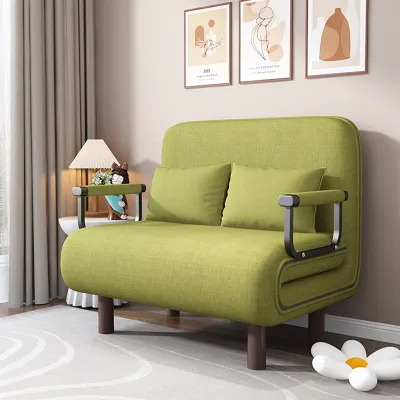
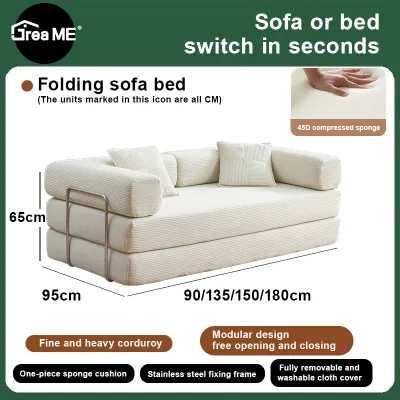

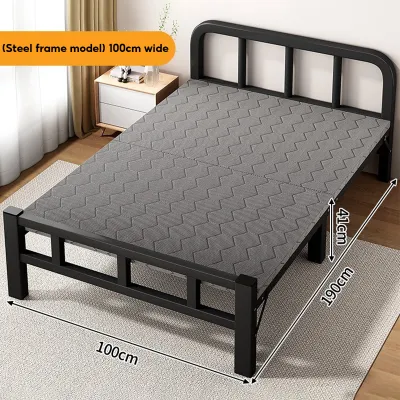
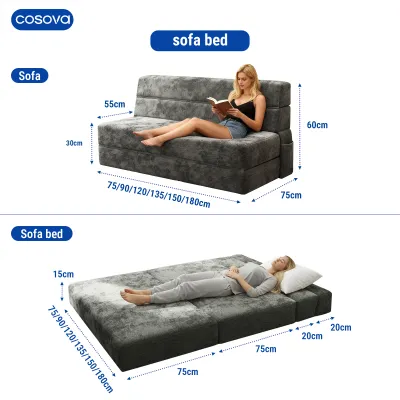
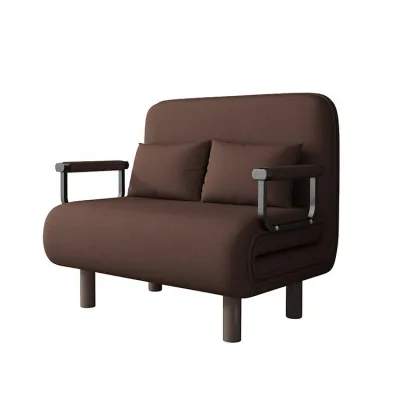
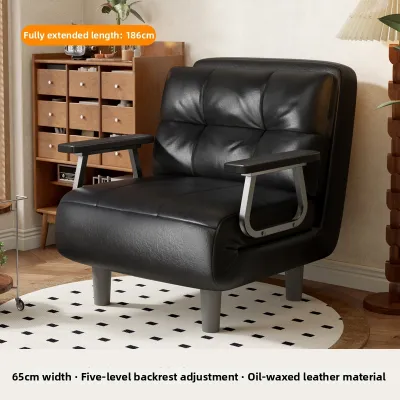
![[AVAILABLE ONHAND] Classic Black Leather Folding Sofa Bed Foldable up to 180 Degree](https://img.lazcdn.com/g/p/56577d29f132e6501a5ea4451c45d397.jpg_400x400q80.jpg_.webp)
Prices are valid at publication and may change. Please refer to the product page for the latest price.
Finally, do not overlook the journey the furniture must take to reach your unit. Measure the clearance of your condo building’s service elevator, the width of the hallways, and the tightest turns in the stairwells. Additionally, measure your own front door frame and any interior doorways. Many homeowners purchase a beautifully sized sofa bed only to find it cannot clear the elevator ceiling or the entry door frame during delivery, resulting in costly return fees.
Choosing the Right Sofa Bed Size for Your Floor Plan
Sofa beds come in several standard categories, each suited to different layout configurations within a 20 square meter space. Understanding these categories helps you match the furniture to your specific floor plan and daily lifestyle.

A compact sleeper or “chair-and-a-half” model is an excellent choice for narrow walls or highly restricted layouts. These units typically measure under 120 cm in width and unfold into a single or twin-sized bed. They work exceptionally well if the sofa bed is intended only for occasional overnight guests, allowing you to maximize floor space for other furniture like a dining set or a work-from-home desk.
An apartment-sized or small double sleeper, ranging from 130 cm to 150 cm in width, offers the most balanced solution for a standard condo living room. This size comfortably seats two adults during the day and unfolds into a double bed at night. It fits neatly against a standard condo wall without dominating the entire room, leaving sufficient breathing room for a small coffee table and a television console.
A standard full or queen-size sleeper, which can exceed 170 cm to 200 cm in width, is generally only viable if your 20 square meter room features an open-concept layout with minimal other furniture. Choosing this larger size requires you to sacrifice other elements, such as large accent chairs or sideboards. If you opt for a queen sleeper, ensure the rest of your furniture is lightweight and easily movable to accommodate the massive footprint when the bed is deployed.
Planning Clearance for Folded and Unfolded States
A common pitfall in small-space design is only planning for how the sofa looks when folded. In a 20 square meter condo, you must design for both states to maintain a functional home. When the sofa is folded, aim for a minimum walkway clearance of 60 cm to 75 cm in front of and around the piece to allow for comfortable, unhindered movement.
When you prepare to unfold the bed, the depth requirement changes dramatically. A standard pull-out or fold-down mechanism can extend the total depth of the unit to 200 cm or more from the wall. Measure this extended distance carefully to ensure the mattress does not block access to balcony doors, kitchen counters, or bathroom entryways. Blocking these areas can create safety hazards during the night.
Additionally, account for the swing radius of nearby doors, wardrobe cabinets, or low-hanging windows. A wardrobe door that cannot open because it hits the edge of the unfolded mattress will quickly become a daily frustration. Ensure that any surrounding furniture can either remain functional or be easily shifted aside when the sleeping platform is fully extended.
Space-Saving Features That Reduce the Physical Footprint
When square footage is limited, every centimeter counts. Look for structural design features that minimize the physical footprint of the sofa bed without sacrificing the actual sleeping surface.
First, pay close attention to the armrests. Bulky, rolled, or heavily padded arms can add 20 cm to 40 cm of unnecessary width to the frame without adding a single centimeter to the seating or sleeping area. Choosing a track-arm, slim-profile, or armless design maximizes the usable mattress size while keeping the overall frame as narrow as possible.
Second, consider models that feature built-in storage compartments. Many chaise-style or click-clack sofa beds include hidden storage beneath the seating cushions. In a compact condo, this extra space is invaluable for storing pillows and bed linens, eliminating the need for an extra storage chest.
Finally, compare the folding mechanisms. A classic pull-out metal frame requires significant forward clearance, whereas a click-clack or fold-down futon style might require you to pull the sofa slightly away from the wall to operate. A drawer-style trundle bed slides forward easily and often requires less vertical clearance, making it a highly practical option for quick transitions.
Common Sizing Mistakes That Make Small Rooms Feel Cramped
Avoiding common purchasing errors can save you from a costly and frustrating return process. One of the most frequent mistakes is buying a sofa bed based solely on the advertised mattress size. A “double” sofa bed does not automatically have the exterior dimensions of a standard double bed; the frame, armrests, and reclining mechanism can add significant bulk. Always verify the finished, outer dimensions of the entire frame in both its folded and unfolded states.
Another oversight is neglecting the delivery route. If the sofa bed frame is a single, non-demountable piece, it may not fit through your front door or tight elevator doors. Always check if the legs, arms, or backrest can be detached for easier transport and assembly.
Lastly, placing the sofa bed flush against the wall without checking the mechanism’s requirements can prevent it from opening. Some models require a clearance of 10 cm to 20 cm behind the backrest to recline or unfold. Forcing the sofa against the wall can scratch your paint or damage the mechanism over time. In humid tropical climates, leaving a small gap behind the sofa also promotes air circulation, helping to prevent moisture buildup and mold on the back of the upholstery.
Frequently Asked Questions (FAQ)
Can a queen-size sofa bed fit in a 20 sqm living room?
While a queen-size sofa bed can physically fit into a 20 square meter room, it is rarely practical. A queen frame typically dominates the space, leaving very little room for walkways, television consoles, or dining furniture. When unfolded, it can completely block the flow of the room. For most condo layouts of this size, an apartment-sized double or a full-size sleeper is a much more functional choice for daily living.
How much space should I leave between the sofa bed and the coffee table?
For daily use when the sofa is folded, leave a distance of 35 cm to 45 cm between the sofa cushions and the coffee table. This provides comfortable legroom while keeping drinks and books within easy reach. However, when you unfold the bed, you will need to move the coffee table entirely. Opting for a lightweight, easily movable coffee table or a set of nesting tables makes this daily transition quick and effortless.
Community discussion
Share your experience or ask a question. Comments are reviewed before publication.