
For a typical 20 square meter (sqm) condo living room in the Philippines, where space is at a premium and tropical humidity calls for breathable layouts, the ideal sofa seat cushion size balances physical comfort with visual openness. Generally, a seat cushion depth of 50 to 55 centimeters (cm) and an individual cushion width of 60 to 70 cm work best. This configuration provides comfortable thigh support for most adults without pushing the overall sofa footprint too far into the room’s central walkway. By keeping the cushion dimensions compact yet ergonomic, you can prevent your living area from feeling cramped while ensuring a cozy spot to unwind.
Assessing Usable Sofa Space in a 20 sqm Living Room
Before purchasing any furniture, calculate the actual floor space available in your condo. A 20 sqm living room often shares its footprint with a dining area or kitchen entryway, meaning the net usable space for your seating is smaller than the total area. Measure the main wall where you plan to place the sofa, and subtract the space required for TV consoles, side tables, and standing fans.
Next, map out traffic flow. Walkways must remain clear to allow comfortable movement. Maintain a clearance of at least 60 to 75 cm between the edge of your sofa seat cushions and any facing furniture, such as a coffee table. If the sofa is near a balcony door or entryway, ensure there is at least 90 cm of clearance so doors can swing fully open. This calculation gives you the maximum allowable length and depth for your sofa frame, which directly dictates the size of the cushions you can accommodate.
Products mentioned in this guide
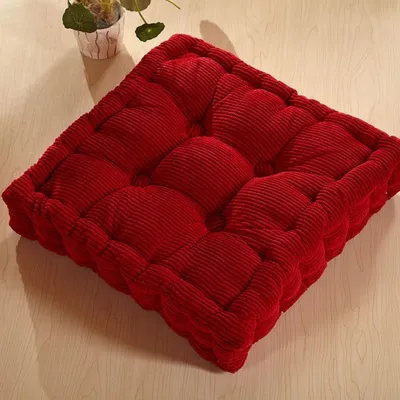


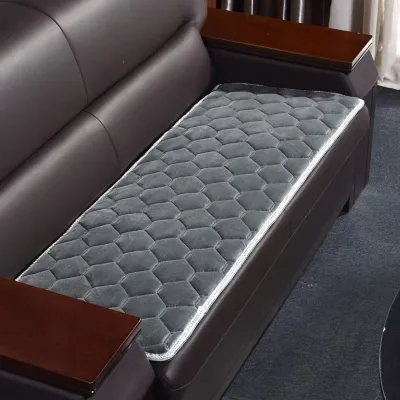
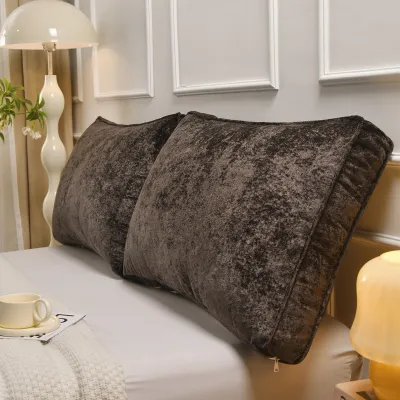
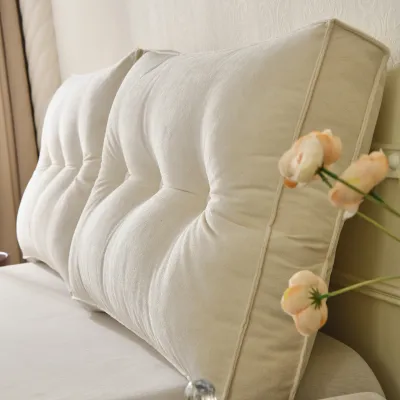
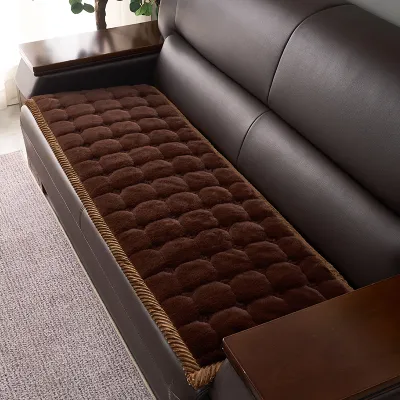
Prices are valid at publication and may change. Please refer to the product page for the latest price.
Key Sofa Seat Cushion Dimensions and Proportions
The dimensions of your sofa seat cushion are inextricably linked to the overall frame design. While it is tempting to focus solely on the exterior measurements of the sofa, the cushion proportions determine how the piece actually functions in a small room. Achieving the right balance involves understanding how cushion depth, width, and thickness interact with the frame to provide ergonomic support without creating an overbearing visual presence.

Seat Depth and Overall Sofa Footprint
The depth of a sofa seat cushion is the primary driver of the furniture’s overall footprint. A standard sofa often features a deep seat cushion of 60 cm or more, which translates to an overall sofa depth of nearly 100 cm once you account for the backrest. In a 20 sqm condo, a sofa this deep can easily swallow up the central walkway, leaving little room for a coffee table.
To preserve floor space, look for shallower seat cushions with a depth of 50 to 55 cm. To verify if a shallower seat is comfortable, sit upright and check your knee clearance. Your knees should bend comfortably at a 90-degree angle with a small gap between the back of your knees and the front edge of the cushion, while your lower back remains fully supported. A shallower seat depth is highly recommended if your living room layout requires the sofa to face a narrow passage.
Seat Width and Room Balance
Determining the total width of your sofa seat cushions requires looking at the wall space behind the sofa. If your designated sofa wall is 2.5 meters long, avoid filling the entire length with seating. Instead, leave at least 30 to 45 cm of negative space on either side of the sofa. This open area prevents the room from looking overcrowded and provides space for a slim floor lamp or a small side table.
Once you have your target sofa width, decide how to divide that space into individual seat cushions. For instance, a total seating width of 150 cm can be split into two 75 cm cushions or three 50 cm cushions. Alternatively, a single continuous bench cushion can span the entire length. A single bench cushion offers a clean, uninterrupted horizontal line that can make a small room feel wider, whereas multiple individual cushions can sometimes look busy. Ensure individual cushion widths do not fall below 50 cm to maintain comfortable daily use.
Cushion Thickness and Visual Weight
The thickness and fill density of your sofa seat cushion play a major role in how heavy the furniture looks. Thick, plush cushions that overflow the frame can make a sofa look bulky, visually shrinking a 20 sqm room. On the other hand, thinner cushions made from high-density foam offer a streamlined, modern aesthetic that keeps the room feeling light and airy.
Opting for a lower-profile seat cushion—typically between 10 to 12 cm thick—can make your condo’s ceiling feel higher because it lowers the overall height of the seating platform. However, there are trade-offs to consider. While thin, high-density foam cushions maintain their shape and provide excellent support, they may feel firmer than thick, down-filled alternatives. If you prefer a softer feel, look for cushions that combine a high-density foam core with a thin, soft wrap, ensuring you get both the low-profile look and long-term seating comfort.
Measurement and Layout Checklist for Small Condos
To ensure your chosen sofa seat cushion dimensions work perfectly in your actual space, follow this practical verification checklist before making a purchase:
- Tape the Footprint: Use painter's tape or lay down flattened cardboard boxes on your living room floor to match the exact dimensions of the prospective sofa. Walk around this mock-up for a few days to ensure it does not block pathways, balcony access, or dining chairs.
- Measure the Delivery Path: A sofa that fits your living room is useless if it cannot reach your unit. Measure the height and width of your condo building's elevator door, the interior cabin space, tight stairwell turns, and your front door frame. If clearances are tight, consider a sofa with removable seat cushions, removable legs, or a modular design.
- Check Wall Obstacles: Verify where the sofa backrest will sit in relation to wall fixtures. Ensure it does not block electrical outlets, light switches, internet ports, or low-hanging window sills. If you plan to mount a television, check that the seated eye level aligned with the cushion height is comfortable.
Common Sizing Mistakes for Small Space Seat Cushions
One of the most frequent mistakes condo owners make is purchasing a standard-sized sofa from a showroom without measuring their specific layout. Showrooms have high ceilings and vast open spaces that make large, deep-cushioned sofas look deceptively small. When placed in a 20 sqm condo, these same sofas can quickly overwhelm the room.
Another common error is ignoring the width of the sofa’s armrests when calculating the usable seat cushion width. If a sofa has a total width of 180 cm but features wide, puffy armrests that take up 30 cm on each side, the actual seating area is reduced to just 120 cm. For small spaces, look for track arms or armless designs to maximize the cushion space while keeping the overall footprint small. Finally, avoid the temptation to maximize seating capacity by squeezing a large three-seater or L-shaped sectional into a tight corner. Prioritizing proportional room balance over extra seats will make your living room far more functional.
Frequently Asked Questions (FAQ)
Can I replace my existing sofa seat cushions with thinner ones to save space?
Replacing your original sofa seat cushions with thinner alternatives is possible, but you must first inspect the sofa’s internal frame and support system. If your sofa uses a sag-resistant spring system or tension webbing that is visible when the cushions are removed, a thinner cushion might not provide enough barrier, causing you to feel the hard frame when sitting. Additionally, reducing the cushion thickness lowers the overall seat height, which can alter the ergonomic angle of the backrest and make it harder to stand up. Before ordering custom thin cushions, consult the furniture manufacturer or a professional upholsterer to ensure the frame can support a lower-profile setup comfortably.
Do bench-style seat cushions make a 20 sqm room look bigger?
Yes, bench-style seat cushions can help make a 20 sqm condo living room look larger and less cluttered. Because a single continuous cushion eliminates the vertical seams and gaps found between individual cushions, it creates a clean, horizontal line that draws the eye smoothly across the room. This minimalist look reduces visual noise, which is highly beneficial in small spaces. However, keep in mind the practical trade-offs: a single long cushion can sometimes shift or lift at one end when someone sits on the other, and cleaning spills can be more challenging since you cannot simply flip or wash one small section. Ultimately, while a bench cushion enhances the illusion of space, the overall depth and length of the sofa frame remain the most critical factors for room balance.

Community discussion
Share your experience or ask a question. Comments are reviewed before publication.