
Finding the right inclining chair in the Philippines requires navigating a wide range of price points, from budget-friendly ₱3,000 entry-level models to premium ₱15,000 ergonomic setups. At the lower end, you are primarily paying for essential safety and a basic upright-or-recline tilt. As you move toward the ₱15,000 mark, your investment unlocks advanced synchronous tilt mechanisms, weight-adaptive tension, and highly adjustable ergonomics that support long working hours in humid tropical conditions.
Understanding what features are realistic at each price tier prevents buyer’s remorse. A chair is an investment in your physical health, and prioritizing the right mechanical features over superficial aesthetics ensures your chair remains supportive for years. Here is a comprehensive breakdown of what to expect, what to verify, and what to compromise on across the three major local price tiers.
Setting Your Budget Priorities for an Inclining Chair
When shopping for an inclining chair, your primary decision logic should balance recline smoothness, ergonomic adjustability, and long-term material durability. It is easy to get distracted by extra features like built-in footrests, vibrant colors, or thick decorative pillows. However, at any budget under ₱15,000, these aesthetic additions often come at the expense of structural integrity and mechanical safety.
Products mentioned in this guide
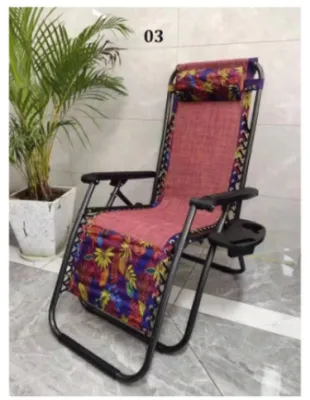
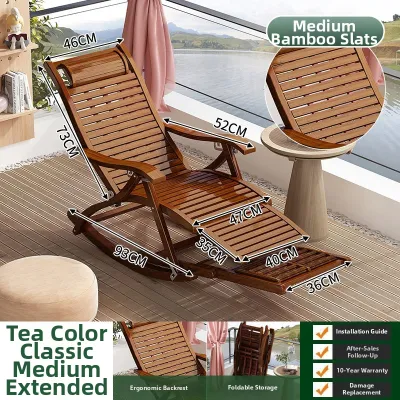
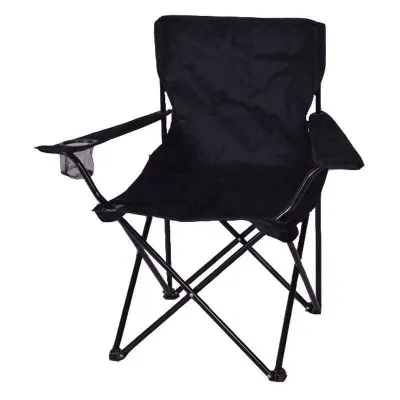
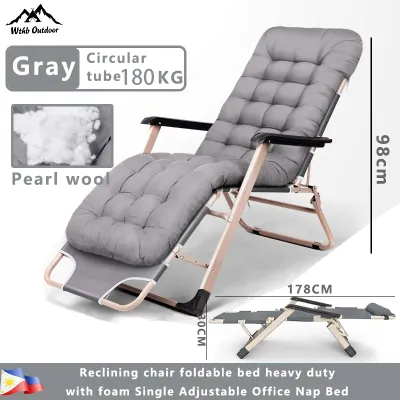
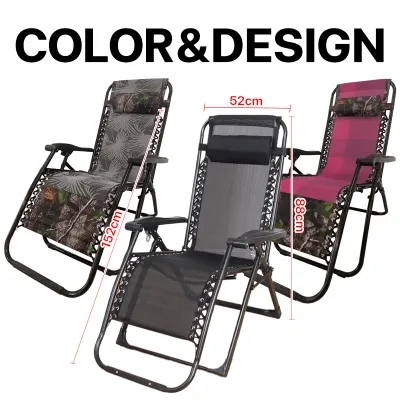
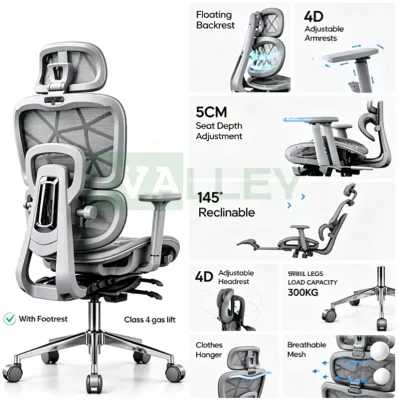
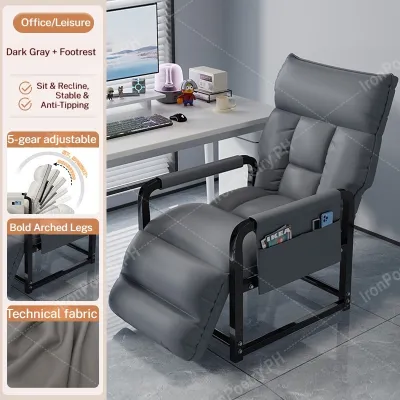
Prices are valid at publication and may change. Please refer to the product page for the latest price.
A higher budget shifts the engineering focus from basic safety and simple single-joint tilting to refined, health-supportive movement. In the lower tiers, you must prioritize a certified gas lift and a stable base. As you ascend toward ₱15,000, your focus should transition to synchronous tilt mechanisms, adjustable lumbar support, and high-elasticity mesh that handles heat and humidity without sagging.
Always prioritize the quality of the tilt mechanism and the safety rating of the gas lift cylinder over cosmetic additions. A high-quality basic chair with a certified gas lift will outlast a feature-heavy, uncertified chair that loses its tension or structural stability within a few months of daily use.
The ₱3,000 to ₱5,000 Tier: Basic Recline and Essential Safety
In the entry-level ₱3,000 to ₱5,000 price range, the mechanical features of an inclining chair are highly simplified. You should expect a basic spring-loaded tilt or a simple knee-tilt mechanism. In these designs, the seat pan and the backrest are locked together as a single unit; when you recline, the entire chair tilts backward, which naturally lifts your knees and can pull your feet off the floor. Multi-position locking is almost non-existent in this tier; the chair is typically either locked in a strict upright position for working or left completely unlocked to free-float with spring tension.

The ergonomics and materials in this bracket are functional but basic. You will generally find fixed armrests or simple height-adjustable T-arms made of hard plastic. The seat cushion is usually composed of standard molded foam wrapped in fabric, while the backrest utilizes a standard polyester mesh. Lumbar support in this tier is rarely adjustable; instead, it is typically a fixed plastic curve molded directly into the backrest frame, which may or may not align perfectly with your spine.
To stay within this budget, you must be prepared to compromise on advanced features. Do not expect adjustable headrests, 3D or 4D armrests, or highly sensitive tilt-tension adjustments. The tension knob under the seat will have a limited range, meaning lighter users may struggle to recline, while heavier users might feel like they are falling backward too quickly.
Safety must remain your non-negotiable priority in this entry-level tier. Insist on a Class 3 or Class 4 certified gas lift cylinder, which is designed to handle daily pressure changes safely. Always check the product description or ask the seller for the steel thickness of both the star base and the under-seat mechanism plate. Avoid chairs that use cheap, thin plastic star bases in this price range, as they are prone to cracking under shifting weight; instead, look for reinforced nylon or steel bases.
The ₱6,000 to ₱10,000 Tier: Adjustable Ergonomics and Smoother Tilt
Stepping up to the mid-range ₱6,000 to ₱10,000 tier introduces a significant upgrade in both mechanical refinement and ergonomic adjustability. The recline mechanism in this range typically features multi-position recline locking, allowing you to lock the backrest at three or four distinct angles. This is paired with an improved tilt-tension knob that offers a wider, more responsive range of resistance, making the recline transition feel smooth and controlled rather than sudden.
Ergonomics and materials see a substantial boost in quality. You can expect independent lumbar support systems that allow you to adjust either the height or the depth of the lumbar pad to match your lower back curve. Armrests transition from fixed designs to 3D armrests, which adjust for height, slide forward and backward, and pivot inward or outward to support your forearms during different tasks. Cushions feature higher-density foam that resists flattening, and some models even offer entry-level full-mesh designs that promote excellent airflow in warm environments.
However, some compromises remain necessary even in this mid-tier bracket. True synchronous tilt—where the seat pan tilts at a much shallower angle than the backrest to keep your feet flat—is still rare or highly simplified. Instead, you will likely encounter advanced knee-tilt or basic synchro-tilt mechanisms that still cause a slight upward lift of the seat front. Additionally, premium imported elastomeric mesh is unlikely; the mesh used will be durable but may feel stiffer or slightly more abrasive to the touch.
When evaluating chairs in this tier, focus on specific verification points. Read user reviews or test the chair to observe the upward tilt of the seat edge when reclining. If the front edge rises too high, it can press against the underside of your thighs, cutting off circulation during long sitting sessions. Furthermore, ensure that any mesh seat or backrest is secured within a reinforced, double-walled frame to prevent the material from sagging and losing its supportive tension over time.
The ₱11,000 to ₱15,000 Tier: Advanced Mechanisms and Premium Build
At the upper-mid to premium ₱11,000 to ₱15,000 tier, the inclining chair becomes a highly engineered piece of ergonomic furniture. The standout feature in this range is a true synchronous tilt mechanism. This system maintains a 2:1 or 3:1 recline ratio, meaning that for every two degrees the backrest reclines, the seat pan tilts up by only one degree. This biomechanical alignment keeps your feet flat on the floor, stabilizes your pelvis, and prevents your shirt from pulling out of your waistband. Many models in this tier utilize advanced wire-controlled chassis or fiberglass spring mechanisms, providing a linear, weight-adaptive recline that feels weightless and smooth.
The materials and adjustability options in this tier are top-tier for the local market. You will find highly adjustable 4D or 5D armrests that slide, pivot, and adjust in height and width. Headrests are multi-dimensional, adjusting for both height and angle to cradle your neck. The mesh used is typically a high-elasticity, imported blend that conforms perfectly to your body shape and quickly recovers its original tension. Seat depth adjustment also becomes a standard feature, allowing you to slide the seat pan forward or backward to accommodate different thigh lengths.
While this tier represents the premium end of the local market, it is important to manage expectations regarding international flagship brands. You will not find imported designer chairs with twelve-year warranties in this bracket. However, you will get exceptional local value, robust build quality, and heavy-duty components designed to withstand years of intensive daily use.
Before finalizing a purchase in this premium tier, verify the manufacturer’s specified weight capacity and check the exact terms of the warranty. Ensure the warranty explicitly covers the complex moving parts—such as the synchronous tilt mechanism, the seat slide slider, and the high-tension mesh—rather than just covering the basic metal frame or the gas lift cylinder.
Hidden Costs, Assembly, and Quality Traps to Avoid
When buying an inclining chair online or from local distributors, the listed price is rarely the final cost. Heavy ergonomic chairs require substantial packaging, which can lead to high shipping fees, especially if you live outside major metropolitan areas. Always check whether the seller offers free shipping, whether the chair arrives fully assembled, or if you will need to pay extra for professional assembly services to avoid damaging the complex mechanical linkages during a DIY setup.
Be highly vigilant against “false recline” designs, which are common quality traps in lower-priced chairs. In a false recline design, the backrest hinges backward from a single pivot point high up on the frame, while the seat pan remains completely static. This mimics the look of a recline but causes severe lower back strain, gap-creation behind your lumbar region, and uncomfortable shirt pulling because the chair does not mimic the natural pivot point of your hips.
Finally, do not fall for deceptive warranty traps. A seller advertising a “five-year warranty” may only cover the structural steel frame against welds breaking. Read the fine print to confirm that the moving parts—including the casters, the gas lift cylinder, the mesh tension, and the internal tilt mechanism springs—are covered for a reasonable period, as these are the components most likely to experience wear and tear over time.
Frequently Asked Questions (FAQ)
Is a synchronous tilt mechanism worth the extra cost?
Yes, a synchronous tilt mechanism is highly recommended if you spend long hours in your chair or frequently recline for micro-breaks. By tilting the backrest at a faster rate than the seat pan, it keeps your feet flat on the floor and prevents the front edge of the seat from pressing into the back of your thighs. This maintains healthy blood circulation, stabilizes your pelvis, and reduces spinal compression, making it a critical feature for long-term comfort.
How can I verify the safety of the chair's gas lift cylinder?
To verify the safety of a gas lift cylinder, look for the Class 3 or Class 4 rating engraved directly into the metal of the cylinder body. You can also check the manufacturer’s product specifications for official certifications from independent testing bodies such as SGS, TÜV, or BIFMA. Avoid any chair that features an unbranded cylinder or one completely encased in plastic without a visible metal stamp, as these lack verified safety standards.
Community discussion
Share your experience or ask a question. Comments are reviewed before publication.