
Choosing between an indoor and outdoor fountain water falls display for your Ber months home refresh comes down to assessing your physical space, utility access, and the specific holiday atmosphere you want to create. As the festive season approaches in the Philippines, adding the soothing sound of cascading water can elevate your home’s ambiance, making it feel more welcoming for family gatherings and quiet evenings alike. However, neither option is a universal solution for every household. Indoor setups are engineered to prioritize strict splash control, quiet motor operation, and compact footprints suitable for climate-controlled rooms. Conversely, outdoor displays require weather-resistant construction, robust power connections, and stable foundations to withstand the elements on patios, terraces, or gardens. By evaluating your intended placement location against these practical factors, you can select a water feature that remains safe, functional, and beautiful throughout the holidays and beyond.
Evaluating Your Space and Placement Constraints
Before purchasing a fountain water falls display, you must thoroughly evaluate the physical constraints of your intended installation site. Begin by measuring the exact footprint of the area where the fountain will sit, ensuring there is ample clearance around the unit for foot traffic and routine cleaning. It is equally critical to plan the delivery route. Large, heavy stone or resin fountains often arrive fully assembled or in bulky sections. You must verify the dimensions of your doorways, staircases, elevator cabins, and hallway corners to ensure the delivery team can safely transport the unit to its final destination without damaging your walls or the product itself.
Weight is another vital structural consideration that is frequently overlooked. A fountain’s dry weight represents only a fraction of its total operating weight. Once you fill the reservoir with water and add decorative river stones, the load increases significantly. For indoor placements on upper floors or outdoor setups on elevated balconies, you must verify the structural load capacity of your floor joists or concrete slabs. A standard concrete balcony in a residential building has specific weight limits that should never be exceeded. If you are planning a large, multi-tier display, consult your building’s structural guidelines or a qualified engineer to ensure your floor can support the concentrated weight.
Products mentioned in this guide
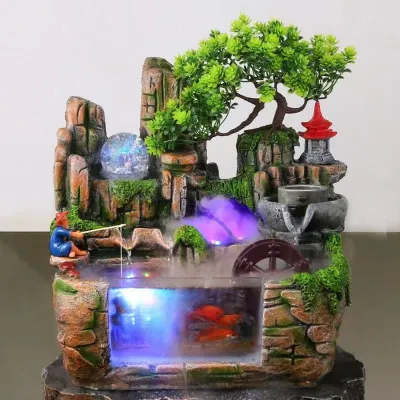
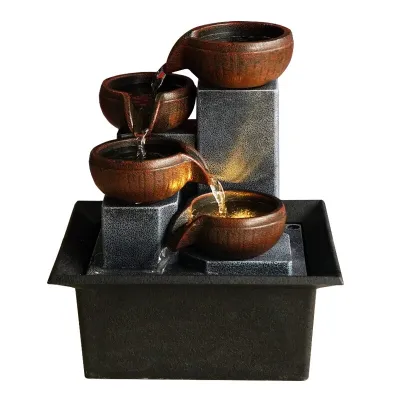
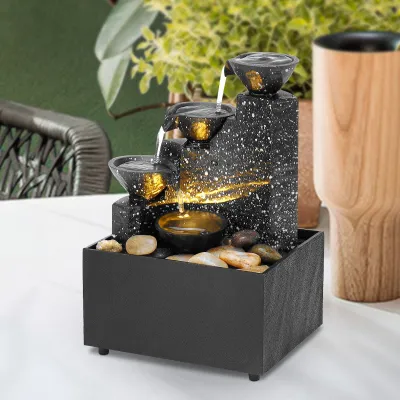
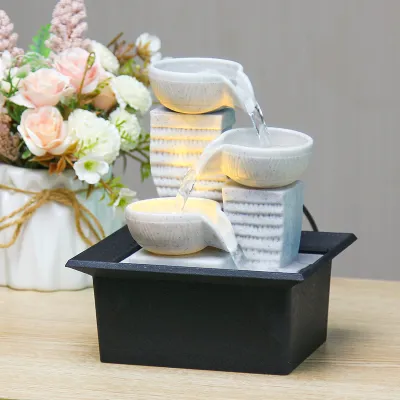
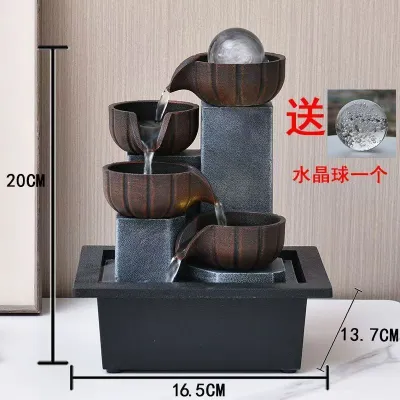
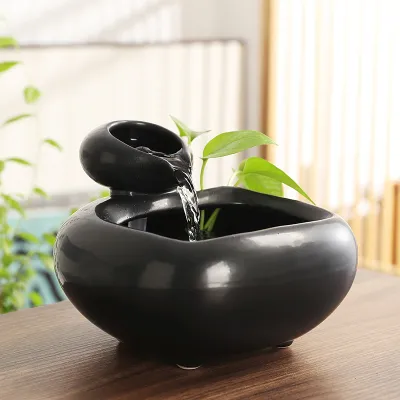
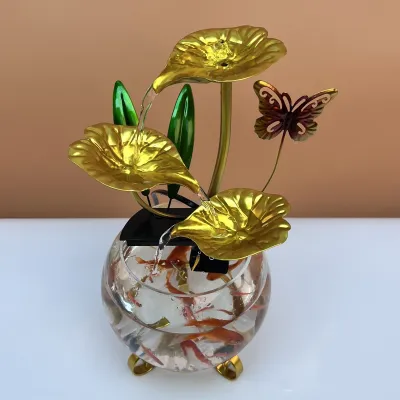
Prices are valid at publication and may change. Please refer to the product page for the latest price.
For outdoor installations, you must also assess the site’s exposure to natural elements. In the Philippines, the Ber months bring a unique combination of intense tropical sunlight, high humidity, and sudden, heavy downpours. High winds can easily blow water out of a cascading fountain, leading to rapid water loss and potential pump damage. Direct sunlight not only accelerates water evaporation but also promotes rapid algae growth and can cause certain materials to fade or crack over time. Choosing a sheltered spot, such as a covered patio or a semi-shaded garden nook, can help mitigate these environmental challenges and protect your investment.
Power, Water Access, and Routine Maintenance
Operating a fountain water falls display safely requires careful planning of your utility access. Both indoor and outdoor models rely on a continuous electrical supply to run the recirculating pump. For outdoor setups, proximity to a grounded, weatherproof GFCI (ground fault circuit interrupter) outlet is non-negotiable. Running standard indoor extension cords across wet grass, open patios, or garden beds poses a severe electrical hazard. If you must use an extension cord, ensure it is explicitly rated for outdoor use, features a heavy-duty jacket, and has all connection points elevated off the ground inside a weatherproof protective cover.

Water access and splash management are equally important for long-term enjoyment. Fountains lose water daily through evaporation, a process accelerated by the warm tropical climate. You must have a convenient way to top off the water level, whether by manual carrying with a watering can or using a nearby garden hose. Additionally, you must plan for the splash zone. Even fountains designed with excellent splash containment can produce a fine, microscopic mist that settles on surrounding surfaces. Indoors, this moisture can warp hardwood floors, damage laminate, or cause mold on nearby drywall. Outdoors, constant moisture can make wooden decking slippery or cause stone tiles to develop slick moss.
Routine maintenance is the key to preventing pump failure and keeping your water display pristine. In humid environments, algae and mineral deposits can accumulate rapidly, clogging the pump’s intake filter and straining the motor. You should plan to inspect the pump filter weekly, clearing away any fallen leaves, dust, or pet hair. Keep the water level consistently above the pump’s minimum intake line; running a pump dry will quickly burn out the motor. Regularly treating the water with a safe, non-foaming clarifier can help prevent mineral buildup and keep the water crystal clear for your holiday guests.
Designing the Ambiance for Your Ber Months Refresh
The Ber months are synonymous with warmth, hospitality, and festive decorating. Integrating a fountain water falls display into your home refresh allows you to create a multi-sensory experience that complements your existing furniture and holiday theme. When selecting a fountain, match its material, finish, and scale with your current decor. A sleek, dark slate or ceramic tabletop fountain fits seamlessly into a modern indoor living room, sitting elegantly alongside a decorated Christmas tree or on a console table. For outdoor spaces, a larger, rustic faux-stone or concrete fountain can serve as a dramatic focal point, anchoring your patio furniture and garden pathways.
The auditory impact of the water flow is another crucial design element. Water sounds can range from a gentle, meditative trickle to a loud, rushing cascade. For indoor environments, a loud splashing sound can quickly become intrusive, drowning out television audio or family conversations. Look for indoor models that feature adjustable flow valves, allowing you to fine-tune the water speed, or designs where the water glides smoothly over textured surfaces rather than dropping vertically. Outdoors, a more robust, splashing sound is often preferred, as it helps mask ambient street noise, barking dogs, or neighborhood traffic, creating a peaceful oasis in your backyard.
Safety must remain a priority when blending your water feature with seasonal decorations. If you plan to adorn your fountain with holiday garlands, ribbons, or string lights, ensure they are kept at a safe distance from the water. Never drape non-waterproof electrical decorations over or near the fountain’s splash zone. Ensure that lightweight decorative items, such as artificial snow, paper ornaments, or tinsel, are securely anchored so they cannot blow into the water reservoir. If these materials find their way into the basin, they can quickly clog the pump intake, leading to overheating and potential electrical hazards.
Side-by-Side Comparison of Key Setup Factors
To help you decide which type of fountain water falls display is right for your home, it is helpful to compare their primary characteristics side by side. While both types of displays serve to beautify your living space, they are engineered with different operational priorities and material tolerances.
| Feature | Indoor Fountain Display | Outdoor Fountain Display |
|---|---|---|
| Primary Placement | Climate-controlled rooms, entryways, hallways | Patios, gardens, open-air balconies, terraces |
| Power Requirements | Standard indoor grounded outlet | Weatherproof GFCI outlet, outdoor-rated cords |
| Splash Control | High (engineered to prevent floor damage) | Moderate to Low (wind can disperse mist) |
| Maintenance Needs | Low (dusting, occasional water top-offs) | High (debris removal, algae control, frequent top-offs) |
| Acoustic Profile | Quiet, adjustable trickle | Louder cascade to mask ambient outdoor noise |
As shown in the comparison, outdoor models require highly durable, UV-stabilized materials and moisture-resistant finishes to prevent cracking, fading, and peeling under the intense tropical sun and heavy seasonal rains. Indoor models, on the other hand, prioritize whisper-quiet motors and precise water flow paths to ensure that no water escapes the basin. When shopping, do not assume a fountain’s suitability based solely on its appearance. Always check the manufacturer’s product label for specific electrical safety certifications and clear indications of whether the unit is rated for indoor use, outdoor use, or both.
Final Decision Checklist for Your Home
To make your final placement and purchase decision, use this practical framework to evaluate your specific home conditions and lifestyle preferences.
Choose an indoor fountain display if:
- Your intended placement area is fully climate-controlled, draft-free, and protected from wind.
- You require strict splash prevention to protect sensitive indoor flooring, such as hardwood, laminate, or carpet.
- You prefer a low-maintenance, quiet decorative accent that serves as a subtle background element.
- Your available space is limited, and you need a compact unit that fits easily on a tabletop or shelf.
Choose an outdoor fountain display if:
- You want to enhance an open-air patio, garden, or veranda where holiday gatherings will take place.
- You have direct access to a dedicated, weatherproof GFCI outlet and can safely route outdoor-rated power cords.
- You want a larger, more dramatic visual statement that can withstand exposure to sun, rain, and wind.
- You prefer a louder water sound to mask external neighborhood noises and create an outdoor sanctuary.
If your intended placement location lacks proper electrical grounding, cannot support the estimated wet weight of the unit, or if the product packaging lacks clear weather-resistance specifications, stop the installation. Consult the manufacturer’s manual or contact a qualified professional, such as a licensed electrician or structural engineer, to ensure a safe and successful setup.
Frequently Asked Questions (FAQ)
Can I use an indoor fountain outside during the holidays?
No, you should not use an indoor-rated fountain in an outdoor environment, even temporarily during the holiday season. Indoor models are not built to withstand outdoor conditions; they typically lack UV-stabilized coatings, weather-sealed pumps, and rust-resistant hardware. Exposing an indoor fountain to direct sunlight can cause the materials to degrade, crack, or fade rapidly. More importantly, exposing a non-weatherproof pump and electrical connections to rain, dew, or high humidity poses a severe risk of short circuits, electrical shock, or fire. Always check the manufacturer’s safety label to verify the unit’s rating before placing it outdoors.
How do I protect an outdoor fountain's pump from power fluctuations?
To protect your outdoor fountain’s pump from power fluctuations, which are common during seasonal storms, always plug the unit into a high-quality, outdoor-rated surge protector. Ensure that the surge protector and all electrical connections are housed inside a weatherproof junction box elevated well above the ground to prevent water ingress from heavy rain or splashing. Avoid overloading the circuit by sharing it with high-draw holiday lighting displays. If you are unsure about your home’s electrical capacity or local safety codes, consult a qualified electrician to install a dedicated outdoor circuit.
What should I check before assembling a large water display on a balcony?
Before assembling a large water display on a balcony, you must verify the balcony’s maximum weight capacity. Calculate the total operating weight by adding the dry weight of the fountain, the weight of the maximum water volume (water weighs approximately 1 kilogram per liter), and any decorative stones or planters. Additionally, check your building’s condominium or homeowner association regulations. Many residential buildings have strict rules regarding water drainage, splash overflow that might affect neighbors below, and noise restrictions for continuous pump hums in shared living spaces.
Community discussion
Share your experience or ask a question. Comments are reviewed before publication.