
To safely support heavy study books on a floating shelf, you need invisible wall brackets with a rated load capacity that exceeds the total weight of your books by a safety margin of at least 20 percent, paired with solid steel support rods that have a diameter of at least 10mm to 12mm and extend through at least two-thirds of the shelf’s depth. The exact specifications depend heavily on your wall material, the thickness of your shelf, and how the weight is distributed.
In tropical climates like the Philippines, high humidity can affect wood stability, making precise bracket selection and proper installation even more critical to prevent sagging or warping over time. Heavy textbooks, law books, or medical references can easily weigh down a shelf, turning a stylish home office setup into a safety hazard if the hardware is under-specified.
Understanding Load Capacity for Heavy Study Books
To determine the load capacity you need, start by weighing a small stack of your heaviest study books on a scale, then multiply that average by the total number of books you plan to store on the shelf. A single meter of tightly packed textbooks can easily weigh 20 to 30 kilograms. Once you have this baseline weight, add a safety margin of at least 20 percent to account for future additions or accidental downward pressure when retrieving a book.
Products mentioned in this guide
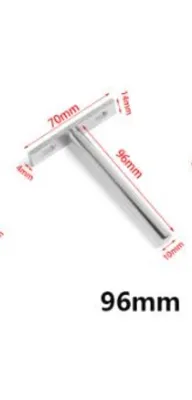

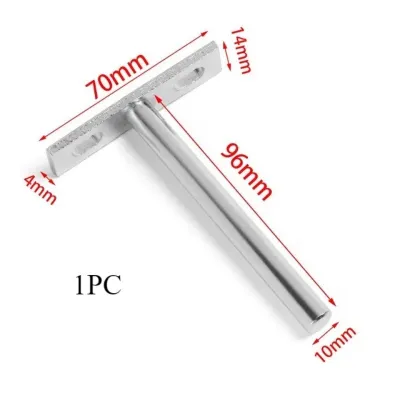
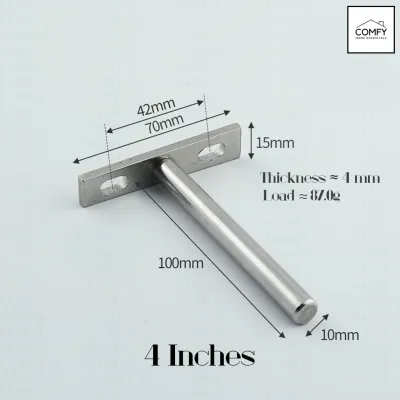
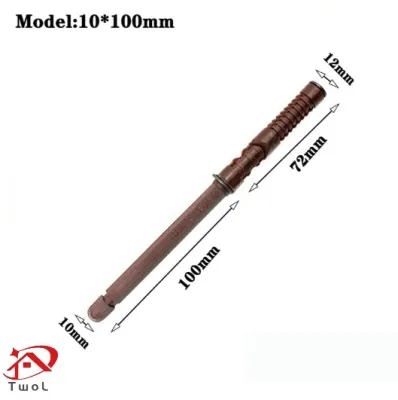
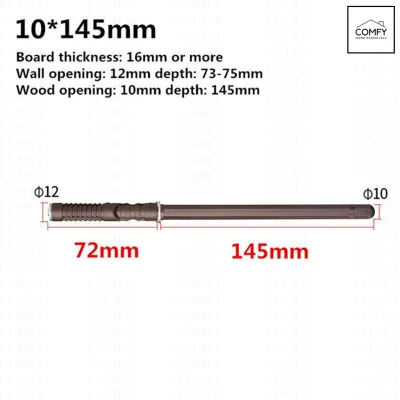
Prices are valid at publication and may change. Please refer to the product page for the latest price.
When shopping for invisible wall brackets, read the manufacturer’s load capacity specifications carefully. Some brands list the weight limit per individual bracket, while others specify the total capacity for a pair of brackets when installed at a maximum distance apart. Always design your setup around the lower limit and verify whether the rating assumes a specific shelf depth, as deeper shelves reduce the bracket’s effective weight capacity.
Weight distribution also plays a critical role in structural safety. Invisible brackets rely on leverage; placing heavy books near the front edge of the shelf exerts significantly more pulling force on the wall anchors than placing them flush against the wall. To maintain stability, always push your heaviest volumes to the back of the shelf and distribute the weight evenly across the entire span.
Choosing the Right Rod Dimensions and Shelf Thickness
The physical dimensions of the bracket’s rod—the metal prong that inserts into the shelf—directly dictate how much weight the shelf can carry without sagging. For heavy study books, look for solid steel rods with a diameter of at least 10mm, though 12mm or 14mm rods offer much greater resistance to bending. The shelf material itself must be thick enough to accommodate these rods; typically, a minimum shelf thickness of 25mm to 40mm is required to ensure there is enough wood surrounding the drilled hole to prevent splitting.

Rod length must be carefully matched to the depth of your shelf. As a general rule, the rod should extend through at least two-thirds of the shelf’s total depth to provide adequate leverage and prevent the front edge from dipping. However, the rod must never be longer than the shelf depth minus 15mm, or you risk the metal tip protruding through the front face during installation.
Before drilling, check the manufacturer’s instructions for the exact drill bit size required. The internal hole in the shelf must match the rod diameter precisely to prevent wobbling. If the hole is too tight, forcing the shelf onto the rod can split the wood, especially in tropical climates where humidity causes natural timber or medium-density fiberboard (MDF) to expand slightly.
Wall Material and Anchoring Requirements
The strength of your invisible wall bracket is only as reliable as the wall it is anchored to. In many homes in the Philippines, walls are constructed from concrete hollow blocks or solid concrete, which provide excellent holding power when paired with the correct expansion anchors. If you are mounting onto concrete, use heavy-duty steel or nylon expansion plugs that match the screw size specified by the bracket manufacturer.
For lightweight partition walls made of gypsum board or fiber cement board on metal studs, the installation process is much more restrictive. Standard drywall plugs or plastic anchors will quickly pull out under the weight of heavy textbooks. If you must install on a framed wall, the mounting plate of the invisible bracket must be screwed directly into the wooden or metal studs behind the wall board.
If your wall structure is compromised, shows signs of moisture damage, or consists of thin plasterboard without accessible studs, it cannot safely support heavy floating shelves. In these situations, attempting to mount heavy books on invisible brackets poses a serious safety risk. You should instead consult a structural professional or opt for a floor-standing bookcase that distributes the weight directly to the ground.
Installation and Safety Checks
Once the bracket is mounted and the shelf is slid into place, perform a thorough physical check before loading any books. The back edge of the shelf must sit completely flush against the wall surface, with no visible gaps or tilting. Ensure the shelf slides smoothly over the rods and locks securely against the internal mounting plate, as any play in the connection will amplify once weight is applied.
Test the installation by applying gradual downward pressure with your hands, watching for any flexing at the wall joint. If you notice any wobble, sagging, or if the mounting plate pulls away from the wall even slightly, remove the shelf immediately. This indicates that either the wall anchors are slipping or the wall material itself is failing to hold the load.
Over time, the constant weight of heavy study books combined with seasonal humidity changes can cause materials to shift. Plan a visual inspection of your floating shelves every few months. Look closely for hairline cracks in the wall plaster around the bracket, gaps opening between the shelf and the wall, or any downward tilt in the shelf profile, and tighten or adjust the hardware as needed.
Frequently Asked Questions (FAQ)
Can I use invisible brackets on drywall for heavy books?
Standard drywall or gypsum board alone cannot support the high leverage and weight of heavy study books on floating shelves. If you must install on drywall, you must secure the bracket’s mounting plate directly into the wooden or metal wall studs behind the board using heavy-duty wood screws. If the stud spacing does not align with your desired shelf position, or if studs are unavailable, you should avoid floating shelves and use a floor-standing bookcase instead.
How far apart should I space the invisible brackets?
For heavy loads, invisible brackets should generally be spaced no more than 400mm to 600mm apart, though you must always defer to the manufacturer’s specific guidelines. Spacing the brackets closer together prevents the shelf material from sagging in the middle under the weight of heavy books. Additionally, ensure the outermost brackets are positioned within 100mm to 150mm of the shelf ends to keep the corners stable and prevent the wood from warping.
Community discussion
Share your experience or ask a question. Comments are reviewed before publication.