
Iron metal bed frames can be a safe, durable, and practical choice for a child’s bedroom, provided they are designed specifically for younger users, assembled correctly, and maintained over time. The material itself is not an inherent hazard for children. Instead, safety depends on structural integrity, proper gap spacing, non-toxic surface finishes, and secure placement within the room. By understanding what to look for, parents can confidently select a frame that offers both a secure sleeping environment and long-lasting support.
Many parents appreciate metal frames for their classic aesthetic, space-saving profiles, and resistance to wear. However, because children use their bedrooms not just for sleeping but also for active play, a standard adult metal frame may not always be suitable. Evaluating a bed frame through a child-safety lens ensures that the furniture supports your child’s daily activities without introducing unnecessary physical risks.
Potential Safety Risks of Iron Metal Bed Frames for Children
While iron is exceptionally strong, its physical properties introduce specific safety considerations in a child’s environment. The most immediate concern is the hardness of the material. Unlike upholstered or softer wooden frames, metal does not absorb impacts. If a child bumps into a sharp corner, a protruding bolt, or a decorative post during active play, the risk of bruises or minor cuts is significantly higher.
Products mentioned in this guide
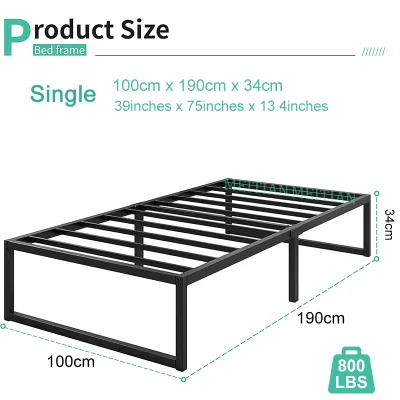
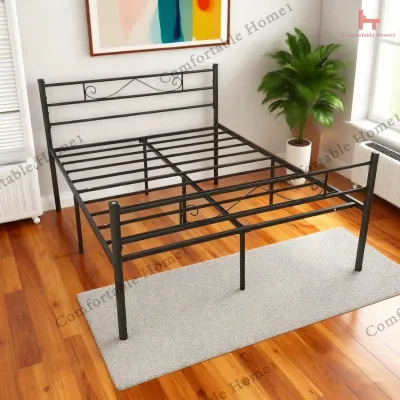
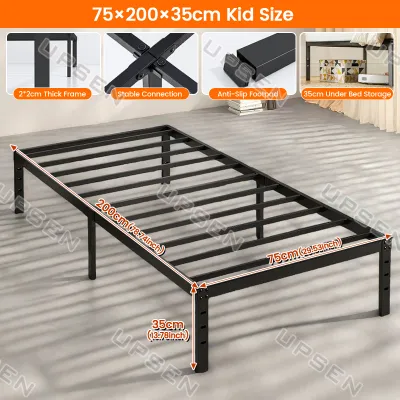
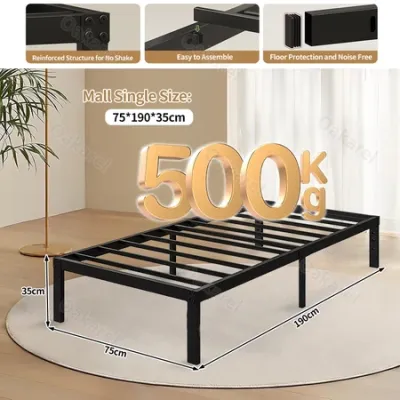
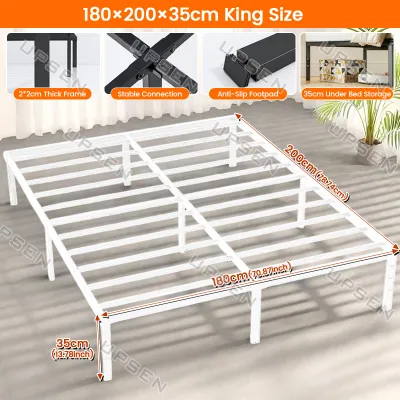
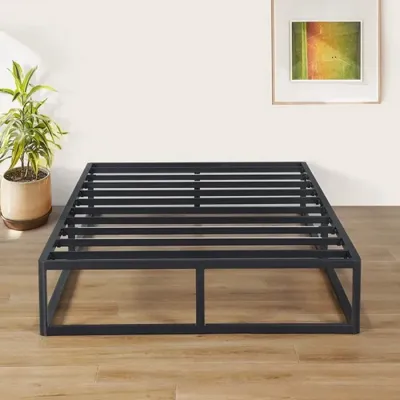


Prices are valid at publication and may change. Please refer to the product page for the latest price.
Pinch points represent another physical hazard. Metal bed frames often feature joints, brackets, or folding mechanisms, especially in designs like trundle beds or daybeds. If these moving parts are accessible to curious fingers, they can cause painful pinches or more serious injuries. Parents must examine how the frame pieces connect and whether any moving components are within reach of a child.
Entrapment risks can also occur in poorly designed metal frames. Classic iron beds often feature decorative scrolls, vertical bars, or geometric patterns in the headboard and footboard. If the gaps between these design elements are too wide, a child’s head, limbs, or torso could become trapped. This risk is particularly critical for toddlers who are transitioning from a crib to a larger bed.
Finally, the thermal conductivity of metal affects daily comfort. Iron reacts quickly to the surrounding room temperature. In a room with strong air conditioning, the metal frame can become uncomfortably cold to the touch, which can disturb a sleeping child who brushes against it. Conversely, if the bed is positioned near a window in a warm, humid climate, the metal can absorb heat from direct sunlight, making the surface uncomfortably hot.
Essential Safety Features to Verify Before Purchasing
Selecting a safe iron bed frame requires looking beyond aesthetics to evaluate the physical construction of the furniture. A pre-purchase inspection helps ensure the frame meets child-safe design criteria before it enters your home.

Structural Stability and Weight Capacity
A child’s bed must withstand more than just quiet sleeping; it must handle the active movements of a growing child. Always check the manufacturer’s specified weight limit for the frame. This limit should comfortably accommodate the weight of the mattress, the child, and any potential growth over the years the bed will be used.
Evaluate the thickness and quality of the metal tubing. Thinner, hollow metal tubes are more prone to bending or warping under sudden impacts, such as a child jumping on the bed. Inspect the visual quality of the welding at the joints. Smooth, continuous welds indicate a stronger bond than small spot welds, which can crack under repeated stress.
Verify the design of the base support system. The metal slats or wire mesh that support the mattress must lock securely into the main frame. If the slats are loose or rely on weak plastic clips, they can slip out of place, causing the mattress to sag or collapse unexpectedly.
Guardrails, Gaps, and Entrapment Hazards
For elevated sleeping arrangements like bunk beds, loft beds, or toddler beds, secure guardrails are non-negotiable. Ensure the guardrails are tall enough to extend well above the top of the mattress, preventing a child from rolling over the edge. The guardrails must lock tightly to the frame without any wobbling or shifting.
Measure the gaps between the vertical bars in the headboard, footboard, and guardrails. These gaps should comply with recognized child furniture safety standards, which typically require openings to be narrow enough to prevent a child’s head or limbs from slipping through. If a standard soda can can easily pass through the gaps, the spacing may be too wide for a young child.
Confirm that the frame is free from protruding posts, decorative knobs, or catch-points. Tall corner posts or decorative finials can easily snag clothing, pajamas, or drawstrings. This creates a serious hazard, so look for frames with flush corners or rounded, low-profile designs.
Surface Finishes and Material Safety
The chemical safety of the frame’s finish is just as important as its physical structure. Verify that the paint or powder coating is explicitly certified as non-toxic, lead-free, and free from harmful heavy metals. This is especially important for younger children who may chew on the bed frame during teething.
Inspect the physical quality of the finish. Run your hands along the entire frame to check for smooth, even coatings. There should be no peeling paint, bubbling, or rough metal burrs left behind from the manufacturing process, as these can cause cuts or scratches.
Look for rust-resistant treatments. In humid climates, moisture in the air can cause untreated iron to rust, particularly at the joints and screw holes. Rust not only weakens the structural integrity of the metal over time but can also stain bedding and cause skin irritation if a child comes into contact with it. A high-quality powder-coated finish provides an excellent barrier against moisture.
Safe Placement and Installation in a Child's Room
Even the safest bed frame can become hazardous if placed or assembled incorrectly. When planning the layout of your child’s room, maintain a safe clearance between the bed and other fixtures. Keep the bed far away from ceiling fans, windows, blind cords, and heavy shelving units to prevent climbing accidents or falls.
Assemble the bed frame strictly according to the manufacturer’s instructions. Use every single screw, bolt, washer, and bracket provided in the hardware kit. Substituting missing parts with random hardware from a toolbox can compromise the stability of the frame. Tighten all connections fully, but avoid over-tightening, which can strip the threads of the metal.
If you are installing a bunk bed, loft bed, or a tall metal frame, check if the manufacturer recommends anchoring the unit to the wall. Anchoring the frame to wall studs prevents the bed from tipping over if a child attempts to climb the outer structure. This step is crucial for active children who may view the frame as a play structure.
Finally, install appropriate floor protectors on the bottom of the bed legs. Metal legs can scratch wooden, laminate, or tiled floors. They can also slide easily on smooth surfaces when a child climbs into bed. Heavy-duty rubber or felt floor protectors keep the bed firmly in place and protect your flooring from damage.
Ongoing Maintenance and When to Retire the Bed
Metal bed frames require regular maintenance to remain safe over years of use. Establish a routine inspection schedule every few months to check the physical condition of the bed. Look for loose screws, wobbly joints, or squeaking sounds, which are common indicators that the hardware has loosened or that the joints are experiencing structural fatigue.
Periodically inspect the metal surface for signs of wear. Check the joints, corners, and high-contact areas for rust, chipped paint, or exposed sharp edges. If you notice minor paint chips, address them promptly with a child-safe touch-up paint to seal the metal and prevent rust from developing.
Know when it is time to retire the bed frame entirely. If you observe bent metal tubes, cracked welds, or structural warping, stop using the bed immediately. These issues compromise the load-bearing capacity of the frame and cannot be safely repaired with temporary home fixes.
Understand the limits of DIY repairs. While tightening a loose bolt is a simple task, attempting to weld a broken joint or straighten a bent support bar at home is not recommended. If a major structural component fails, consult the manufacturer for authorized replacement parts or replace the frame entirely to ensure your child’s safety.
Frequently Asked Questions (FAQ)
Do iron bed frames get too cold or hot for children?
Yes, metal is a highly conductive material that quickly adopts the temperature of its surroundings. In an air-conditioned room, the frame can feel very cold to the touch, which might cause discomfort if your child brushes against it while sleeping. If the bed is placed in direct sunlight, the metal can absorb heat and become uncomfortably warm. To prevent this, position the bed away from direct sunlight and AC vents. You can also use padded fabric rail covers, thick bedding, or strategically placed pillows to prevent your child’s skin from coming into direct contact with the metal.
Are metal beds more durable than wood for active kids?
Both materials offer distinct advantages, and durability depends heavily on the quality of construction rather than the material alone. Metal frames are highly resistant to warping, cracking, and moisture damage, making them excellent for humid environments where wood might expand or attract pests. However, wood tends to absorb impacts differently and does not typically develop the squeaks or joint looseness that can occur with metal frames over time. Ultimately, a high-quality metal frame with strong welds and thick tubing can be just as durable as a solid wood frame, provided it is used within its recommended weight limits and maintained regularly.

Community discussion
Share your experience or ask a question. Comments are reviewed before publication.