
A traditional papag na kawayan or a modern bamboo bed can be a safe, highly breathable, and sustainable sleeping option for your child, provided it meets strict structural and material safety standards. Because bamboo is a natural, fibrous grass rather than a solid hardwood, its safety depends heavily on how the raw material was harvested, treated, cured, and assembled. In tropical climates where high humidity and temperature fluctuations are common, parents must look beyond the aesthetic appeal of natural furniture and perform systematic checks to ensure the bed remains a secure haven. By understanding the unique physical properties of bamboo and knowing exactly what structural, surface, and design details to inspect, you can confidently decide if a bamboo bed is the right choice for your child’s bedroom.
Structural Stability and Weight Capacity Checks
Evaluating the structural integrity of a bamboo bed frame is the first and most critical step in ensuring your child’s safety. Unlike solid wood, bamboo poles are hollow with solid nodes, while engineered bamboo consists of laminated strips. Both forms require precise engineering to support weight safely over time. When shopping, always verify the manufacturer’s documented weight capacity. This limit must comfortably accommodate your child’s current weight plus a safety margin to account for rapid growth and the dynamic forces of active movement, such as sitting down heavily or tossing during sleep.
The method of joining the bamboo pieces determines the overall stability of the frame. Inspect the connection points closely to identify how the bed is held together. High-quality bamboo beds often utilize traditional mortise-and-tenon joints, heavy-duty metal brackets, or specialized furniture screws that distribute weight evenly without splitting the bamboo fibers. Avoid frames that rely solely on simple nails, thin wire ties, or low-grade adhesives, as these can rapidly degrade under daily stress. Because bamboo is highly fibrous, drilling screws directly into the material without pre-drilled pilot holes can cause invisible micro-fissures that eventually lead to sudden joint failure.
Products mentioned in this guide

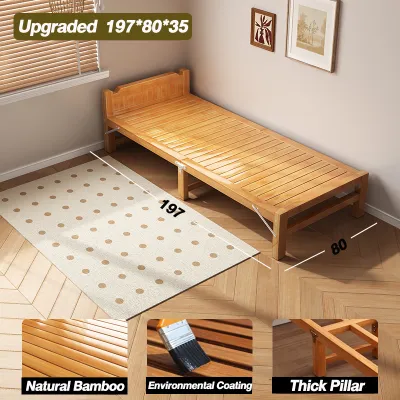
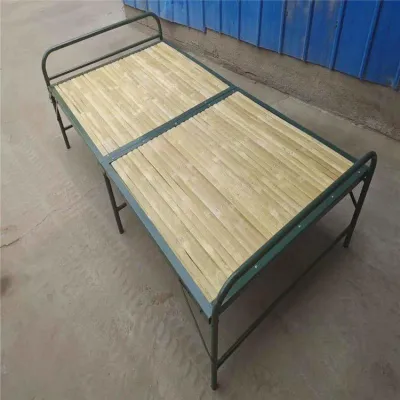
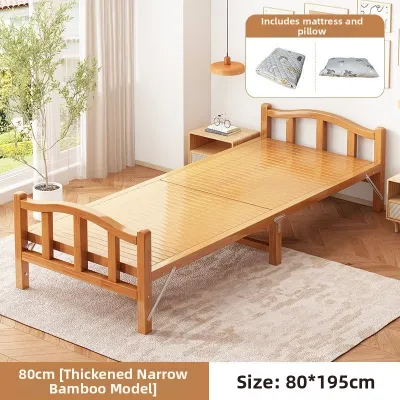
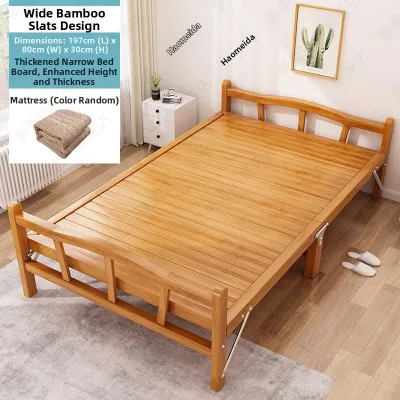
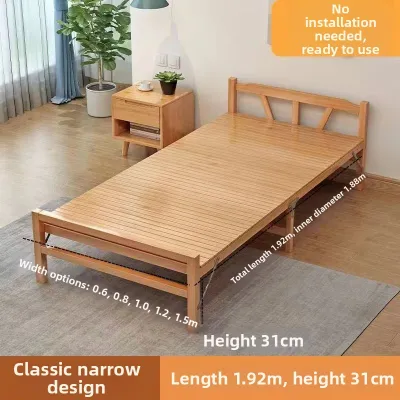
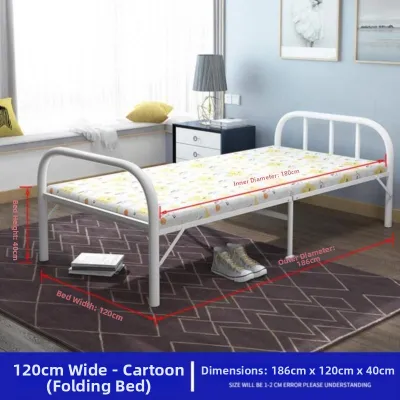
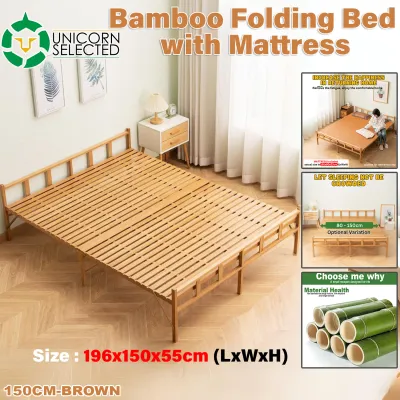
Prices are valid at publication and may change. Please refer to the product page for the latest price.
A physical wobble test is an indispensable diagnostic tool before allowing a child to sleep on the bed. Place both hands on the frame and apply moderate pressure from different angles, shaking it gently to check for shifting, swaying, or creaking. The legs must rest completely flat on the floor. If the bed is placed on smooth surfaces like ceramic tiles or polished wood, verify that the legs are equipped with durable, non-slip floor protectors. These protectors prevent the bed from sliding when a child climbs in or out, reducing the risk of tipping or accidental wall impacts.
Finally, consider the physical logistics of the bed within your home. Measure the outer dimensions of the bed frame and compare them against the available floor space in the child’s bedroom, ensuring there is ample clearance around doors, windows, and emergency exit paths. You must also measure your home’s entryways, narrow hallways, and stairwells to confirm the bed can be safely transported and maneuvered during delivery without damaging the frame or compromising its pre-assembled joints.
Surface Finishes and Splinter Risks
The natural beauty of a papag na kawayan comes with inherent material characteristics that require careful inspection. A common misconception is that because bamboo is a natural material, it is automatically safe and smooth. In reality, raw bamboo is highly prone to splintering, especially along cut ends, outer nodes, and joint intersections. Parents must physically run their hands over every accessible surface of the bed frame to check for rough patches, raised fibers, or sharp edges that could cause painful cuts or splinters to a child’s sensitive skin.

The type of surface treatment applied to the bamboo is just as important as the physical sanding. Bamboo furniture intended for children must be treated with a high-quality, non-toxic sealant or varnish that is fully cured and free from harmful chemical off-gassing. Ask the manufacturer or retailer for verification that the finishes used are lead-free and safe for children’s products. A proper sealant not only protects your child from splinters but also seals the bamboo against moisture absorption, which is particularly vital in humid tropical environments where damp air can cause the material to swell or mold.
Over time, environmental factors can degrade even a well-finished bed. Regularly inspect the frame for early signs of material fatigue, such as drying, fine hairline cracks, or peeling varnish. Bamboo naturally contracts and expands with changes in indoor humidity, and this movement can cause rigid finishes to crack or flake off, exposing the sharp, fibrous layers underneath.
Establish clear safety stop conditions for the furniture. If you discover deep, structural splinters that cannot be easily sanded down, wide cracks that compromise the thickness of a support pole, or large areas of unsealed, rough bamboo, immediately discontinue using the bed. Do not attempt to patch severe structural splits with simple tape or household glue, as these temporary fixes cannot restore the material’s original tensile strength.
Design Hazards: Gaps, Rails, and Sharp Edges
A child’s bed must be free from physical design flaws that could lead to accidental falls, entrapment, or impact injuries. One of the most critical safety dimensions to measure is the spacing between the bed slats, headboard spindles, and guardrails. To prevent a child’s head, neck, or limbs from becoming dangerously trapped, the gaps between these vertical or horizontal elements should be narrow. Standard child safety guidelines generally recommend that gaps be no wider than 6 centimeters (approximately 2.36 inches). Use a reliable measuring tape to check these distances across the entire frame, as hand-crafted bamboo furniture can sometimes exhibit slight variations in spacing.
For younger children, sturdy guardrails are essential to prevent accidental falls during the night. Evaluate the height of the guardrails relative to the top of the mattress. The rails should extend significantly above the mattress surface to provide a secure barrier even when the child rolls over. Inspect how the guardrails are attached to the main bamboo frame; they must be securely bolted or integrated into the structure so they cannot be easily dislodged, bent, or pushed outward by a child’s body weight.
Exposed hardware and structural corners present additional hazards that require close scrutiny. Examine all metal bolts, screws, and brackets used in the assembly to ensure they are fully recessed or capped with smooth protective covers. Protruding screw heads or sharp metal edges can easily snag clothing or scratch a child during play. Similarly, check the natural nodes and cut corners of the bamboo poles; any sharp angles should be rounded off or capped with smooth materials to minimize the risk of impact injuries.
The fit of the mattress within the bamboo frame is another critical safety factor. A mattress that is too small for the bed frame leaves dangerous gaps along the sides or at the head and footboards. These gaps can trap a child’s limbs or torso, posing a serious suffocation or injury risk. Ensure the mattress fits snugly against all four sides of the bamboo frame, with no more than a finger’s width of space between the mattress edge and the wooden guardrails.
Assembly, Placement, and Ongoing Maintenance
Proper setup and consistent upkeep are vital to maintaining the safety of a bamboo bed throughout its lifespan. When assembling the bed, strictly follow the manufacturer’s provided instructions and use only the specified hardware. Avoid substituting standard wood screws or nails for the specialized fasteners designed for bamboo, as incorrect hardware can easily split the fibrous grain or fail to provide adequate holding power. If the assembly instructions are unclear, contact the manufacturer directly for clarification before proceeding.
The physical placement of the bed within the room plays a significant role in preserving its structural integrity. Avoid placing the bamboo bed in areas exposed to direct, intense sunlight, such as right next to large, unshaded windows. Prolonged sun exposure can dry out the natural fibers, leading to severe cracking and warping. Similarly, keep the bed away from sources of extreme humidity fluctuations, such as directly under air conditioning units or near open bathroom doors. Rapid shifts between damp and dry air stress the bamboo joints and can cause the frame to warp or loosen prematurely.
To ensure long-term safety, establish a routine maintenance schedule. Every few months, perform a thorough inspection of the bed’s joints, brackets, and fasteners. Because bamboo is a natural material that settles and shifts slightly with use and environmental changes, screws and bolts can gradually loosen. Use the correct hand tools to gently tighten any loose hardware, taking care not to over-tighten, which could strip the threads or crush the bamboo fibers.
Parents must be vigilant in identifying when a bamboo bed has reached the end of its safe operational life. Define clear conditions for decommissioning the bed: if you notice persistent, loud squeaking that does not stop after tightening the hardware, visible bending or sagging of the main support slats, or joint separation that cannot be securely repaired, it is time to replace the bed. Continuing to use a structurally compromised bamboo frame poses an unacceptable risk of sudden collapse.
Frequently Asked Questions (FAQ)
Do bamboo beds attract pests or insects?
Properly processed, kiln-dried, and sealed bamboo beds do not inherently attract pests or insects. However, raw, untreated, or moisture-damaged bamboo can be highly vulnerable to wood-boring insects, such as powderpost beetles (locally known as bukbok) or termites, which feed on the natural starches and sugars present in untreated bamboo fibers. When inspecting a bamboo bed, look closely for warning signs of infestation, such as tiny, clean-cut exit holes on the surface of the poles or a fine, powdery dust accumulating beneath the joints. To prevent pest issues, ensure you purchase bamboo furniture that has been professionally treated and sealed with a protective topcoat. If you detect active signs of insects, immediately isolate the bed and consult a professional pest control service, or replace the affected components to prevent the infestation from spreading to other wooden structures in your home.
How often should I check the bed's joints and screws?
You should perform an initial safety check of all joints and screws approximately two to three weeks after the bed is first assembled and used, as the bamboo components and hardware naturally settle into place under weight. Following this initial check, establish a routine inspection schedule every three to four months. Certain events should trigger an immediate, unscheduled inspection: if your child has been jumping on the bed, if you have recently moved the furniture to a new spot in the room, or if you begin to hear unusual squeaking or creaking sounds when weight is applied. When performing these checks, always use the correct size of manual screwdriver or hex key. Avoid using high-powered electric drills to tighten the hardware, as excessive torque can easily strip the screw holes or split the delicate bamboo fibers, permanently weakening the joint.

Community discussion
Share your experience or ask a question. Comments are reviewed before publication.