
In many Filipino households, a basic wooden stool or small chair—locally referred to as a bankito—is a highly versatile piece of furniture. Whether used in the kitchen, the dining area, or as a quick seating option for various household chores, its durability and simple charm are unquestioned. However, when setting up a dedicated study corner for the school year, parents often ask whether a traditional bankito wood chair is safe and ergonomic enough for a child’s daily academic tasks.
While a well-constructed wooden chair is structurally reliable for brief periods of sitting, it lacks the specialized support required for extended daily study sessions. Relying on a basic wooden stool or non-ergonomic chair as a primary study seat introduces significant risks to a developing child’s posture. Without proper back alignment and height adjustability, prolonged study sessions can quickly lead to muscle strain, fatigue, and poor sitting habits that can persist into adulthood.
Physical Safety: Checking Stability and Surface Hazards
Before evaluating the ergonomics, you must first address the physical safety and structural integrity of any wooden chair intended for a child. Children are naturally active, often shifting their weight, leaning back, or reaching for school supplies. To prevent accidents, closely inspect the chair’s construction joints and overall stability. Check whether the legs are securely fastened with robust joinery, such as mortise-and-tenon joints or heavy-duty screws, rather than simple nails that can easily loosen over time.
Products mentioned in this guide
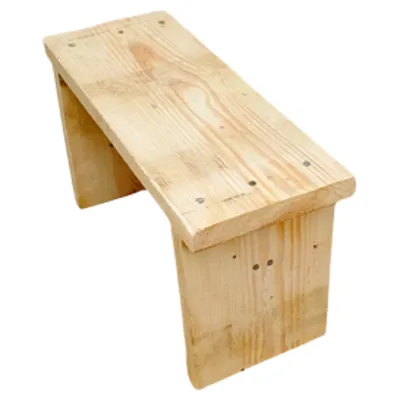
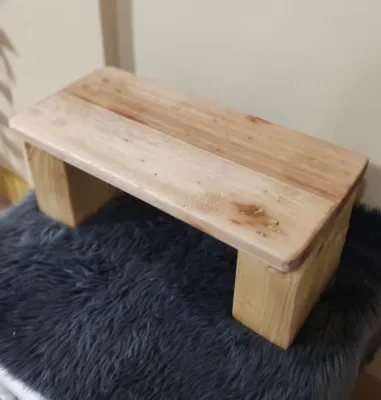
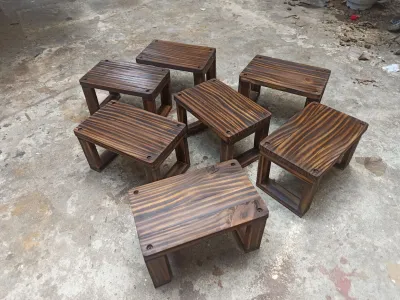
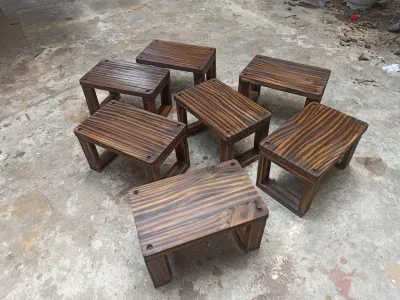

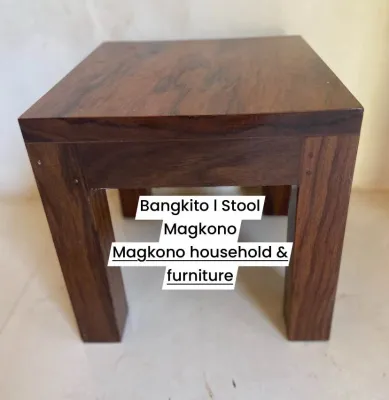
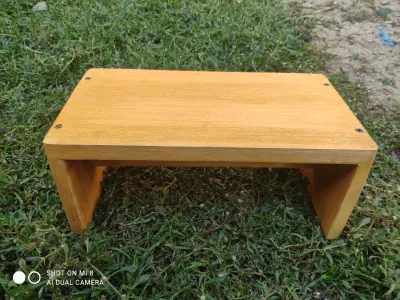
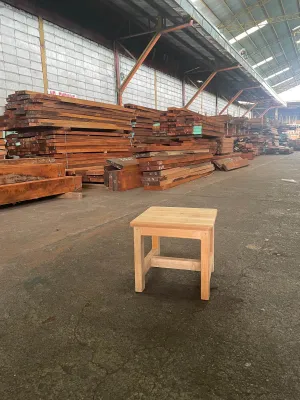
Prices are valid at publication and may change. Please refer to the product page for the latest price.
In the tropical climate of the Philippines, high humidity and temperature fluctuations can cause natural wood to expand, contract, and warp. This environmental stress can weaken adhesive bonds and loosen fasteners, resulting in a wobbly frame. You must test the chair’s stability by applying downward and lateral pressure on the seat and backrest. If you detect any wobbling or creaking, the joints must be reinforced or repaired before the chair is deemed safe for use.
When assessing the chair, verify its finished dimensions against your child’s available study space to ensure there is enough clearance. Check the manufacturer’s specified load capacity to confirm it can safely support your child’s weight, and inspect the assembly conditions to ensure all components are tightly locked. If the chair is an older family heirloom, check that it has not suffered from dry rot or insect damage, which can severely compromise its load capacity.
Tipping is a major safety concern, especially for younger children. Evaluate the chair’s base width and center of gravity. A safe study chair should have a wide, stable footprint, with legs that flare outward slightly to distribute weight evenly. If the base is too narrow, the chair can easily tip over when a child leans to one side to grab a book or pencil.
Surface preparation is another critical factor for physical safety. Run your hands over the entire wooden surface to check for splinters, rough patches, or sharp edges that could snag clothing or scratch skin. Look closely for loose hardware, protruding screw heads, or peeling finishes. In humid environments, low-quality varnishes or paints can bubble and peel, posing chemical or physical hazards. Ensure the wood is finished with a smooth, non-toxic sealant that is easy to wipe clean.
Finally, consider the interaction between the chair and your home’s flooring. If the study area is located on polished wood, smooth ceramic tiles, or shiny marble, a basic wooden chair can easily slide when a child sits down or stands up. To prevent sudden slips, always place the chair on a non-slip rubber mat, or apply high-quality felt or rubber pads to the bottom of each leg. This simple step secures the chair in place and protects your floors from scratches.
Ergonomic Limitations of a Basic Wooden Chair
While a wooden chair might feel solid and reliable, its fixed design presents several severe ergonomic limitations for a growing child. The most prominent gap is the complete absence of contoured lumbar support. A child’s spine has natural curves that need external support to maintain proper alignment. A typical flat-backed wooden chair or backless stool forces the lower back to collapse outward, causing the child to slouch forward. Over time, this unnatural C-shaped posture strains the spinal ligaments, compresses chest cavity space, and overworks the back muscles.

Seat height mismatches are another major issue when pairing a standard wooden chair with a standard study desk. Most household wooden chairs have a fixed seat height designed for adult dining tables. When a young child sits on one, their feet are often left dangling in the air. Dangling legs cause the front edge of the seat to press directly against the back of the thighs, compressing blood vessels and nerves. This restricted circulation leads to discomfort, numbness, and a pins-and-needles sensation.
Conversely, if the chair is too low relative to the desk, the child is forced to raise their elbows and shrug their shoulders to write or type. This poor positioning puts immense strain on the trapezius muscles, leading to chronic tension in the neck, shoulders, and upper back. This physical discomfort quickly drains a child’s energy and severely shortens their attention span during homework sessions.
Furthermore, the hard, unyielding surface of natural wood creates localized pressure points. When sitting on a hard seat, the child’s body weight is concentrated entirely on the ischial tuberosities, commonly known as the sit bones. Without any cushioning to distribute this weight, the pressure restricts local blood flow, causing discomfort within minutes. To escape this discomfort, children will constantly squirm, twist, or sit on their legs, which further compromises their posture and focus.
Lastly, a basic wooden chair lacks any form of adjustability. Children grow rapidly, and their seating needs change from month to month. A fixed chair cannot adapt to these physical changes. The lack of adjustable seat depth, backrest height, and armrests means the chair will only fit the child perfectly for a very brief window of their development, leaving them with an ill-fitting, unsupportive seat for the majority of their school years.
How to Improve Posture and Comfort on a Wooden Chair
If you must use a bankito wood chair or a standard wooden seat temporarily while transitioning to a permanent setup, you can implement several low-risk, practical modifications to improve its comfort and ergonomic support.
To address the lack of lower back support, add a firm lumbar cushion to the backrest. You can purchase a specialized memory foam lumbar roll or create a DIY version by tightly rolling up a small towel or blanket. Position the cushion in the curve of the child’s lower back and secure it to the chair frame using adjustable straps or elastic bands to keep it from sliding down.
To relieve pressure on the sit bones, place a padded seat cover or high-density foam cushion on the wooden seat. Ensure the cushion is firm enough to provide support without bottoming out, yet soft enough to distribute weight evenly. Look for a cushion with a removable, washable cover, which is highly practical for maintaining hygiene in warm, humid tropical climates.
To eliminate the issue of dangling feet, provide a sturdy footrest. If you do not have a commercial footrest, a flat wooden box, a sturdy plastic step stool, or a stack of heavy, bound books can serve the same purpose. Adjust the height of the footrest until the child’s feet rest completely flat on the surface, allowing their knees to bend at a comfortable 90-degree angle. This simple addition immediately relieves pressure on the back of the thighs and stabilizes the pelvis.
If the seat is too low for the study desk, use a thicker, firmer seat cushion to raise the child’s sitting height. The ideal height allows the child’s elbows to rest comfortably on the desk surface at a 90-degree angle, with their shoulders relaxed and down. Always verify that this adjustment does not cause their feet to dangle; if it does, increase the height of the footrest accordingly.
Even with these modifications, a modified wooden chair is not suitable for continuous, uninterrupted sitting. Emphasize the importance of taking active breaks. Teach your child to stand up, stretch, and walk around for five minutes after every 30 to 45 minutes of study. You can also introduce the 20-20-20 rule—looking at an object 20 feet away for 20 seconds every 20 minutes—to prevent eye strain, while encouraging light physical movement to refresh their mind and body.
When to Upgrade to a Dedicated Ergonomic Study Chair
As a parent, you should actively monitor your child’s behavior and physical cues to determine when a temporary wooden seating setup is no longer viable and must be replaced.
Watch for physical signs of postural distress during study sessions. If you notice your child constantly slouching, leaning their head on their hand, sitting cross-legged on the seat, or wrapping their feet tightly around the chair legs, these are clear signs of discomfort. These awkward positions are subconscious attempts to find relief from the pressure and muscle fatigue caused by an unsupportive chair.
Pay close attention to verbal complaints. If your child frequently mentions feeling stiff, having a sore neck, or experiencing tired legs and lower back aches after completing their schoolwork, these symptoms should not be ignored. Persistent physical discomfort can lead to a negative association with studying and homework.
Finally, consider your child’s academic schedule and age. As they transition to higher grade levels, their homework load and study hours naturally increase. While a basic wood stool might cost only a few hundred pesos (₱), investing in a dedicated, adjustable ergonomic study chair becomes critical when daily study sessions regularly exceed one hour. Upgrading to a chair designed specifically for growing bodies ensures their physical health is protected, allowing them to focus fully on their education.
Frequently Asked Questions (FAQ)
Can sitting on a hard wooden chair cause back pain in children?
While sitting on a hard wooden chair does not typically cause permanent structural damage to a child’s developing spine, the lack of lumbar support and cushioning forces their back muscles to work much harder to keep the body upright. Over extended study sessions, this continuous muscular exertion leads to localized fatigue, stiffness, and physical discomfort. This temporary muscle strain usually resolves once the child rests, corrects their posture, or transitions to a more supportive, cushioned, and ergonomically designed study chair.
Community discussion
Share your experience or ask a question. Comments are reviewed before publication.