
Setting up a hammock on a balcony or garden patio creates a personal sanctuary for relaxation, but it also introduces practical challenges for your flooring. Whether you are using a freestanding hammock frame or anchoring your setup to sturdy pillars, the area directly beneath the hammock experiences high foot traffic, occasional spills, and physical friction. A Blackdog ground sheet—traditionally designed as a durable barrier for outdoor camping—can serve as an excellent protective layer for your residential hammock zone. It offers a practical blend of water resistance, dirt protection, and portability, making it a highly viable option for urban balconies and garden patios alike.
However, transitioning camping gear to a permanent or semi-permanent residential space requires a clear understanding of material limits, safety considerations, and local environmental factors. In tropical climates like the Philippines, where intense heat, high humidity, and sudden downpours are common, how you position and maintain this setup determines its longevity. While a ground sheet provides immediate protection against dirt and minor drops, it behaves differently than dedicated residential outdoor flooring. Evaluating its performance across key areas like surface cushioning, moisture management, and wind stability will help you decide if it is the right fit for your home.
Why You Need Floor Protection Under Your Hammock
An unprotected hammock zone is highly vulnerable to wear and tear, especially on residential balconies and patios. When you swing, climb into, or exit a hammock, your feet repeatedly press against the same localized area of the floor. Over time, this concentrated friction can scuff delicate balcony tiles, wear down the sealant on wooden decks, or grind dirt and outdoor dust into concrete surfaces. If you prefer to lounge barefoot, stepping directly onto sun-baked tiles or dusty concrete quickly detracts from the comfort of your relaxation space.
Products mentioned in this guide
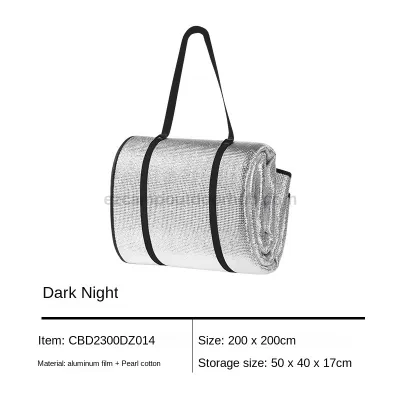
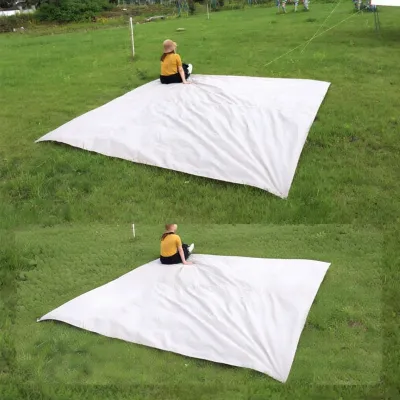
Prices are valid at publication and may change. Please refer to the product page for the latest price.
Beyond foot traffic, the area beneath a hammock is a frequent drop zone for personal items. It is common to lounge with a smartphone, a tablet, books, or a ceramic mug filled with coffee. A sudden shift in the hammock can cause these items to slip out of your hands or pockets. Without a protective layer to cushion the fall, a phone screen can easily shatter against hard stone pavers, and a heavy mug can chip or crack expensive ceramic balcony tiles.
A high-quality ground sheet establishes a designated, clean landing zone that physically separates your living space from the raw floor. It traps loose dirt, prevents shoe soles from scuffing the ground, and provides a clean barrier where you can comfortably place your bare feet or kick off your slippers. By repurposing a durable camping accessory like a Blackdog ground sheet, you can easily create a tidy, functional boundary that keeps both your feet and your outdoor flooring in pristine condition.
Evaluating the Blackdog Ground Sheet for Residential Use
Using a camping ground sheet in a residential setting offers unique advantages, but it requires assessing how its technical specifications translate to daily home use. Camping gear is engineered for portability and rugged outdoor conditions, which means it prioritizes lightweight durability and water resistance over heavy cushioning. Understanding these material characteristics is key to maximizing its utility on your patio or balcony.

Surface Protection and Drop Cushioning
Before laying a ground sheet over high-end residential flooring, you must verify the composition of its bottom layer. Many camping sheets utilize specialized coatings, such as polyurethane (PU), polyvinyl chloride (PVC), or aluminized heat-reflective films, to block moisture from the soil. In the intense tropical heat of the Philippines, low-grade coatings can degrade, become sticky, or transfer color onto light-colored ceramic tiles and polished composite decking. It is highly recommended to inspect the sheet’s specifications and perform a brief check to ensure the material is non-marking and chemically stable under direct sunlight.
The physical thickness of the sheet plays a major role in how well it cushions dropped items and feels underfoot. Standard ground sheets are typically constructed from woven synthetic fabrics like Oxford polyester. While a single layer of Oxford cloth cannot match the plush cushioning of a thick indoor rug, it provides a tough, puncture-resistant barrier that absorbs minor impacts. This fabric layer is highly effective at preventing small items from scratching your flooring and provides a smooth, non-abrasive surface that feels much more comfortable to bare feet than rough concrete or sun-heated stone.
Because camping ground sheets are designed to withstand rocks and twigs on a forest floor, they offer excellent tensile strength. However, they are not completely immune to punctures from sharp, concentrated loads. If you plan to place a heavy metal hammock stand directly on top of the sheet, you should check the manufacturer’s care label and weight guidelines. Placing a sharp metal edge or a heavy furniture leg directly onto the fabric can slice through the material over time, so using rubber coaster cups or protective pads under the hammock stand’s feet is a wise precaution to preserve both the sheet and your floor.
Moisture Resistance in Humid Climates
In tropical regions characterized by high humidity and frequent rainfall, moisture control is a critical factor for any outdoor setup. A Blackdog ground sheet features a highly waterproof base designed to keep ground moisture from seeping upward. On an open patio or garden deck, this moisture barrier is incredibly useful for blocking morning dew, rising dampness from concrete, or light splashes from nearby garden sprinklers, ensuring your immediate landing zone remains dry and comfortable.
However, homeowners must recognize that a waterproof ground sheet acts as an impermeable barrier, not an active drainage system. When heavy rains occur, water cannot pass through the fabric and will pool on the surface if the sheet is laid flat. If your balcony or patio does not have a proper slope directing water toward a floor drain, rainwater can become trapped underneath the sheet. This trapped moisture cannot evaporate easily, creating a damp microclimate directly on your flooring material.
To prevent structural damage and maintain hygiene, managing this trapped moisture is essential. If water remains trapped under a synthetic sheet on a wooden deck or concrete patio for extended periods during the rainy season, it can foster the growth of mold, mildew, and wood rot. It is important to regularly lift the ground sheet after heavy rain, sweep away any standing water, and allow both the flooring and the underside of the sheet to air dry completely before replacing it.
Adapting the Setup for Balconies and Open Patios
The physical layout and environmental exposure of your outdoor space will dictate how you position and secure your ground sheet. High-rise condo balconies and ground-level garden patios present very different spatial challenges, requiring tailored approaches to ensure safety and comfort.
Balcony Constraints
Residential balconies, particularly those in high-rise buildings, are often subject to strict space limitations and high wind exposure. Because camping ground sheets are lightweight, a strong gust of wind can easily lift the edges, causing the sheet to bunch up, slide, or blow away entirely. A loose, shifting sheet on a narrow balcony represents a significant tripping hazard, especially when you are trying to balance yourself while getting out of a swinging hammock.
To secure the ground sheet on a windy balcony, you must anchor it firmly. You can utilize the built-in grommets or corner loops—originally designed for camping stakes—to tie the sheet to the base of your hammock stand or heavy balcony railings. Alternatively, placing heavy ceramic potted plants, outdoor-safe side tables, or decorative stones on the corners will keep the sheet flat. For a more seamless look, using temporary, outdoor-safe double-sided tape designed for masonry or tile can hold the edges securely without leaving a permanent adhesive residue on your balcony floor.
Garden Patio Constraints
On a spacious garden patio, wind is less of a concentrated hazard, but you must contend with a larger footprint and direct exposure to lawn elements. When selecting a ground sheet size, it should be large enough to cover the entire swing radius of your hammock as well as the immediate entry and exit paths. This ensures that even if the hammock swings slightly wide, your feet will still land on a clean, protected surface rather than on wet grass, muddy soil, or garden mulch.
Integrating a utilitarian camping ground sheet into a beautifully curated garden patio requires some design consideration. Camping gear is typically manufactured in practical, outdoor-focused colors like olive drab, charcoal black, or sand beige, often featuring prominent brand logos. To soften this industrial look and blend it with your home decor, you can frame the ground sheet with natural materials. Surround the hammock zone with wooden planters, warm outdoor lighting, and comfortable throw pillows that coordinate with the sheet’s neutral tones, turning a piece of rugged camping gear into a cohesive element of your backyard oasis.
Maintenance and Safety for Daily Hammock Use
To ensure your ground sheet remains clean, hygienic, and safe for daily residential use, establishing a simple maintenance routine is essential. Unlike permanent outdoor carpets, a camping ground sheet is exceptionally easy to clean and maintain, provided you follow a few basic care guidelines.
Routine cleaning requires very little effort. For daily maintenance, simply sweep away dry leaves, dust, and outdoor debris using a soft-bristled broom or a handheld brush. If you spill a drink or track mud onto the sheet, wipe the affected area promptly with a damp microfiber cloth and a mild, pH-neutral soap. Avoid using harsh chemical cleaners, bleach, or abrasive scrubbing pads, as these can degrade the protective waterproof coatings on the fabric.
Before attempting to wash the ground sheet more thoroughly, always consult the manufacturer’s care label. While some heavy-duty synthetic fabrics can tolerate gentle hand washing in a large tub, machine washing or tumble drying can delaminate the waterproof backing and damage the structural seams. After cleaning, always hang the sheet to air dry completely in a shaded, well-ventilated area; never store a damp sheet folded up, as this will quickly lead to musty odors and mildew growth.
Safety should always be a priority in any hammock setup. Regularly inspect the ground sheet for signs of wear, such as curling edges, frayed seams, or tears near the grommets. A curled edge can easily catch a foot, leading to trips and falls when entering or exiting the hammock. If you notice the fabric beginning to degrade or lose its grip on the floor, adjust its positioning or secure the edges more firmly to maintain a safe, flat walking surface.
Proper storage during periods of extended non-use will significantly extend the lifespan of your ground sheet. In regions with intense seasonal weather, such as the heavy monsoon rains or scorching summer heat of the Philippines, it is wise to fold the dry sheet and store it indoors when the hammock is not in use. Prolonged, uninterrupted exposure to harsh ultraviolet (UV) rays can break down synthetic fibers over time, causing the material to fade, become brittle, and lose its water-resistant properties.
When to Choose Outdoor Rugs or Deck Tiles Instead
While a Blackdog ground sheet is a highly functional, portable, and cost-effective solution for protecting your floors, it may not be the ideal choice for every residential setup. Depending on your aesthetic preferences and how permanently you want to style your outdoor space, alternative flooring options might serve your needs better.
The primary limitations of a camping ground sheet in a permanent home setup are its lightweight nature and its utilitarian appearance. If you prefer a highly polished, luxurious outdoor living room aesthetic, the synthetic texture and outdoor branding of a camping sheet might clash with your furniture. Additionally, because these sheets are thin and lack a heavy, non-slip rubber backing, they can feel slippery underfoot when wet, especially if placed on polished stone or glazed tiles.
For homeowners seeking a more traditional, decorative look, a woven outdoor rug made from UV-stabilized polypropylene is an excellent alternative. Outdoor rugs are specifically designed for residential use, offering superior slip resistance, a heavier weight that stays put in the wind, and a softer, more fabric-like texture for bare feet. They are available in a wide array of patterns, colors, and sizes, allowing you to seamlessly integrate your hammock zone with the rest of your patio decor.
If your primary concern is long-term floor protection and drainage, interlocking deck tiles are a highly durable, structural solution. Available in wood-plastic composites (WPC) or weather-resistant plastics, these tiles snap together easily over concrete or old decking. They elevate your feet and your hammock stand off the damp ground, allowing rainwater to flow freely underneath to the drain. This eliminates the risk of water pooling and mold growth, providing a stable, premium, and permanent foundation for your backyard relaxation zone.
Community discussion
Share your experience or ask a question. Comments are reviewed before publication.