
A bubble sofa can bring a bold, modern aesthetic to a 20 square meter condo living room, but its practicality depends entirely on careful spatial planning. While the plush, rounded contours offer exceptional comfort, the oversized silhouette can easily overwhelm a compact layout if not properly scaled. Deciding whether this statement piece works for your home requires balancing its physical footprint against your daily traffic needs.
To make an informed decision, you must look beyond the sofa’s striking appearance. You need to evaluate how its deep frame, low profile, and solid base interact with the limited floor area of a typical urban condo. By analyzing dimensions, visual weight, and layout strategies, you can determine if a bubble sofa is a functional addition or a spatial bottleneck.
Assessing the Bubble Sofa for a 20 Sqm Space
When planning a 20 square meter living area, every centimeter of floor space matters. Traditional linear sofas usually feature a shallow depth of 80 to 90 centimeters, allowing them to sit flush against a wall. In contrast, a bubble sofa relies on organic, bulbous curves that often push the total depth to 100 centimeters or more. This extra depth significantly reduces the remaining floor space available for coffee tables, media consoles, and walkways.
Products mentioned in this guide
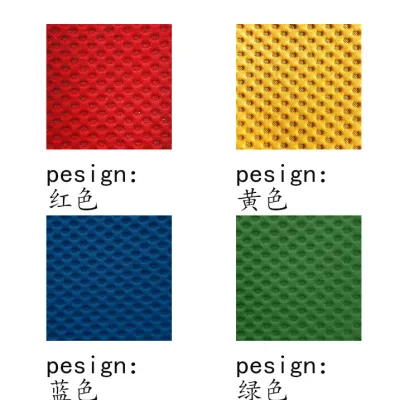
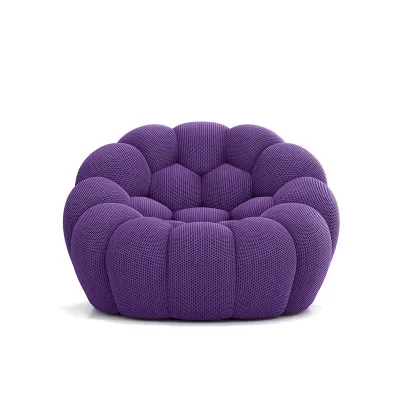
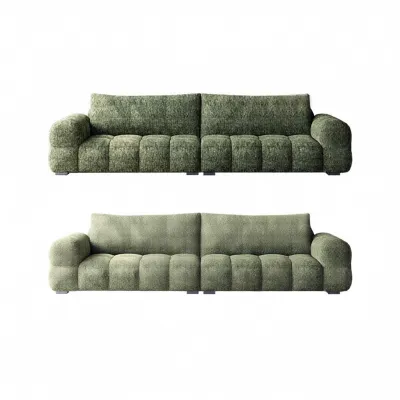
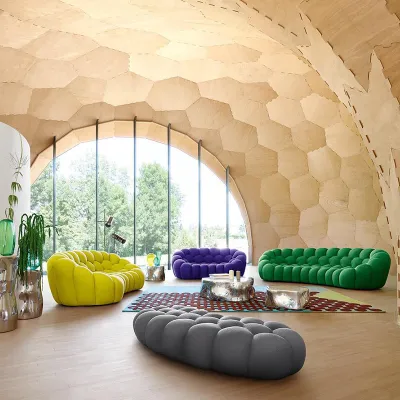
Prices are valid at publication and may change. Please refer to the product page for the latest price.
To maintain a balanced layout, the seating area should ideally occupy no more than 25 to 30 percent of the total living room space. In a 20 square meter room, this translates to a maximum furniture footprint of about 5 to 6 square meters. A standard three-seater bubble sofa can easily take up 2.5 square meters on its own. When you add the necessary clearance zones around it, the sofa can quickly dominate the entire room, leaving little space for other essential furniture.
It is also crucial to distinguish between physical dimensions and perceived visual bulk. A curved sofa lacks sharp corners, which can make the edges feel softer and less intrusive. However, because most bubble designs sit directly on the floor without visible legs, they present a solid block of material. This lack of under-sofa clearance prevents light from passing through, making the piece feel physically heavier than a traditional sofa of the exact same length.
Evaluating Visual Weight and Traffic Flow
In a compact condo, maintaining clear sightlines is essential to prevent the space from feeling cramped. Low-profile or armless bubble sofas are highly effective at preserving these open views. Because they lack high, rigid backs and bulky armrests, they allow the eye to travel across the room unobstructed. This design choice helps the living area feel larger and more open, even if the physical footprint of the sofa is substantial.

Traffic flow is another critical factor that is often compromised by oversized furniture. To ensure comfortable movement throughout the condo, you must establish clear walkways around the sofa. Standard design guidelines recommend a minimum walkway width of 60 to 75 centimeters between furniture pieces. For high-traffic paths, such as the route leading to a balcony or the kitchen, aim for a clearance of 90 centimeters. The rounded edges of a bubble sofa can help ease traffic flow by eliminating sharp corners, but only if the overall placement leaves enough room.
The choice of upholstery material and color also plays a major role in how heavy the sofa looks. In tropical climates like the Philippines, where high humidity can make indoor spaces feel stuffy, visual lightness is key to creating a comfortable environment. Dark, heavy fabrics like black or deep velvet can make a bubble sofa look like a massive obstacle. Opting for light, breathable fabrics in neutral tones—such as cream, beige, or soft textured linen—helps reflect light and keeps the living room feeling breezy and spacious.
Measuring Clearances and Delivery Access
Before committing to a purchase, you must perform rigorous physical checks to ensure the sofa can actually reach your living room. Condo living presents unique delivery challenges, particularly with large, single-piece furniture. Start by measuring the building’s elevator door width, interior height, and diagonal depth. You must also measure the width of all hallways, stairwell turns, and your unit’s main entryway door to confirm the sofa can pass through without damage.
Once inside the unit, you need to map out the precise clearance zones required for daily living. Ensure there is a gap of at least 30 to 45 centimeters between the front edge of the sofa and your coffee table. This distance provides enough legroom while keeping drinks and remotes within easy reach. Additionally, verify that the sofa does not block the swing path of balcony doors, bedroom doors, or kitchen cabinets.
A common mistake when planning for curved or modular furniture is relying solely on the manufacturer’s standard length and width measurements. Because bubble sofas feature irregular, organic shapes, a simple wall-to-wall measurement can be misleading. To avoid layout errors, measure the maximum depth from the outermost curve of the backrest to the furthest point of the front cushion. Creating a full-scale template on your floor using masking tape or newspaper is an excellent way to visualize the actual space the sofa will occupy before delivery day.
Layout Strategies to Maximize Usable Space
Integrating a bubble sofa into a 20 square meter condo requires creative layout strategies. While traditional sofas are typically pushed flat against a wall, doing so with a curved sofa creates awkward, empty triangular spaces behind the rounded backrest. To solve this, try floating the sofa slightly away from the wall—about 10 to 15 centimeters. This small gap allows the organic shape of the piece to stand out as a design feature while keeping the layout intentional.
To maintain a smooth flow of movement, pair your curved sofa with complementary, space-saving furniture. Nesting tables are an excellent choice because they can be stacked away when not in use. Alternatively, rounded acrylic or glass coffee tables work beautifully because their transparent material keeps the floor visible, reducing visual clutter. Avoid large, rectangular wooden tables, which clash with the sofa’s geometry and restrict walking paths.
Rug placement is another powerful tool for defining the living zone without physical barriers. In a compact space, a rug that is too small will make the entire room look fragmented. Choose a rug large enough to allow at least the front curves of the bubble sofa to rest on top of it. This anchors the seating arrangement and creates a cohesive, unified zone that visually separates the living area from the dining or kitchen spaces.
Space-Saving Seating Alternatives
If your measurements reveal that a full-sized bubble sofa will overcrowd your condo, several stylish alternatives can deliver a similar aesthetic. A compact curved loveseat offers the same soft, organic lines but with a significantly smaller footprint. These pieces typically measure under 160 centimeters in length, making them much easier to position in tight corners or along short walls.
Another option is to use modular single-seater bubble chairs instead of a single massive sofa. This setup provides incredible flexibility, allowing you to rearrange the seating to accommodate guests or clear space when needed. You can pair a single bubble chair with a streamlined, low-profile linear sofa to get the best of both worlds: the practical, wall-hugging efficiency of a straight sofa and the playful, modern accent of a curved piece.
When comparing alternative seating options, always check the finished dimensions and structural features. Look for models with slightly elevated legs or a more shallow seat depth of around 85 centimeters. These subtle design adjustments preserve the cozy, rounded look of the bubble aesthetic while ensuring your 20 square meter condo living room remains functional, comfortable, and easy to navigate.
Frequently Asked Questions (FAQ)
Can a modular bubble sofa be reconfigured for smaller spaces?
Yes, if you select a modular version of a bubble sofa, you can adapt the layout by using only specific sections (such as a single corner and a middle module) and storing or repurposing the remaining pieces. Always check the manufacturer’s instructions regarding the connection brackets and structural stability when using partial configurations, as some modules require adjacent units to remain upright and secure.
What is the ideal coffee table shape to pair with a curved sofa?
An oval, round, or organic-shaped coffee table is ideal because it mirrors the sofa’s natural curves. These shapes eliminate sharp corners, which maximizes knee clearance and prevents painful bumps in tight walkways. Ensure the table’s scale leaves at least 30 centimeters of clearance around the sofa’s front curve for comfortable movement.
Community discussion
Share your experience or ask a question. Comments are reviewed before publication.