
A 20 square meter condo unit offers a cozy, low-maintenance lifestyle, but its compact footprint demands highly strategic furniture choices. When furnishing a limited living area, a daybed sofa often emerges as an attractive option because it merges a couch with a full-sized sleeping surface. However, deciding whether this dual-purpose piece is truly the right fit requires looking beyond its initial aesthetic appeal. You must evaluate your actual floor plan, daily seating habits, and genuine need for an extra bed to avoid turning your main relaxation zone into an overcrowded, impractical space.
In a typical tropical condo setting, factors like high humidity, structural columns, and the positioning of sliding balcony doors heavily influence how furniture fits. A daybed can either serve as a highly functional, space-saving centerpiece or become a bulky obstacle that disrupts the natural flow of your home. By assessing your specific layout and lifestyle patterns, you can determine if a daybed sofa will enhance your daily comfort or if an alternative compact seating solution would better serve your needs.
Assess Your Space and Traffic Flow
Before purchasing any furniture, you must measure the physical boundaries of your living area to ensure a daybed sofa leaves adequate walking space. A 20 square meter condo usually allocates only a fraction of its total footprint—often around 8 to 10 square meters—to the actual living and entertainment zone. Start by sketching your layout and subtracting the space occupied by fixed elements such as built-in kitchen cabinets, structural columns, and entryway pathways. This calculation reveals the true usable floor area available for your seating arrangement.
Products mentioned in this guide

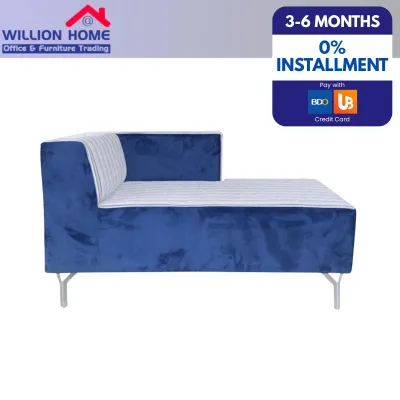


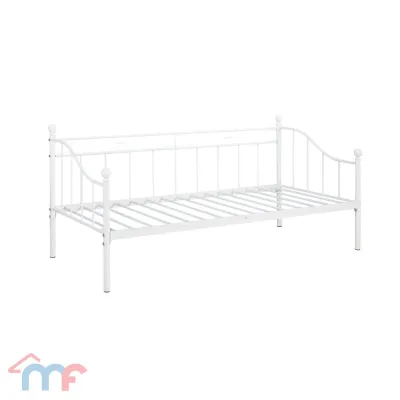

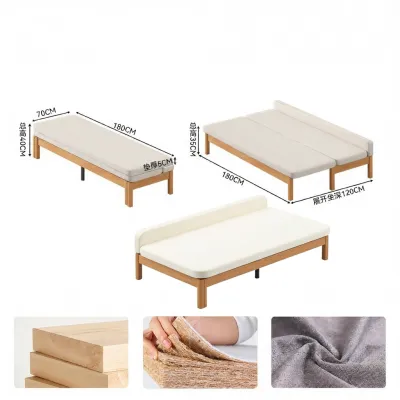
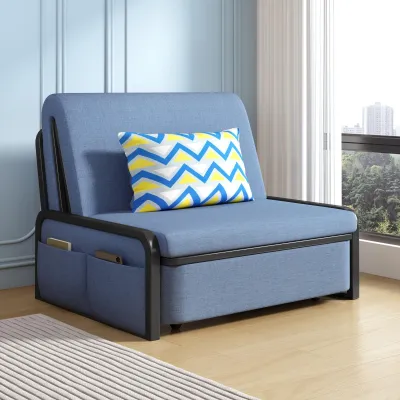
Prices are valid at publication and may change. Please refer to the product page for the latest price.
Clearance requirements are critical when dealing with the deep profile of a daybed. Unlike standard compact sofas that typically measure 80 to 90 centimeters in depth, a daybed designed to accommodate a standard single mattress is usually at least 100 centimeters deep. You must verify that this extra depth does not block the swing of your main entry door, bedroom doors, or bathroom doors. Additionally, ensure there is at least 60 centimeters of clear walkway space between the edge of the daybed and your coffee table or television console to allow for comfortable movement.
The visual weight of a daybed can also dramatically alter the perception of space in a small room. Because daybeds often feature solid wooden or upholstered frames on three sides, they can appear much more massive than a standard low-profile sofa. In a compact condo, this high visual weight can make the ceiling feel lower and the room feel more cramped. To mitigate this effect, look for daybed designs with open wooden slats, slender legs that lift the frame off the floor, or light-colored finishes that reflect natural light from your windows.
If your condo features a sliding glass door leading to a balcony, pay close attention to how the daybed’s length and height align with the opening. A standard daybed is roughly 190 to 200 centimeters long, which can easily block half of a balcony access point if placed along the wrong wall. Blocking these areas not only restricts your access to outdoor spaces but also hinders natural ventilation, which is essential for managing indoor humidity and keeping your living room cool in a tropical climate.
Evaluate Your Daily Seating and Lounging Habits
Your daily activities in the living room should dictate the shape and support of your primary seating. If you primarily use your living area for working on a laptop, dining, or hosting friends for casual conversation, you generally require upright, structured support. A daybed, by design, features a deep mattress platform that encourages reclining, lounging, or lying down rather than sitting upright. Sitting on a daybed without proper back support can lead to poor posture and discomfort during extended periods of use.

The lack of a traditional built-in backrest or armrests is one of the most significant functional differences between a daybed and a standard sofa. Standard sofas are engineered with angled backrests and integrated cushioning that support your lumbar spine. A daybed typically relies on a flat mattress pushed against a wall, leaving a deep gap that makes it difficult for your feet to touch the floor while your back is supported. If you prefer a traditional, supportive seating experience, you may find the deep, flat surface of a daybed impractical for daily hosting or upright relaxation.
To transform a daybed into a functional daily seat, you will likely need to invest in supplementary support accessories. Placing large, firm pillows, wedge cushions, or cylindrical bolsters along the back wall can help bridge the depth gap and create a temporary backrest. However, these accessories must be constantly rearranged and fluffed to maintain their supportive shape. You should consider whether you are willing to manage and adjust multiple loose cushions every time you transition from sitting to lounging.
Furthermore, consider the physical height of the seating surface. Daybeds with thick mattresses can sit higher off the ground than standard sofas, which typically have a seat height of 40 to 45 centimeters. A higher seat can make it uncomfortable for shorter family members or guests to sit naturally, as their legs may dangle without touching the floor. Testing the height of the frame combined with your chosen mattress is a crucial step to ensure everyone in your household can sit comfortably.
Determine if the Dual-Purpose Bed Function is Necessary
The primary appeal of a daybed is its ability to serve as an extra sleeping surface, but you must evaluate how often this feature will actually be used. If you rarely host overnight guests, dedicating a significant portion of your daily living room space to a permanent bed frame may not be a practical trade-off. In a 20 square meter condo, every square centimeter must earn its keep, and prioritizing a guest bed over comfortable daily seating can compromise your personal quality of life.
Daily logistics and storage are also major factors to consider when using a daybed in a dual-purpose capacity. When the daybed is in sofa mode, you must find a place to store the sleeping pillows, heavy blankets, and bed sheets if you want it to look like a clean, organized living room. Conversely, when transitioning the daybed to sleeping mode, you must store the decorative throw pillows and bolsters that serve as your daytime backrest. If your condo lacks built-in storage closets, managing these linens can quickly become a daily chore that clutters your limited space.
The comfort profile of a daybed mattress is inherently different from the cushioned seat of a traditional sofa. A mattress designed for sleeping must provide even support across your entire body, which often requires a firmer, flatter surface. However, a good sofa seat requires a softer, contoured cushion that allows you to sink in slightly when sitting. Choosing a mattress for your daybed always involves a compromise: a mattress soft enough for comfortable sitting may lack the support needed for a good night’s sleep, while a firm sleeping mattress may feel too rigid for casual daytime lounging.
Additionally, consider the wear and tear on the mattress cover and sheets. Because the daybed serves as your primary sofa, the fabric will be subjected to daily friction, spills, and dust from regular living room activities. In a humid environment, fabric covers can trap moisture and sweat more easily than standard sofa upholstery. You must be prepared to wash the mattress covers and protective sheets frequently to maintain a hygienic and fresh living environment.
Explore Alternative Furniture Solutions for Small Layouts
If your self-assessment reveals that a daybed sofa might be too deep, visually heavy, or impractical for your daily routine, several alternative furniture pieces can maximize your 20 square meter layout. A compact sofa bed with a pull-out mechanism is an excellent alternative. These pieces maintain the traditional upright seating profile and compact depth of a standard sofa during the day, but can be easily converted into a bed by pulling out a hidden frame from underneath when guests arrive. This design keeps the sleeping surface completely hidden when not in use.
Another highly flexible option is a modular loveseat or an apartment-sized sectional. These pieces are specifically scaled for small spaces, offering comfortable, upright seating for two to three people without overwhelming the room. Some modular designs allow you to move the ottoman or chaise section to different sides, giving you the flexibility to adapt the layout when hosting guests or rearranging the room. This adaptability is particularly valuable in tight condo layouts where traffic pathways need to remain clear.
For a simpler and more budget-friendly dual-purpose solution, consider a classic futon or a click-clack sofa bed. These pieces feature a mechanism that allows the backrest to fold down flat, instantly converting the sofa into a sleeping platform. Click-clack sofas generally have a much shallower depth than daybeds when in sofa mode, making them easier to fit against narrow walls. They also eliminate the need for a separate mattress, as the built-in cushioning serves as both the seat and the sleeping surface, simplifying your furniture setup.
Ultimately, the best choice for your condo depends on balancing your spatial constraints with your daily lifestyle. Prioritizing high-quality, supportive seating that fits your actual traffic flow will ensure your living room remains a comfortable, welcoming space. By carefully measuring your room, analyzing your seating habits, and exploring all available options, you can make an informed decision that enhances both the functionality and the style of your home.
Frequently Asked Questions (FAQ)
How do I style a daybed sofa to look like a regular couch?
To make a daybed look like a traditional sofa, start by placing large, firm Euro shams against the back wall to create a structured backrest. Layer these with medium-sized throw pillows and cylindrical bolsters on each end to mimic the look of sofa arms. Use a fitted, high-quality mattress cover in a neutral, durable fabric rather than a standard bed sheet, and tuck a textured throw blanket over the seat to define the seating zone and add visual warmth.
What is the best mattress thickness for a daybed used as a sofa?
A mattress thickness of 12 to 15 centimeters is generally ideal for a daybed that serves primarily as a sofa. A mattress within this range provides sufficient support for sleeping without sitting too high on the frame, which would make upright sitting uncomfortable. Thicker mattresses can make the daybed look overly bulky and make it difficult to find fitted covers that sit neatly without wrinkling, while thinner mattresses may bottom out under the weight of seated guests.

Community discussion
Share your experience or ask a question. Comments are reviewed before publication.