
Quick Answer: Can Kids Sleep on a Folding Bamboo Bed Nightly?
While bamboo is a highly durable, lightweight, and sustainable material well-suited for tropical climates, a folding bamboo bed is generally not recommended for unsupervised, nightly use by young children. The primary concern is not the bamboo itself, but the folding mechanism. The hinges, joints, and moving parts required for portability introduce mechanical hazards that can compromise a child’s safety during sleep or play.
Safety for older children depends heavily on the quality of the locking joints, the smoothness of the surface finish, and the overall structural design of the frame. Standard adult folding beds typically lack essential safety features like secure guardrails and child-proof locking hinges. For toddlers and younger children, a dedicated child’s bed with fixed, non-folding rails is a much safer choice. Older children may use a folding bamboo bed for nightly sleep only if the frame passes rigorous, regular safety inspections and meets strict structural criteria.
Key Safety Risks of Folding Bamboo Beds for Children
Understanding the physical and material risks of folding furniture allows you to make an informed decision before introducing these items into a child’s bedroom. Children interact with furniture dynamically, often transforming a sleeping surface into a play area, which amplifies potential hazards.
Products mentioned in this guide
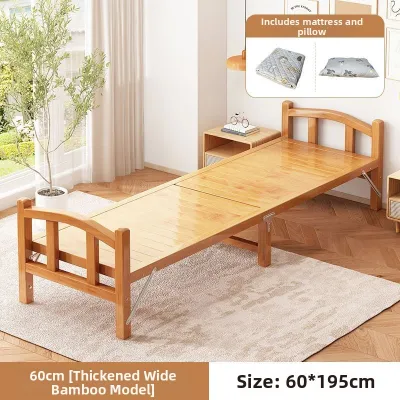
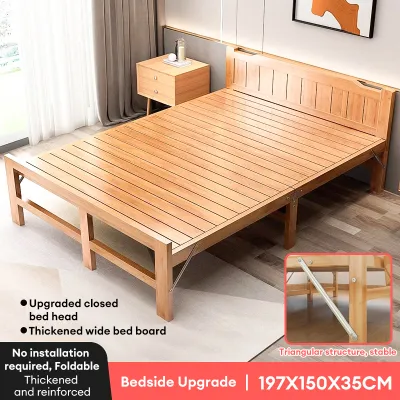
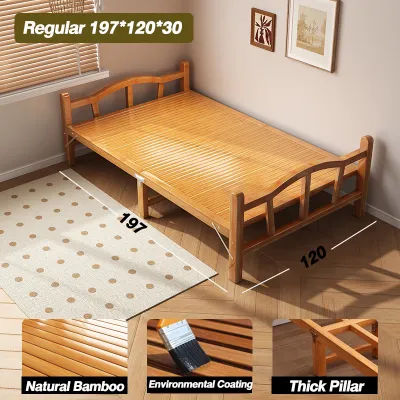
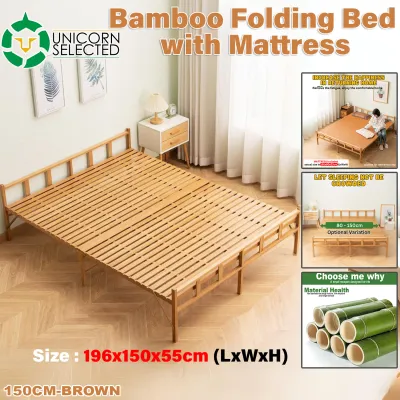
Prices are valid at publication and may change. Please refer to the product page for the latest price.

Pinch Points and Folding Joints
The moving components of a folding bed present a direct risk of pinch injuries. Scissor-style hinges, sliding support tracks, and folding legs can easily trap small fingers or limbs if the bed shifts or is partially folded. Children are naturally curious and may attempt to operate the folding mechanism themselves, leading to severe pinches or entrapment.
To mitigate this risk, any folding bed used by a child must feature enclosed hinges or protective guards that block access to moving parts. Look for secondary safety locks that require a two-step manual release, preventing the bed from folding accidentally if a child pulls or pushes on the frame. If the folding joints are completely exposed and lack manual locks, the bed should not be used for daily unsupervised sleep.
Structural Stability and Weight Limits
Children do not simply lie down to sleep; they jump, roll, sit on the edges, and place concentrated dynamic stress on furniture. Standard folding beds are engineered primarily for static weight distribution, assuming an adult will lie relatively still. Dynamic impacts from a jumping child can easily overload localized joints, causing the bamboo to split or the locking mechanisms to fail.
Before purchase, always locate the manufacturer’s labeled weight capacity on the product tag. A reliable nightly bed requires thick, load-bearing bamboo poles and reinforced crossbars rather than thin, decorative slats. Verify that the support legs lock perpendicular to the floor and do not wobble when horizontal pressure is applied. If the manufacturer does not specify a weight limit, or if the frame relies on thin wire or plastic connectors, it is unsuitable for a child’s daily bedroom.
Splinters, Coatings, and Air Quality
Natural bamboo is incredibly strong, but its linear fiber structure makes it prone to splitting and splintering along the grain if it is dry, damaged, or poorly finished. Sharp bamboo splinters can cause deep punctures or painful scratches. Furthermore, raw or poorly sealed bamboo is highly sensitive to changes in humidity, which can accelerate structural degradation over time.
Chemical safety is another critical factor. Many budget-friendly bamboo imports are coated with cheap varnishes, lacquers, or adhesives that release volatile organic compounds (VOCs) into the indoor air. In an enclosed bedroom, especially one cooled by air conditioning where fresh air exchange is limited, these fumes can affect a child’s respiratory health. Always check for certified non-toxic, water-based finishes, and avoid products with a strong, lingering chemical odor.
Fall Risks and Guardrails
Most folding bamboo beds are designed as portable guest cots for adults and do not include integrated guardrails. Children roll frequently during their sleep cycles, making them highly susceptible to falling off a narrow, elevated platform. A fall from a standard bed height onto a hard floor, such as the ceramic tile or polished concrete common in many homes, can result in injury.
Adding aftermarket, clamp-on guardrails to a folding bamboo frame is highly discouraged. Because bamboo poles are rounded and slightly irregular in shape, temporary rails often fail to secure tightly. This creates dangerous gaps between the mattress and the rail where a child’s head or limbs can become trapped. If a bed does not feature factory-installed, structurally integrated guardrails, it is unsafe for toddlers and younger children who still require fall protection.
Pre-Purchase and Routine Safety Inspection Checklist
If you decide to use a folding bamboo bed for an older child, you must conduct a thorough initial inspection and perform routine checks. Use this step-by-step checklist to verify the bed’s structural integrity before buying and during regular household cleanings.
- Joint Inspection: Physically test the folding locks. Ensure the safety pins or latches snap securely into place and cannot be disengaged by a simple push or pull. The locking mechanism should require adult hand strength to release.
- Surface Check: Run a soft microfiber cloth slowly over every bamboo slat, edge, joint, and support pole. If the cloth snags, it indicates a splinter, rough node, or crack that must be sanded down and resealed before use.
- Hardware Check: Examine all metal brackets, screws, bolts, and rivets. Ensure they are recessed, flush with the bamboo surface, or covered with smooth plastic safety caps. Protruding metal hardware can scratch skin or snag bedding and clothing.
- Smell Test: Before placing the bed in a child's room, conduct a sniff test. If you detect a sharp, sweet, or chemical odor from the varnish or glue, place the bed in a well-ventilated, shaded outdoor area or utility room for several days to off-gas completely.
- Stability Test: Set the bed up in its fully deployed position. Apply firm downward and lateral pressure to the center, head, foot, and outer edges. The bed should remain planted on the floor without shifting, swaying, squeaking, or showing signs of joint separation.
Best Practices for Safe Nightly Use in Humid Climates
Operating bamboo furniture in tropical, high-humidity environments like the Philippines requires specific maintenance and placement strategies. Humidity directly affects the moisture content of natural fibers, impacting both safety and longevity.
First, consider the placement of the bed within the room. Position the frame away from windows, ceiling fans, electrical cords, and heavy wall shelving. This prevents children from using the folding frame as a climbing platform to reach dangerous hazards. Ensure there is adequate clearance around the bed so that if a child does exit the bed quickly, they do not collide with adjacent hard furniture.
Second, pair the frame with a firm, properly sized mattress. The mattress must fit snugly within the frame’s boundaries without overlapping the edges or leaving wide gaps along the sides. Avoid using overly thick mattresses, as they raise the sleeping surface too high, which increases the severity of potential falls and renders low edge barriers ineffective.
Third, manage moisture and mold diligently. High relative humidity allows mold and mildew to thrive on natural materials, especially in the dark, unventilated space between the mattress and the bamboo slats. Keep the bedroom well-ventilated by opening windows during dry days or using an air conditioner or dehumidifier during the rainy season. Lift the mattress at least once a week to inspect the bamboo slats for black spots or powdery white mold, cleaning any affected areas immediately with a mild vinegar solution and drying them completely.
Finally, establish a regular hardware maintenance schedule. Bamboo naturally expands and contracts as indoor humidity levels fluctuate between the dry and wet seasons. This movement can gradually loosen screws and bolts. Set a recurring monthly reminder to check and tighten all hardware, ensuring the folding joints remain flush and structurally sound.
When to Stop Using the Folding Bed
No folding bed is designed to last indefinitely under the strain of nightly use. You must monitor the furniture for signs of wear and retire or replace it immediately if any of the following structural failures occur:
- Material Cracking: Deep, vertical splits or fractures appearing in the main load-bearing bamboo poles or support legs.
- Mechanism Failure: Folding joints that no longer lock flush, safety pins that slip out of their slots, or hinges that require excessive force to open or close.
- Structural Fatigue: Persistent squeaking, swaying, or wobbling during normal movement that cannot be fixed by tightening the hardware.
- Deep Mold Contamination: Mold or mildew that has penetrated deep into the porous bamboo fibers, characterized by persistent odors or staining that cannot be cleaned off the surface.
- Outgrown Limits: The child's height or weight approaching within 10 percent of the manufacturer's maximum rated capacity.
Frequently Asked Questions (FAQ)
Do bamboo beds attract pests or mold in humid weather?
Properly treated and sealed bamboo is highly resistant to wood-boring pests, but raw or poorly finished bamboo can harbor insects. In high-humidity environments, mold can easily develop on the surface of bamboo if air circulation is poor. Regular cleaning, keeping the bedroom dry, and lifting the mattress weekly to let the slats breathe are essential steps to prevent mold growth.
Is a folding bamboo bed safer than a plastic cot for toddlers?
No, a plastic cot is generally much safer for toddlers than a folding bamboo bed. Plastic toddler cots typically feature low-profile designs close to the ground, integrated guardrails, and no heavy mechanical folding joints that can pinch fingers. Folding bamboo beds are better suited for older children who have outgrown the risk of rolling off the bed and who possess the physical coordination to avoid mechanical pinch points.
Community discussion
Share your experience or ask a question. Comments are reviewed before publication.