
Choosing the right bedroom furniture requires balancing personal style, storage capacity, and the physical limitations of your room layout. If you are dealing with a compact bedroom, a hanging cabinet dresser—often referred to as a floating or wall-mounted dresser—offers an appealing alternative to bulky, floor-standing units. By elevating your storage off the floor, this modern furniture style can make a tight room feel more open while providing dedicated space for your daily essentials. However, wall-mounting heavy furniture introduces unique structural, safety, and spatial considerations that you must evaluate before making a purchase.
To determine if a hanging cabinet dresser is the right fit for your home, you need to look beyond its sleek aesthetic. This self-assessment will guide you through analyzing your physical floor space, evaluating your wall’s load-bearing capacity, auditing your storage habits, and understanding the daily ergonomic trade-offs of floating furniture. By the end of this guide, you will know whether to proceed with a wall-mounted installation or choose a more practical floor-standing alternative.
What Is a Hanging Cabinet Dresser?
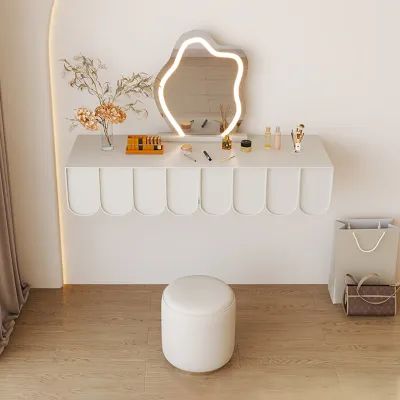
A hanging cabinet dresser is a storage unit designed to mount directly onto a wall, leaving a completely open gap between the bottom of the cabinet and the floor. Unlike traditional dressers that sit on legs or a solid plinth base, a floating dresser relies entirely on heavy-duty brackets, cleat systems, or specialized anchors to remain suspended. This design completely eliminates the floor footprint of the unit, creating a distinctive modern look that emphasizes clean lines and minimalist style.
Products mentioned in this guide
Prices are valid at publication and may change. Please refer to the product page for the latest price.
It is important to distinguish a hanging bedroom dresser from other floating fixtures, such as standard bathroom vanities or floating shelves. While a floating bathroom vanity is built to accommodate plumbing lines, sinks, and high-moisture environments, a hanging bedroom dresser is designed exclusively for dry storage. It typically features wider drawer configurations, shallower depths to prevent excessive wall strain, and finished surfaces optimized for bedroom aesthetics. It acts as a dedicated space for clothes, cosmetics, and accessories, often serving double duty as a vanity table or a media console.
By elevating the entire unit, a hanging dresser changes how light and air move through a room. The exposed floor beneath the cabinet reduces visual weight, making the entire bedroom appear larger than it actually is. This design choice is especially popular in contemporary interiors where maximizing perceived space and minimizing clutter are primary design goals.
Assess Your Bedroom Floor Space and Traffic Flow
Before choosing any wall-mounted furniture, you must carefully analyze the physical layout of your bedroom. Start by measuring the exact wall space where you plan to install the dresser. Take note of the available width, the height from the floor to the ceiling, and the maximum depth the dresser can occupy without obstructing your movement.

Traffic flow is a critical factor in compact bedrooms, narrow townhouses, or high-rise condominiums where floor space is at a premium. Traditional floor-standing dressers can easily block narrow walkways, prevent closet doors from opening fully, or interfere with the swing of your main bedroom door. A hanging cabinet dresser helps alleviate these bottlenecks in several ways:
- Zero Floor Footprint: Because the unit does not touch the ground, your feet and legs have more physical clearance when walking past, reducing the likelihood of stubbing your toes in tight corners.
- Flexible Height Placement: You can mount the cabinet high enough to clear low-profile obstacles, such as baseboard heaters or floor transitions.
- Under-Cabinet Clearance: The open space beneath the dresser can be used strategically. You can slide a small vanity stool underneath when it is not in use, store a pair of daily slippers, or place a low-profile laundry basket out of the main pathway.
However, you must also consider the depth clearance when the dresser drawers are fully extended. If your bed is positioned close to the wall, a deep drawer could still block the walkway or hit the bed frame when opened. Always measure the distance between the wall and the edge of your bed, and compare it to the combined depth of the dresser cabinet and its fully opened drawers.
If your bedroom is already spacious and does not suffer from layout bottlenecks, the space-saving advantages of a floating unit may be less critical. In large rooms, a traditional floor-standing dresser often provides a more cost-effective storage solution, as it does not require specialized installation and typically offers deeper drawers for the same price.
Evaluate Your Wall Structure and Load-Bearing Capacity
The viability of a hanging cabinet dresser depends entirely on the structural integrity of your bedroom wall. Unlike floor-standing furniture, which transfers its weight directly to the ground, a floating dresser exerts significant downward and outward pulling force (leverage) on the wall. You must identify your wall type and verify its load-bearing capacity before planning an installation.
In many residential structures, particularly in urban areas of the Philippines, interior walls are constructed from concrete hollow blocks (CHB) finished with plaster, or drywall partitions made of gypsum board mounted over metal or wooden studs. Each wall material requires a completely different mounting approach:
- Solid Concrete or Masonry: This is the most secure option for hanging heavy furniture. Concrete walls can support substantial weight, but they require a hammer drill, masonry drill bits, and heavy-duty expansion bolts or sleeve anchors to secure the mounting bracket.
- Drywall with Studs: If your wall is drywall, you must locate the structural wooden or metal studs behind the plasterboard using a reliable stud finder. The dresser's mounting brackets must be screwed directly into these studs. Mounting a heavy cabinet to drywall alone using plastic anchors is highly dangerous and will eventually lead to structural failure, damaging your wall and the furniture.
- Hollow Blocks or Partition Walls: Some interior partition walls are thin or lack internal structural support. If you cannot locate secure studs or if the wall material is brittle, it may not safely support a loaded hanging cabinet.
To prevent accidents, you must calculate the potential weight load. This includes the dead weight of the empty cabinet itself plus the live weight of everything you plan to store inside, such as heavy folded clothes, cosmetics, perfumes, and jewelry boxes. Always check the manufacturer’s product manual for the exact maximum weight limit and the recommended mounting hardware. Never exceed these specifications.
Additionally, you must check for hidden hazards behind the wall. Before drilling any holes, use a multi-scanner to map out hidden electrical wiring, water pipes, or structural columns. If you are renting your home or living in a managed condominium, consult your building administration or review your lease agreement. Many rental properties strictly prohibit drilling large holes for heavy-duty wall anchors, which may immediately rule out a hanging dresser.
Analyze Your Storage Volume and Organization Needs
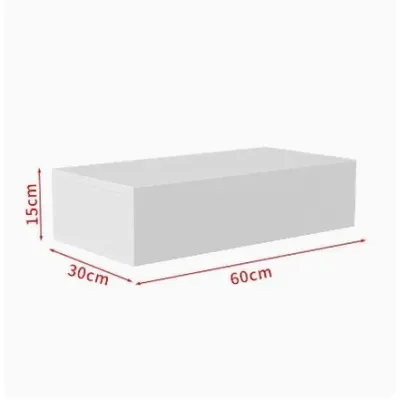
Hanging cabinet dressers are engineered differently than traditional chest-of-drawers. To minimize the pulling force on your wall, manufacturers design floating dressers with a shallower depth—typically ranging from 30 to 40 centimeters, compared to the 45 to 55 centimeters standard for floor-standing models. This shallower profile directly impacts your storage capacity.
Before deciding on a floating unit, perform a realistic audit of your current wardrobe and storage habits. Consider the types of items you need to store:
- Bulky Garments: Heavy denim, thick sweaters, winter travel jackets, and bed linens require deep, wide drawers. A shallow hanging dresser is generally not suited for these items, as they will quickly overcrowd the drawers and prevent them from closing smoothly.
- Lightweight Items: T-shirts, undergarments, activewear, cosmetics, skincare products, and daily accessories are ideal for shallower drawers. They can be organized easily without getting lost at the back of a deep drawer.
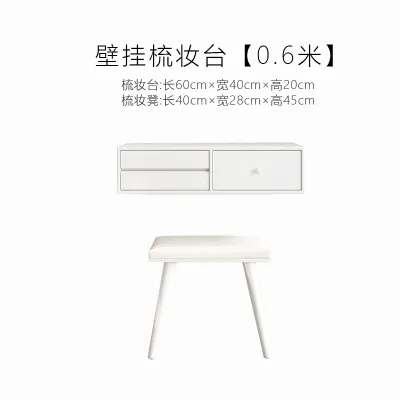
Because of these capacity limits, a hanging cabinet dresser works best when used as a supplementary storage piece rather than your primary wardrobe. It is highly effective when configured as a dedicated vanity table or makeup station, where you can store smaller beauty products and tools. Alternatively, it can serve as a secondary chest for daily essentials while your bulkier clothing remains in a primary closet or wardrobe cabinet.
To avoid disappointment, physically measure your folded clothing piles or the storage bins you plan to use. Compare these measurements against the internal drawer dimensions provided by the furniture manufacturer to ensure your items will fit comfortably without being crushed.
Consider Aesthetics, Maintenance, and Daily Ergonomics
Living with a hanging cabinet dresser introduces distinct lifestyle benefits and daily ergonomic adjustments that you should anticipate.
From a maintenance perspective, elevating your furniture off the floor makes cleaning your bedroom significantly easier. Traditional dressers often have small gaps underneath that collect dust, lint, and pet hair, which are incredibly difficult to clean without moving the heavy unit. In warm, humid tropical climates, these dark, unventilated spaces can also trap moisture, leading to mold growth or attracting household pests. A floating dresser leaves the floor completely open, allowing you to sweep, mop, or run a vacuum cleaner underneath with zero obstruction. This open space also promotes better air circulation along the wall, helping to keep your bedroom fresh and dry.
From an ergonomic standpoint, a hanging dresser offers the unique advantage of customizable installation height. You are not locked into a standard factory height. If you are tall, you can mount the unit higher to access the top surface and drawers without bending over. If you intend to use the dresser as a seated vanity desk, you can mount it lower so that your legs fit comfortably underneath when sitting on a stool.
However, you must also consider the physical effort required to access the lower drawers. While you do not have to crouch down to the floor level, reaching into the bottom drawer of a floating unit still requires bending. If you have chronic back pain, joint issues, or mobility limitations, make sure the primary drawers are mounted within your optimal reach zone to avoid daily physical strain.
Making the Final Decision: When to Choose or Avoid a Hanging Dresser
To make your final decision, compare your bedroom’s physical characteristics against the following two scenarios.
Proceed with a Hanging Cabinet Dresser
This furniture style is an excellent fit for your bedroom if you meet the following criteria:
- Your bedroom has limited floor space, narrow walkways, or layout bottlenecks where every centimeter counts.
- Your walls are made of solid concrete, brick, or have sturdy, accessible wooden or metal studs.
- You have the proper tools (or budget to hire a professional installer) and have permission from your landlord or condo admin to drill secure mounting holes.
- You primarily need to store lightweight items, cosmetics, or daily accessories, and you appreciate a clean, modern aesthetic that makes floor cleaning effortless.
Reconsider or Pivot to an Alternative
You should avoid a hanging dresser and look for alternative solutions if you face these constraints:
- Your walls are thin drywall partitions without accessible structural studs, or they are structurally weak and cannot support heavy loads.
- You are renting under a strict "no-drilling" policy that prevents you from installing heavy-duty wall anchors.
- You need to store a high volume of bulky clothing, heavy blankets, or large items that require deep drawer capacity.
If you must pivot, you can still save space using other furniture designs. Consider a slim, vertical tallboy dresser, which occupies a very small floor footprint while utilizing vertical wall space safely. Alternatively, you can utilize under-bed storage drawers with wheels or install over-the-door organizers to keep your bedroom tidy and spacious without the need for complex wall-mounting.
Frequently Asked Questions (FAQ)
Can I install a hanging dresser on standard drywall?
Yes, you can install a hanging dresser on drywall, but you must anchor the mounting brackets directly into the wooden or metal studs behind the drywall sheet. Standard drywall alone cannot support the weight of a loaded cabinet and will crack or fail under the leverage force. If the studs do not align with your desired placement, you must use specialized heavy-duty toggle bolts or hollow-wall anchors rated specifically for the combined weight of the dresser and its contents. If you are unsure about your wall’s internal structure, it is highly recommended to hire a qualified professional installer to ensure a safe, secure mount.
How high should a floating dresser be mounted from the floor?
The ideal mounting height generally ranges from 75 to 90 centimeters from the floor to the top surface of the cabinet. The exact height depends on your personal ergonomics and how you plan to use the unit. If you want to use it as a standing dresser or a media console, a higher placement of 85 to 90 centimeters is usually more comfortable. If you plan to use it as a seated makeup vanity, a lower placement of 75 centimeters is ideal to accommodate a standard stool. Before drilling any holes, mock up the outline of the dresser on your wall using painter’s tape or a large piece of cardboard to test the drawer access and overall comfort.
Community discussion
Share your experience or ask a question. Comments are reviewed before publication.