
Choosing between a high table and a standard-height outdoor dining set shapes how you experience your patio, balcony, or garden. A high table elevates your view and creates a casual, resort-like atmosphere, making it excellent for tight spaces or scenic balconies. However, a standard dining set offers unmatched comfort for long, multi-course meals and accommodates guests of all ages and mobility levels. Deciding which setup is right for your home requires evaluating your physical layout, your primary outdoor activities, and the comfort needs of everyone who will use the space.
Assess Your Patio Layout and Space Constraints
Before browsing furniture styles, you must measure your physical space to determine which table footprint and visual weight will work best. Measure the footprint of your desired table and ensure there is sufficient clearance on all sides to allow guests to pull out stools or chairs comfortably without blocking walkways. In compact urban balconies or cozy veranda layouts, a high table often excels because its elevated stools can be tucked completely underneath the tabletop when not in use, keeping precious floor space clear.
Consider the visual weight of the furniture and how it affects your sightlines. High tables draw the eye upward, which can block scenic views of your garden, pool, or surrounding landscape if placed directly in front of a low railing. Conversely, standard-height dining sets keep the horizon open, preserving unobstructed sightlines across your outdoor area and making smaller yards feel more spacious.
Products mentioned in this guide
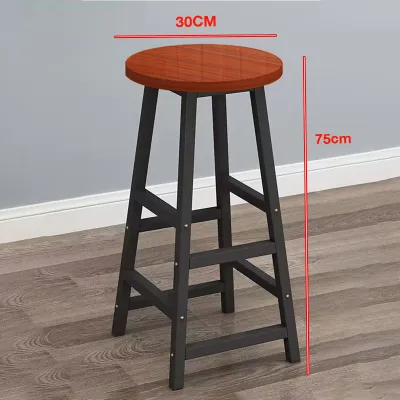
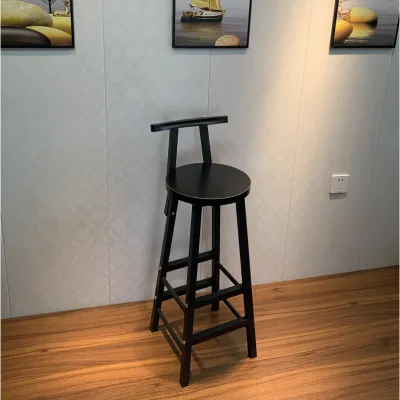
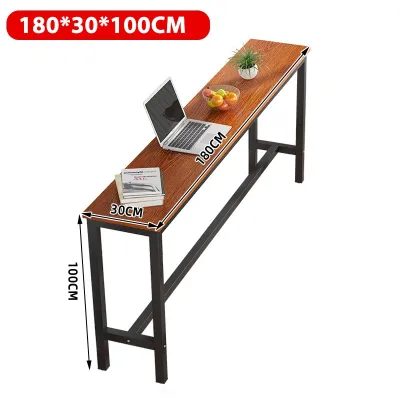
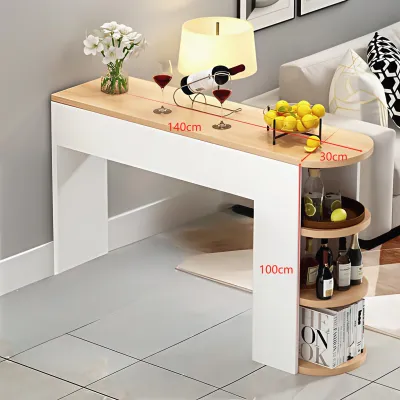
Prices are valid at publication and may change. Please refer to the product page for the latest price.
Analyze the traffic flow around high-activity zones like outdoor kitchens, barbecue grills, or sliding doors. High tables can act as natural standing hubs near a bar or cooking station, allowing people to mingle easily. A wide, standard dining set, on the other hand, might block the natural path of guests moving between the indoor living room and the outdoor patio, requiring a more generous layout to function well.
Match the Table Height to Your Outdoor Activities
Think about how you spend your weekends and evenings to align the table type with your primary outdoor routines. If your outdoor space is primarily a venue for casual weekend drinks, quick morning coffees, or hosting standing cocktail parties, a high table naturally fits this social dynamic. It allows standing guests to converse comfortably at eye level with those who are seated on bar stools, creating a fluid and interactive environment.

For those who prefer long, leisurely family lunches, working from home on a laptop, or hosting extended board game nights, a standard-height dining set is far more practical. The lower posture is inherently more relaxing for activities that span several hours. Standard tables also provide a more stable and spacious surface for serving large platters of food during formal family gatherings.
Balcony spaces in tropical high-rises benefit immensely from bar-height sets. The extra height allows you to see over solid balcony railings or concrete parapets, turning an otherwise blocked view into a private scenic lookout. If your primary goal is to sit back and enjoy the sunset with a drink in hand, an elevated bistro set is often the ideal choice.
Consider User Demographics and Comfort Needs
Accessibility is a critical factor when selecting outdoor furniture for your household. If your family includes young children, elderly relatives, or guests with joint pain or mobility limitations, a high table can present significant physical challenges. Climbing onto a bar stool requires balance and core strength, which can make social gatherings stressful or unsafe for some individuals.
Standard dining chairs keep feet planted firmly on the ground, providing superior stability and ergonomic support. This grounded position reduces fatigue during extended conversations and ensures that everyone, regardless of age or physical capability, can sit down and rise from the table with ease. If multi-generational comfort is a priority, the classic dining height remains the safest option.
While many modern bar stools feature backrests and footrests, they rarely match the deep, cushioned comfort of standard dining chairs. If your guests enjoy lingering around the table long after the meal has ended, the physical strain of sitting on an elevated stool without proper thigh or back support can cut the evening short. Consider how long you expect your guests to remain seated when making your choice.
Compare Bar-Height vs. Standard Outdoor Dining Sets
When comparing footprint efficiency, bar-height sets are highly compact but offer less flexibility for adding extra seating. Standard dining tables can easily accommodate an extra chair at the end or a bench along the side to squeeze in unexpected guests. Bar-height tables have rigid seating limits due to their narrow bases and the specific width required for stable bar stools.
Stability is a major consideration, especially in tropical climates prone to sudden monsoons, strong winds, or seasonal typhoons. High tables have a higher center of gravity, making them more susceptible to tipping over during severe weather. It is essential to check the manufacturer’s specifications for base weight and consider anchoring options or heavy materials like cast aluminum or solid teak rather than lightweight plastics.
Maintenance routines also differ between the two heights. Cleaning under taller, intricate metal or wooden frames can require more effort, and storing high-top cushions during heavy rainstorms requires dedicated storage space. Always inspect the quality of the joints, welds, and protective finishes to ensure the frames can withstand high humidity and intense sun exposure without rusting or warping over time.
Final Decision Checklist and Next Steps
To make your final decision, run through a quick diagnostic checklist of your space, activities, and user requirements. If your area is tight, your guests are mostly adults, and you prioritize scenic views, a high table is likely your best match. If you have a spacious patio, host multi-generational dinners, and prioritize long-term seating comfort, a standard dining set is the logical choice.
If you have a large patio, you do not have to choose just one style; a hybrid layout that zones your space can offer the best of both worlds. You can place a high bistro table near the grill or pool area for casual chatting and a standard dining set in a shaded corner for formal family meals. This creates distinct functional areas that make your outdoor space feel like a complete entertainment suite.
Before finalizing any purchase on an online marketplace or at a local showroom, always verify the exact product dimensions, weight capacities, and assembly requirements. Check the manufacturer’s care instructions to ensure the materials are suited for your specific local climate and sun exposure. Taking the time to verify these details ensures your new outdoor set remains a comfortable and durable feature of your home for years to come.
Frequently Asked Questions (FAQ)
Can I mix high tables and standard dining sets in the same patio?
Yes, mixing heights is an excellent way to zone a spacious patio into distinct functional areas. You can position a high table near your outdoor bar or cooking station to serve as a casual transition zone for standing guests, while placing a standard dining set under a pergola or canopy for formal meals. To maintain visual harmony across the patio, choose furniture pieces that share consistent design elements, such as matching frame colors, similar wood finishes, or complementary cushion fabrics.
What should I check before buying bar stools for an existing high table?
Before purchasing individual bar stools, measure the exact distance from the underside of your table to the floor to ensure proper legroom clearance, which typically requires a gap of 25 to 30 centimeters between the seat and the tabletop. Additionally, look for stools equipped with built-in footrests to prevent leg fatigue, and prioritize heavy, weather-resistant materials that can withstand outdoor exposure. If you plan to use them in tight spaces, consider swivel features that allow guests to get in and out of the stools without sliding the heavy frames across your patio floor.
Community discussion
Share your experience or ask a question. Comments are reviewed before publication.