
Yes, a natural latex mattress is highly suitable for the hot and humid climate of the Philippines, primarily due to its open-cell structure that allows air to circulate. However, there is a critical distinction to make: natural latex is temperature-neutral, meaning it does not actively trap body heat, but it does not possess active cooling properties that lower your skin temperature like air conditioning. Furthermore, while the latex material itself is highly resistant to dust mites and microbes, preventing mold and mildew in tropical humidity depends heavily on choosing the right bed base, maintaining room ventilation, and following a consistent care routine.
How Natural Latex Manages Heat and Moisture
Understanding how a mattress handles the tropical heat of the Philippines requires looking at its physical structure. Natural latex is harvested from the sap of rubber trees and processed using either the Dunlop or Talalay method. Both manufacturing techniques result in an open-cell molecular structure, which functions like a network of microscopic, interconnecting air pockets. During the vulcanization process, the liquid latex is baked in molds containing metal pins, leaving behind a grid of vertical pinhole cores. These built-in channels allow warm air generated by your body to escape downward and outward, rather than pooling directly beneath your sheets.
It is essential to distinguish this passive ventilation from active cooling. A natural latex mattress does not generate a cold sensation; instead, it maintains temperature neutrality. It aligns closely with the ambient room temperature rather than absorbing and amplifying your body heat. In contrast, traditional memory foam features a dense, closed-cell structure that relies on body heat to soften and contour. This heat absorption often creates a warm sleeping surface, which can become uncomfortable during warm tropical nights.
Products mentioned in this guide
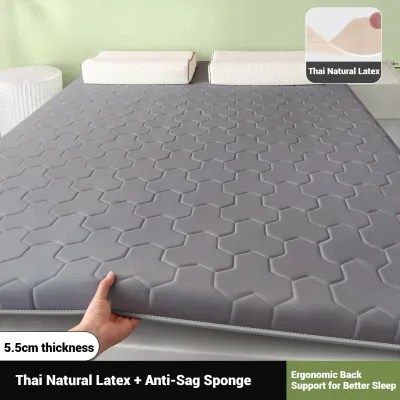
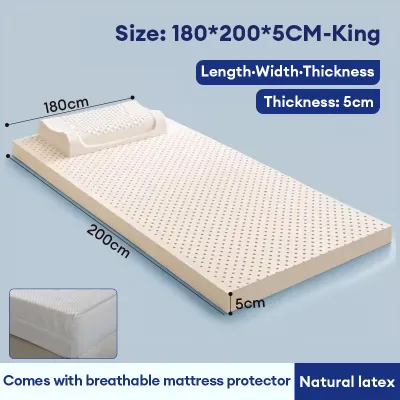
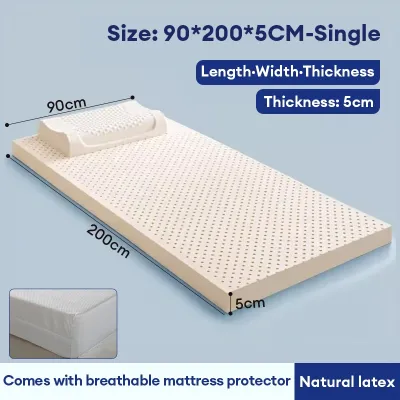
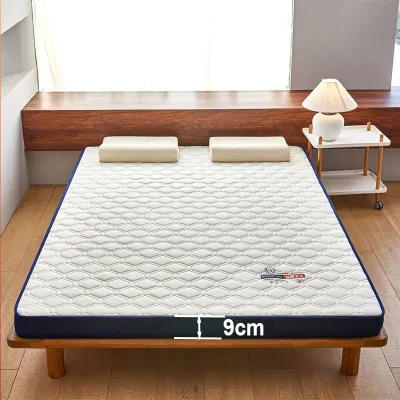


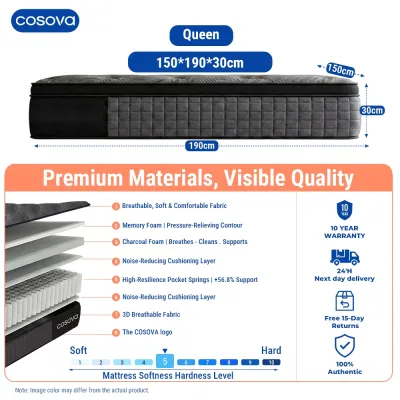
Prices are valid at publication and may change. Please refer to the product page for the latest price.
Humidity management is another critical factor in tropical regions. The Philippines experiences high relative humidity year-round, which can accelerate the growth of household allergens. Natural latex is inherently hostile to dust mites, mold, and bacteria due to the natural properties of rubber sap. However, while the core material is highly resistant to microbial growth, it is not entirely immune to environmental moisture. If humid air is allowed to stagnate around the mattress, or if sweat is trapped within the surface layers without adequate ventilation, mold can still develop on the fabric cover or the outer surfaces of the latex. Therefore, the material’s natural resistance must be supported by proper airflow and environmental care.
Specifications to Verify Before Buying
When shopping for a natural latex mattress in the Philippines, you must look beyond the core material and evaluate specific product specifications that impact temperature and moisture regulation.

Cover Materials and Quilting
The mattress cover is the layer in direct contact with your skin, making its material composition vital for hot-weather comfort. Always check the product label or manufacturer specifications for highly breathable, moisture-wicking fabrics. Natural fibers such as organic cotton, linen, or bamboo-derived rayon are ideal because they absorb sweat and allow it to evaporate quickly, supporting your body’s natural cooling process. Avoid mattresses with thick, synthetic polyester covers or heavy quilted layers filled with polyurethane foam. These synthetic materials act as insulators, trapping heat and moisture right at the surface and preventing your body heat from reaching the breathable latex core below.
Core Aeration and Zoned Designs
To maximize ventilation, examine the aeration pattern of the latex core. Many high-quality natural latex mattresses feature zoned support systems with varying pinhole sizes. Larger or more closely spaced pinholes in high-contact areas, such as the shoulders and hips, serve a dual purpose. They provide targeted pressure relief to keep your spine aligned, and they enhance air circulation in the areas where your body presses deepest into the mattress. Look for specifications that detail these aerated channels, as they are crucial for keeping air moving through the mattress when you turn or shift positions.
Firmness and Surface Sinkage
The perceived warmth of any mattress is heavily influenced by how deeply you sink into it. When you sink deep into a soft mattress, the material wraps around your sides, creating a cocoon effect that traps heat and restricts the flow of ambient air across your skin. For tropical climates, a medium, medium-firm, or firm mattress is generally recommended. A firmer surface keeps your body positioned on top of the mattress rather than cradled inside it. This minimized surface contact allows maximum exposure to room air currents, helping you sleep cooler.
Weight, Dimensions, and Delivery Access
Natural latex is a dense, heavy, and flexible material. Before making a purchase, verify the finished dimensions and total weight of the mattress. Ensure that your home’s entryways, stairwells, and condominium lifts can accommodate the mattress during delivery. A king-size natural latex mattress can weigh over 50 kilograms and is notoriously floppy, making it difficult to maneuver through tight spaces without bending. Additionally, ensure that your existing bed frame is structurally sound enough to support both the substantial weight of the mattress and the sleepers.
Selecting a Bed Base for Maximum Airflow
The bed base you choose is just as important as the mattress itself when it comes to preventing mold and maintaining structural integrity in a humid climate.
The Necessity of Slatted Bed Frames
A slatted bed frame is highly recommended for natural latex mattresses in tropical environments. The gaps between the slats create a continuous ventilation pathway, allowing air to circulate beneath the mattress. This airflow prevents moisture and condensation from building up at the bottom of the bed, which is a primary cause of mold growth. When choosing a slatted frame, check the mattress manufacturer’s guidelines for slat spacing. Typically, slats should be spaced no more than 5 to 7 centimeters apart. This spacing is narrow enough to prevent the flexible latex core from sagging between the gaps, yet wide enough to ensure excellent ventilation.
Avoid Solid Platforms and Floor Placement
Using a solid platform bed, a non-ventilated box spring, or placing your mattress directly on the floor is highly discouraged in humid climates. When you sleep, your body releases heat and moisture. If the bottom of the mattress rests against a solid, non-breathable surface, the temperature differential between the warm mattress and the cooler floor or solid wood can cause condensation to pool. Without a way to escape, this trapped moisture creates an ideal breeding ground for mold and mildew, which can ruin both the mattress and your indoor air quality.
Verifying Frame Load Capacity
Before placing a heavy natural latex mattress on any bed frame, verify the frame’s manufacturer-specified load capacity. The frame must be stable and robust enough to support the combined weight of the latex core, the heavy fabric cover, and the occupants. Look for frames with strong center support legs and high-quality joints to prevent wobbling, squeaking, or structural failure over time.
Care and Mold Prevention in Humid Conditions
To protect your investment and extend the lifespan of your natural latex mattress in a tropical climate, you must implement regular maintenance and environmental controls.
Environmental Control and Ventilation
The most effective way to protect your mattress from humidity is to manage the indoor climate of your bedroom. During the rainy season, when outdoor relative humidity frequently exceeds 80 percent, utilize air conditioning or a dehumidifier to keep indoor relative humidity levels below 60 percent. Keeping the air dry prevents moisture from settling into the mattress fibers. On dry, sunny days, open your bedroom windows to encourage cross-ventilation and allow fresh air to circulate throughout the room.
Daily and Routine Maintenance
Develop a routine of airing out your bed daily. Instead of making your bed immediately after waking up, pull the flat sheets and blankets down to the foot of the bed. Leave the mattress surface exposed for at least one to two hours to allow any accumulated body heat and sweat to evaporate into the room. Additionally, rotate your mattress 180 degrees every three to six months to promote even wear and compression. Always check the manufacturer’s care instructions before rotating, as some highly customized, zoned mattresses are designed to support specific body parts and should not be turned.
Strict Care Prohibitions
To avoid permanently damaging your mattress, observe several strict care prohibitions:
- Never expose natural latex to direct sunlight: While exposing bedding to sunlight is a traditional way to sanitize items, ultraviolet (UV) rays rapidly degrade natural rubber. Direct sunlight causes the latex to oxidize, turn brittle, yellow, and eventually crumble. Always air your mattress in a shaded, well-ventilated indoor space.
- Never soak or steam clean the latex core: Introducing liquid water or steam into the dense latex core is highly damaging. The moisture is incredibly difficult to extract, and any trapped water will lead to internal mold growth and material degradation.
- Never machine wash or dry the latex core: Only the removable outer cover should be washed, and only if the manufacturer's label explicitly states it is machine washable.
Responding to Moisture and Spills
If your mattress is exposed to a liquid spill or if you notice surface dampness due to high humidity, act quickly. First, consult the manufacturer’s care label for specific instructions. Generally, you should remove any bedding and the mattress cover (if removable). Blot up excess liquid immediately using a clean, dry towel without rubbing. Stand the mattress upright on its side in a shaded, well-ventilated room, and position an electric fan to blow air directly across the damp area until it is completely dry. Do not sleep on the mattress or replace the sheets until you have verified that all moisture has evaporated. If the mattress is heavily saturated or if you suspect deep mold growth, consult a professional mattress cleaning service.
Frequently Asked Questions (FAQ)
Does natural latex sleep hotter than memory foam?
Traditional memory foam is made from polyurethane and features a dense, closed-cell structure that relies on body heat to conform to your shape, which naturally traps warmth. Natural latex, on the other hand, is highly resilient and features an open-cell structure combined with molded ventilation pinholes. Because it does not require body heat to contour to your body and allows air to circulate continuously, natural latex generally sleeps significantly cooler than traditional memory foam.
Will a waterproof mattress protector make a latex mattress sleep hot?
Standard waterproof mattress protectors that use thick, non-breathable plastic or vinyl backings will block airflow, trapping heat and body moisture on the surface and making your bed feel hot. If you need liquid protection in a humid climate, look for breathable, waterproof protectors that utilize thin polyurethane membranes paired with natural face fabrics like cotton or bamboo. These advanced membranes allow microscopic air and vapor molecules to pass through while blocking larger liquid molecules, preserving both the breathability of your latex mattress and its protection from spills.
Community discussion
Share your experience or ask a question. Comments are reviewed before publication.