
A single-size sofa bed can be a highly functional, space-saving solution for a small room or studio apartment, provided you carefully measure your layout and understand how the furniture deploys. In compact living spaces, every square meter counts, and a dual-purpose piece helps maximize your floor plan by serving as a seat by day and a sleeper by night. However, whether it is the right fit depends entirely on your daily routine, the physical dimensions of your room when the bed is fully extended, and your tolerance for converting the setup every day. By evaluating your specific spatial constraints and traffic flow, you can determine if this versatile furniture piece will enhance your home or create unwanted bottlenecks.
Measuring Your Room for a Single-Size Sofa Bed
Before browsing online marketplaces or visiting local showrooms, you must establish a clear picture of your available floor space. Start by creating a rough sketch of your room’s layout, noting permanent architectural features that cannot be altered. In many studio apartments, structural columns, pillars, and built-in wardrobes dictate where furniture can realistically sit. Blocking these elements not only restricts access to your belongings but can also disrupt the visual balance of a compact room.
Next, account for the functional zones created by other fixtures in the space. Pay close attention to the swing path of entry doors, bathroom doors, and built-in cabinet doors to check that they do not collide with the sofa bed. Additionally, take note of window sills and the placement of air conditioning units, particularly low-hanging window-type ACs or split-system units. If a sofa bed is too tall or positioned directly underneath an active unit, it may block airflow or expose the upholstery to condensation and moisture in humid tropical climates.
Products mentioned in this guide
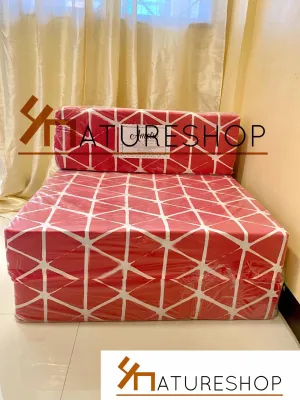


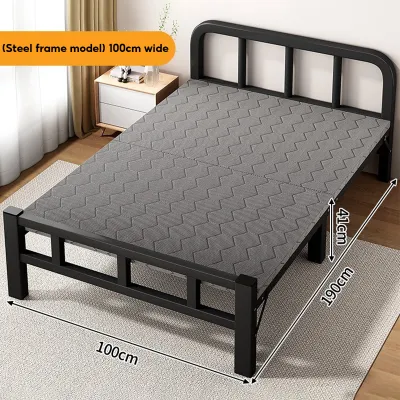
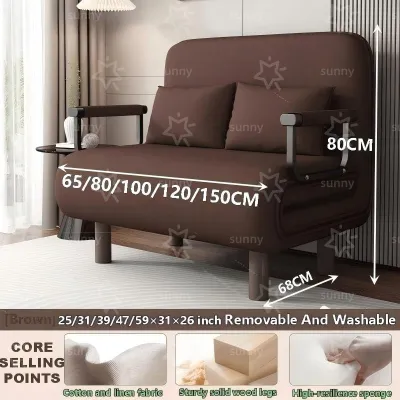
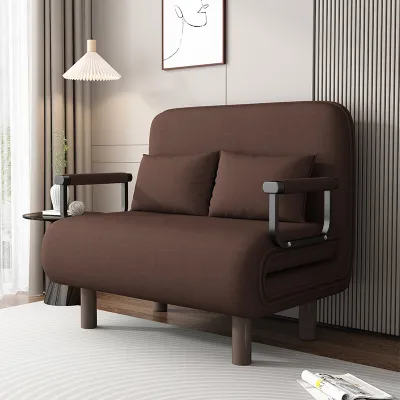

Prices are valid at publication and may change. Please refer to the product page for the latest price.
Finally, remember that a room needs physical and visual breathing room to feel comfortable. Leaving a small gap between the sides of the sofa and adjacent walls or furniture prevents the layout from feeling cramped and claustrophobic. A good rule of thumb is to maintain a clear perimeter around the seating area so that you do not have to squeeze past other items just to sit down. This buffer zone also makes it much easier to clean the floor and manage dust accumulation, which is essential for maintaining a healthy indoor environment.
Checking Sofa Bed Dimensions and Deployment Clearances
When shopping for a sofa bed single size, you must evaluate two distinct sets of measurements: the folded seating footprint and the fully deployed sleeping dimensions. The folded footprint represents how the piece functions as a standard chair or small couch during the day. You will need to compare the manufacturer’s specified width, depth, and height against your designated wall or corner space to ensure it does not protrude too far into your main living area.

The second, and often overlooked, set of dimensions is the fully extended length of the bed mechanism. When pulled out, a single-size sofa bed extends significantly into the room, often requiring a total depth of two meters or more from the back wall. You must measure this extended length against your actual floor space to verify that the mattress can open completely without hitting television consoles, desks, or opposite walls.
Beyond the physical footprint of the open bed, you must plan for adequate clearance around the perimeter. Ensure there is enough space at the foot and sides of the deployed mattress for you to safely get in and out of bed without performing awkward physical maneuvers. This clearance is also vital for the daily chore of making the bed; without sufficient walking space around the frame, tucking in sheets and arranging pillows can become an exhausting, frustrating task in a tight corner.
Evaluating Daily Functionality and Traffic Flow
Living comfortably in a studio apartment requires a layout that supports smooth daily transitions. If you plan to use the single-size sofa bed as your primary sleeping surface, consider the effort required to convert it every morning and evening. A practical setup allows you to transition from daytime seating to nighttime sleeping without needing to lift and relocate heavy coffee tables, side tables, or thick area rugs. If you must rearrange half your room just to open the bed, the configuration will quickly become a daily chore.
Traffic flow is another critical factor when the bed is fully deployed. Essential pathways to the bathroom, kitchenette, or balcony must remain completely unobstructed during the night. If a midnight trip to the kitchen requires climbing over the foot of the bed or squeezing through a tiny gap, the layout poses a safety hazard and compromises your comfort.
Additionally, compact living demands smart storage solutions for bedding accessories. When the sofa bed is folded back into its seating position, you will need a dedicated place to store your pillows, blankets, and bedsheets. Look for sofa beds that feature built-in under-seat storage compartments, or ensure you have designated space in a nearby wardrobe or storage ottoman to keep these items clean, dry, and out of sight during the day.
Navigating Delivery, Assembly, and Access Constraints
A furniture piece can only serve your home if it can actually get inside. Before finalizing your purchase, you must map out the entire delivery route from the building’s unloading zone to your apartment door. This is especially crucial for high-rise condominiums and multi-story apartment buildings where tight spaces are common. Measure the width, height, and diagonal clearance of all entryways, communal stairwells, elevator doors, and your final front door.
Do not forget to account for narrow corridors, low ceilings, and sharp turns in hallways that could trap a large, boxed item. Many delivery failures occur not at the apartment door, but in tight stairwell landings where a long box cannot be pivoted. If the delivery box dimensions exceed these structural limits, you may need to inquire if the item can be delivered unassembled or in smaller, modular packages.
Once the package is inside your room, you will also need sufficient physical space to assemble the frame. Check the manufacturer’s assembly instructions to see if the process requires laying the pieces flat on the floor or using specific tools. If you are placing the sofa bed on an elevated loft platform or a mezzanine level, verify the platform’s weight capacity to ensure it can safely support the combined weight of the furniture, the mattress, and the sleeper.
Exploring Space-Saving Alternatives for Tight Layouts
If your measurements reveal that a single-size sofa bed is too restrictive or bulky for your layout, several alternative furniture options can provide similar versatility. A classic daybed, for instance, maintains a constant footprint and serves as a deep sofa by day with the addition of large back cushions, eliminating the need for a folding mechanism. Alternatively, a fold-down wall bed can free up valuable floor space during the day, though it requires secure anchoring to a structural wall.
For exceptionally narrow layouts, a modular or armless single sleeper chair offers an even smaller footprint. By eliminating wide armrests, these chairs maximize the usable sleeping width while minimizing the overall horizontal space the furniture occupies. This design is highly beneficial for tight corners or multi-functional home offices.
When weighing these alternatives, consider your primary comfort-to-space ratio. If the piece will serve as your main bed every night, prioritizing a supportive mattress mechanism is essential. However, if the item is intended primarily for daytime seating and only occasional guest use, you can prioritize a more compact, lightweight design that leaves your studio feeling open and airy.
Frequently Asked Questions (FAQ)
Do I need a special mattress for a single-size sofa bed?
Yes, standard single mattresses are typically too thick and rigid to fold into a sofa bed frame without damaging the internal mechanism. Sofa beds require specialized, flexible mattresses designed to bend and compress without losing their structural integrity. Before purchasing a replacement mattress, always check the manufacturer’s specifications for the exact thickness, length, and width limits compatible with your specific folding mechanism.
Can a single-size sofa bed fit through a standard apartment door?
Most single-size sofa beds can fit through a standard apartment door, but you must verify the packaged shipping dimensions rather than the assembled size. Boxed furniture is often bulkier and heavier than the final product. Measure your door frame’s clear opening width and compare it to the box specifications, keeping in mind that removing the door from its hinges can sometimes provide a few extra centimeters of crucial clearance.
Community discussion
Share your experience or ask a question. Comments are reviewed before publication.