
Choosing the right furniture for a compact home requires balancing utility, aesthetics, and spatial limits. If you are wondering whether a stainless small table is the right fit for your household, the short answer is yes—provided you value exceptional hygiene, easy sanitization, and a modern industrial look, and are comfortable with a metal surface that requires specific care to remain free of smudges.
While stainless steel is a staple in commercial kitchens, bringing this material into a residential dining room or kitchen area introduces unique practical considerations. To determine if this style aligns with your daily routine and physical space, you must evaluate your floor plan, assess your tolerance for surface maintenance, and compare metal with traditional alternative materials.
Assessing Your Space: Will a Small Stainless Table Fit?
Before purchasing any furniture, you must accurately measure your physical layout to prevent traffic bottlenecks. In interior design, a standard rule of thumb is to maintain at least 24 to 30 inches (approximately 60 to 76 centimeters) of open clearance between the edge of the table and the nearest wall or parallel furniture piece. This clearance ensures that family members can pull out chairs comfortably and walk past seated individuals without squeezing through tight gaps.
Products mentioned in this guide
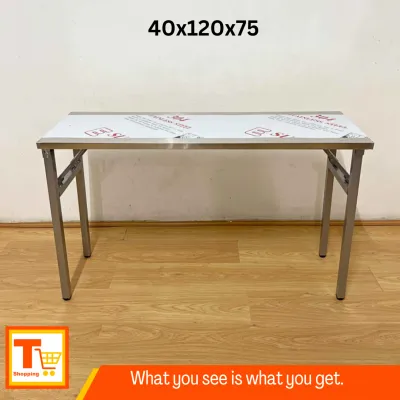
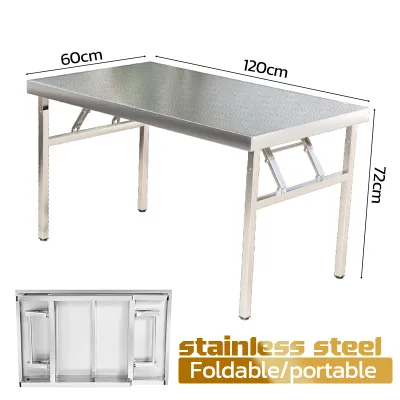
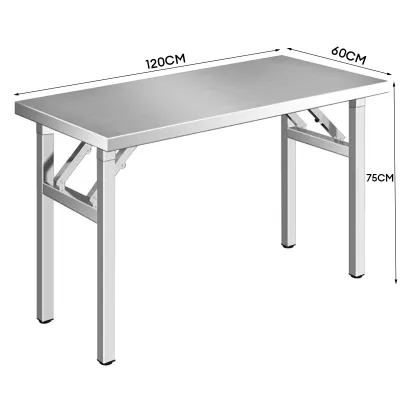
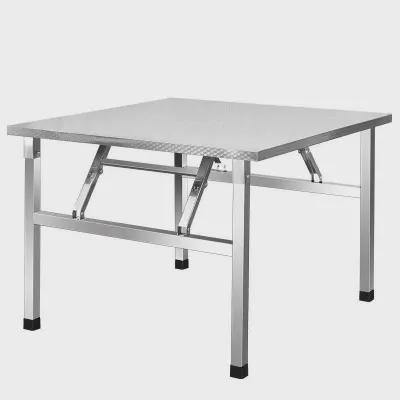
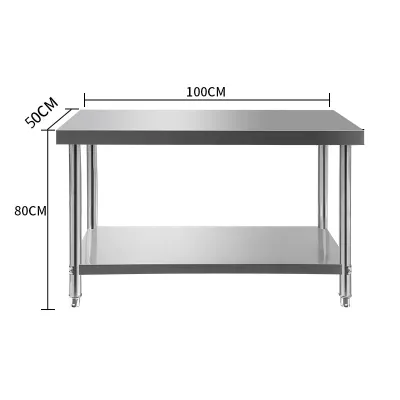
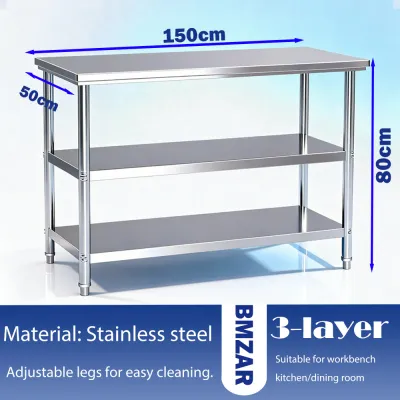
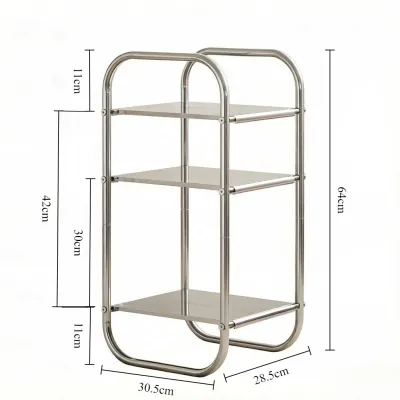
Prices are valid at publication and may change. Please refer to the product page for the latest price.
For exceptionally tight dining areas or compact condominium units common in urban centers, a table with a smaller physical footprint is essential. When measuring your designated area, map out the table’s footprint using painter’s tape on the floor. This simple physical visualization helps you assess whether a rectangular or square model leaves enough room for daily movement, especially near high-traffic zones like the refrigerator or stove.
Beyond the final placement, you must plan the delivery route. Even if a table is marketed as “small,” its shipping box or pre-assembled frame can present structural challenges during transport. Measure the width and height of your front door, narrow hallways, stairwells, and elevator cabins. If you live in a high-rise building, verify the elevator clearance dimensions with your property management office. Selecting a flat-packed model that requires home assembly is often the most practical solution for navigating tight entryways.
Additionally, consider the visual impact of the material. Bulky wooden tables with thick, solid legs can dominate a room visually, making a small kitchen feel cramped and dark. In contrast, a stainless small table with slender, open legs allows light to pass through and around the frame. This reflective quality and minimalist structure reduce visual clutter, helping a small room feel more open, airy, and spacious.
Evaluating Daily Usage: Does Stainless Steel Match Your Routine?
Your daily household habits dictate whether a metal dining or utility surface will be a convenient addition or a source of frustration. One of the primary advantages of stainless steel is its non-porous surface. Unlike wood, it does not absorb liquids, oils, or food colors, making it incredibly easy to wipe clean after prep work or meals. This makes it highly practical for households that prioritize rapid cleanup and deep sanitization.

However, maintaining the pristine appearance of a metal surface requires realistic expectations. While stainless steel is highly resilient and will not chip or shatter, it is susceptible to showing fingerprints, oil smudges, water spots, and fine hairline scratches over time. To minimize the appearance of daily wear, check the product specifications for the metal’s finish. A brushed or satin finish is highly recommended for residential use, as the textured grain helps conceal minor scratches and smudges far better than a highly reflective, mirrored finish.
In tropical environments with high humidity, such as the Philippines, water spots can dry quickly and leave noticeable mineral deposits on metal surfaces. To prevent this, you must commit to drying the table with a soft cloth after wiping it down, rather than letting it air-dry. Always review the manufacturer’s care instructions before applying cleaning agents; avoiding abrasive scrubbing pads and harsh chemical cleaners is essential to preserving the metal’s protective chromium oxide layer.
Sensory comfort is another factor to consider. Metal surfaces are naturally cold to the touch, which can feel jarring in an air-conditioned room or during cooler mornings. Additionally, placing ceramic plates, glassware, and metal cutlery directly onto a stainless steel top can create loud, clinking noises. If you prefer a quiet, cozy dining environment, you can easily mitigate these sensory issues by using fabric placemats, silicone coasters, or a woven table runner.
Finally, do not assume that all metal tables possess identical structural strength. Load capacity is determined by the gauge of the steel, the thickness of the tabletop, and the design of the under-table bracing. Before placing heavy kitchen appliances—such as a stand mixer, a large microwave, or heavy cast-iron cookware—on the table, verify the manufacturer’s rated weight limit. If you plan to use the table for heavy-duty food preparation, look for models featuring reinforced under-panels and stable, braced legs to prevent bowing or wobbling.
Comparing Alternatives: When to Choose Wood, Glass, or Plastic Instead
To confirm if stainless steel is your best option, compare its characteristics directly against other common compact table materials. Each material serves different lifestyle priorities, budgets, and design aesthetics.
- Solid or Engineered Wood: Wood brings natural warmth, texture, and a traditional feel to a home. However, wood is highly sensitive to moisture, humidity fluctuations, and hot dishes, which can cause warping, splitting, or permanent heat rings. Wood requires diligent use of coasters and immediate spill cleanup, making it less suitable for heavy-duty kitchen prep but ideal for cozy, low-impact dining.
- Tempered Glass: Glass tables excel at creating visual transparency, making them virtually invisible in small rooms and maximizing the perception of space. The trade-off is that glass requires constant cleaning to remove fingerprints, dust, and smudges. It also carries a risk of edge chipping or scratching if struck by heavy objects.
- High-Density Plastic or Resin: These tables are exceptionally lightweight, highly portable, and budget-friendly, often costing between ₱1,500 and ₱4,000. While they are highly practical for temporary setups or outdoor balconies, they lack the structural rigidity, heat resistance, and high-end aesthetic appeal of stainless steel.
| Material | Primary Benefit | Main Maintenance Challenge | Best Suited For |
|---|---|---|---|
| Stainless Steel | Maximum hygiene, heat resistance, industrial style | Fingerprints, water spots, fine scratches | Active kitchens, modern spaces, heavy prep |
| Wood | Aesthetic warmth, classic design variety | Vulnerable to moisture, heat rings, warping | Cozy dining rooms, traditional interiors |
| Tempered Glass | High visual transparency, modern look | Constant smudging, risk of edge chipping | Formal dining, ultra-small rooms |
| Plastic / Resin | Lightweight, highly affordable, portable | Lower structural durability, low heat tolerance | Temporary setups, outdoor balconies |
Making the Decision: Signs You Should Buy (or Skip) a Small Stainless Table
To finalize your choice, evaluate how your household aligns with these definitive indicators.
You should buy a small stainless steel table if:
- You have limited kitchen or dining space but require a highly durable, heat-resistant surface for food preparation.
- You prioritize quick, medical-grade sanitization and want a surface that can be wiped down completely in seconds.
- Your home decor leans toward modern, industrial, minimalist, or loft-style aesthetics.
- You are willing to perform routine maintenance, such as wiping the surface in the direction of the metal grain to keep it looking clean.
You should skip a small stainless steel table if:
- You prefer a warm, traditional, or rustic home aesthetic that relies on natural wood tones.
- You are highly sensitive to the clinking sounds of dishes or the cool physical touch of metal surfaces.
- You find the appearance of fingerprints, water spots, or superficial scratches highly frustrating.
- You require a table with an exceptionally high weight capacity but the specific model’s specifications cannot guarantee it.
Before completing your purchase, always cross-reference the exact finished dimensions, assembly requirements, maximum load limits, and return policies on the manufacturer’s official website or authorized retail channels. This ensures that the table you receive matches your physical space and functional expectations perfectly.
Frequently Asked Questions (FAQ)
How do I prevent water spots and fingerprints on a stainless steel table?
To minimize water spots and fingerprints, clean the surface daily using a soft microfiber cloth dampened with warm, mild soapy water. Always wipe and buff the metal in the direction of the brushed grain rather than in circular motions. To preserve the protective chromium oxide layer of the steel, check the product care label and strictly avoid using chlorine bleach, highly abrasive scrubbing pads, or harsh chemical cleaners, as these can cause micro-scratches and invite corrosion over time.
Can a small stainless steel table support heavy kitchen appliances?
Material composition alone does not guarantee weight capacity. You must check the manufacturer’s official product specifications for the rated load limit. If you intend to place heavy appliances like microwaves, ovens, or stand mixers on the table, look for models that feature a thicker steel gauge (such as 18-gauge or thicker), reinforced under-table support channels, and robust leg bracing to ensure long-term stability and prevent the tabletop from sagging.
Community discussion
Share your experience or ask a question. Comments are reviewed before publication.