
Choosing the right bed frame for a compact condo bedroom is a balancing act between physical footprint, visual weight, and practical usability. A solid wood splicing bed can be an exceptional space-saving solution, but its success depends entirely on whether you are selecting it for its material construction or its structural modularity. Understanding how these design elements behave in tight quarters is the key to maximizing your limited floor area.
In high-rise residences where every square meter counts, spatial efficiency is measured by more than just the bed’s final assembled footprint. It is also determined by how easily the components navigate narrow service elevators, tight entryways, and sharp hallway corners during delivery. By evaluating how a solid wood splicing bed fits into your overall layout, you can create a comfortable sleeping environment without making your bedroom feel cramped.
Understanding Solid Wood Splicing Beds: Material vs. Structure
To make an informed decision, you must first distinguish between material splicing and structural splicing, as these terms refer to entirely different aspects of a bed’s construction. Material splicing involves bonding smaller blocks or strips of solid wood—such as rubberwood, pine, or acacia—under high pressure using specialized adhesives to create larger, highly stable panels. This manufacturing method, often seen in finger-jointed or edge-glued panels, prevents the warping, cupping, and cracking common in single large slabs of timber while significantly reducing production costs.
Products mentioned in this guide

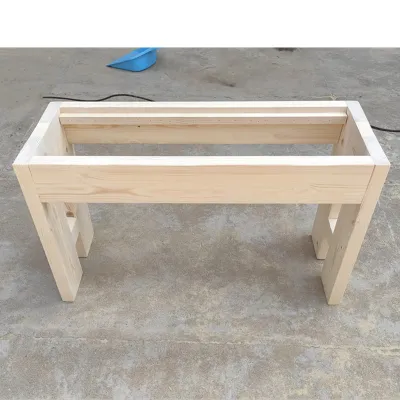
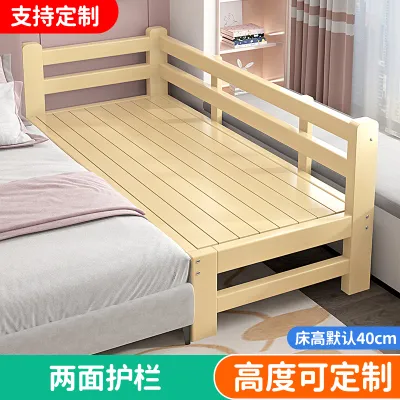
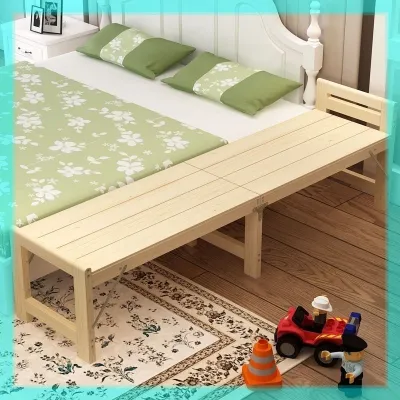

Prices are valid at publication and may change. Please refer to the product page for the latest price.
Structural splicing, on the other hand, refers to the modular engineering of the bed frame itself. Instead of relying on a single, bulky headboard or a pre-assembled base, a structurally spliced frame consists of interlocking components, modular slats, and segmented side rails that connect securely during installation. This modular approach allows for a highly stable, heavy-duty frame that can be transported in flat-packed boxes rather than as a single, unmanageable piece of furniture.
Living in a tropical climate like the Philippines introduces specific challenges for solid wood furniture due to dramatic seasonal shifts in relative humidity. Solid wood naturally expands and contracts as it absorbs and releases moisture from the air. Spliced wood panels are structurally advantageous here, as their alternating grain directions counteract these natural movements, making them far less prone to warping than solid single-plank timber. However, you must still verify that the manufacturer has properly kiln-dried the timber and sealed it with a moisture-resistant finish, such as polyurethane, to protect against humidity-induced swelling or mold.
Because spliced wood panels are inherently stable, manufacturers can design thinner, sleeker frames that do not sacrifice load capacity or structural integrity. This allows you to enjoy the warmth, beauty, and durability of real timber without the unnecessary bulk associated with traditional rustic furniture. It sets a reliable baseline for a bed frame that is both physically compact and exceptionally sturdy.
How Solid Wood Splicing Beds Impact Small Condo Spaces
The visual weight of a bed frame plays a critical role in how large your bedroom feels. Heavy, dark-stained wood frames with thick corner posts can dominate a small room, making a standard 20-square-meter studio condo feel claustrophobic. A minimalist solid wood splicing bed, particularly one crafted from lighter timbers like rubberwood or light ash, maintains clean lines and open sightlines. This low-profile aesthetic prevents the bed from visually overwhelming the space, helping the room feel lighter and more open.

Under-bed clearance is another vital factor when evaluating storage options in a condo that lacks built-in closet space. Many solid wood splicing beds are designed with elevated platform legs, providing a ground clearance of 15 to 25 centimeters. This open space is highly functional, allowing you to slide low-profile storage bins underneath to store off-season bedding, luggage, or extra linens out of sight. If you choose a frame that sits flush to the floor, you lose this valuable storage potential, making a raised splicing frame a much more flexible alternative.
Delivery logistics can be a major headache for high-rise residents. Many Philippine condo developments have strict elevator weight limits, low ceiling clearances, and narrow fire stairwells that make moving traditional furniture incredibly difficult. Because a structurally spliced bed frame is delivered in separate, flat-packed boxes, it easily clears these spatial bottlenecks. The individual components can be carried up standard passenger lifts and maneuvered around tight hallway corners without risking damage to your walls or the bed frame itself.
Comparing Bed Frames for Small Bedrooms: Wood vs. Alternatives
When comparing a solid wood splicing bed to a metal bed frame, the primary trade-offs are stability, noise, and visual warmth. Metal frames are often praised for their ultra-thin profiles and lightweight construction, which can make a room feel airy. However, budget-friendly metal frames are highly susceptible to squeaking over time as joints loosen, and they can slide easily on polished condo tiles. A solid wood splicing bed offers superior structural dampening, eliminating annoying creaks while providing a warm, organic texture that makes the bedroom feel more inviting.
Upholstered bed frames are popular for their plush, cozy aesthetic, but they are notorious space consumers in compact bedrooms. The thick foam padding and fabric wrapping on upholstered headboards and side rails can easily add 10 to 20 centimeters to both the width and length of the bed. In a tight layout, these extra centimeters can make the difference between a closet door opening fully or hitting the side of the bed. A minimalist solid wood splicing bed keeps its outer dimensions as close to the actual mattress size as possible, saving precious floor space.
Hydraulic storage beds offer massive, integrated compartments beneath the mattress, which is highly appealing for small spaces. However, these frames are incredibly heavy, difficult to assemble, and nearly impossible to move once installed, making them impractical for renters or frequent movers. A solid wood splicing bed paired with independent, rolling under-bed storage boxes offers a comparable amount of storage space but with significantly better mobility, lower cost, and easier disassembly.
How to Measure Your Condo Bedroom for a New Bed Frame
To ensure your new bed frame fits comfortably without disrupting your daily routine, you must follow a systematic measuring process. Never rely solely on standard mattress dimensions when planning your layout. While a standard Philippine Queen mattress measures 152 by 190 centimeters, the actual outer dimensions of a solid wood frame can be significantly larger due to headboard thickness, decorative footboards, or angled legs. Always obtain the exact outer dimensions from the manufacturer’s specification sheet before making a purchase.
Next, map out the clearances and pathways within your bedroom using painter’s tape on the floor. You should maintain a minimum walkway of 60 centimeters around all accessible sides of the bed to allow for comfortable movement. Pay close attention to the swing radius of nearby wardrobe doors, bathroom doors, and entryways. If you have hinged closet doors that require wide clearance, a sliding door wardrobe or a slightly shifted bed position may be necessary to prevent daily collisions.
Finally, check the location of permanent fixtures such as windows, electrical outlets, and air conditioning units. Ensure the headboard does not block natural light or restrict access to window latches, which are essential for maintaining proper indoor ventilation. Additionally, avoid positioning the bed directly underneath an air conditioning unit where condensation drips could potentially damage the wood finish, or where direct, cold airflow could affect your sleeping comfort.
Before finalizing your order, measure the entire delivery route from the building’s unloading bay to your bedroom door. Take precise measurements of the service elevator’s height, width, and depth, as well as any low-clearance doorways or tight turns in your condo’s corridors. Since solid wood splicing beds are shipped in flat-packed boxes, verify the length of the longest package—usually the side rails—to guarantee it can be transported safely to your unit.
Common Layout and Sizing Mistakes in Small Bedrooms
One of the most frequent mistakes in small bedroom design is ignoring the physical bulk of decorative headboards and footboards. While a tall, ornate wooden headboard might look beautiful in a spacious showroom, it can make a small condo bedroom feel incredibly cramped. Opting for a low-profile, minimalist headboard or a headboard-free splicing frame keeps the focus on clean lines and maximizes usable wall space.
Another common error is placing the bed frame too close to windows, which can block natural light and restrict cross-ventilation. In tropical environments, maintaining good airflow is critical for preventing indoor humidity buildup and keeping the room cool. A bed that blocks a window also makes it difficult to operate curtains or blinds, leading to unnecessary daily frustration.
Mismatched mattress thickness can also ruin the proportions and functionality of a low-profile wooden frame. Placing an exceptionally thick, 35-centimeter pocket-spring mattress on a low platform frame can completely hide a minimalist headboard and make the bed awkward to climb into. For low-profile splicing beds, a mattress thickness of 20 to 25 centimeters generally provides the best visual balance and comfortable seating height.
Lastly, many condo owners fail to account for the swing radius of nearby doors when positioning their bed. A frame that blocks a bathroom door from opening fully, or prevents a closet drawer from sliding out, quickly becomes a major inconvenience. Carefully plotting these clearance zones beforehand ensures your bedroom remains highly functional.
Frequently Asked Questions (FAQ)
Does solid wood furniture make a small room feel smaller?
It depends entirely on the design, finish, and profile of the specific piece. Bulky, dark-stained solid wood frames can dominate a compact room and make it feel visually enclosed. However, a minimalist solid wood splicing bed featuring clean lines, a low profile, and a light natural finish—such as oak, rubberwood, or light ash—preserves open sightlines and brings a warm, organic texture that enhances the room’s comfort without overwhelming the space.
Can I easily disassemble a splicing bed if I move to another condo?
Yes, provided you choose a frame designed with high-quality mechanical structural splicing. Frames that utilize steel-on-steel bolt connections, threaded metal inserts, or modular bracket systems can be disassembled and reassembled multiple times without compromising their structural integrity. You should avoid beds that rely on permanent wood glue or cheap wood screws driven directly into the timber, as these joints will strip and weaken if you attempt to take them apart during a move.
Community discussion
Share your experience or ask a question. Comments are reviewed before publication.