
A stainless steel table can be a highly practical addition to a kitchen and dining area in the Philippines, serving as a versatile hybrid of a heavy-duty food preparation surface and a modern dining spot. Its suitability for your home depends on how you balance its industrial aesthetic and tendency to show surface scratches against its outstanding hygiene and heat resistance. For households that engage in frequent, heavy cooking and require a low-maintenance surface that handles everything from hot pots to active meal prep, this material offers distinct advantages. However, achieving long-term satisfaction requires selecting the correct grade of steel, understanding how it reacts to tropical humidity, and committing to simple but consistent daily maintenance routines.
Evaluating Stainless Steel for Daily Kitchen and Dining Use
When assessing a stainless steel table for daily use, durability and heat tolerance are often the primary reasons homeowners consider this material. In a busy household, the dining table frequently serves as an extension of the kitchen counter, accommodating hot serving dishes, heavy grocery bags, and active meal preparation. Stainless steel is highly resilient under these conditions, resisting structural damage from warm items and heavy impacts. However, because manufacturing standards vary, you should always check the product specifications for the manufacturer’s recommended load capacity and heat limits rather than assuming the table is indestructible.
Hygiene is another significant benefit of integrating stainless steel into your dining space. The non-porous nature of the metal means that spilled liquids, oils, and food particles cannot penetrate the surface, preventing the growth of bacteria, mold, and mildew. In warm climates, this non-porous barrier makes cleaning up after meals exceptionally straightforward and helps maintain a sanitary environment. Unlike wood or stone, which may require periodic sealing to prevent deep stains, steel provides a consistent, easy-to-sanitize surface.
Products mentioned in this guide
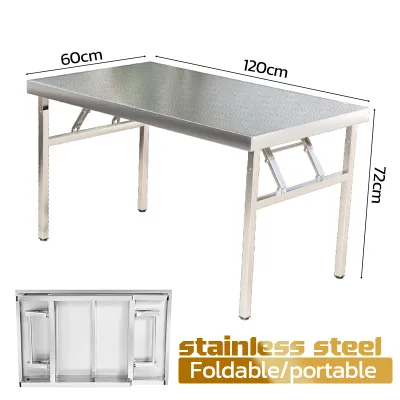
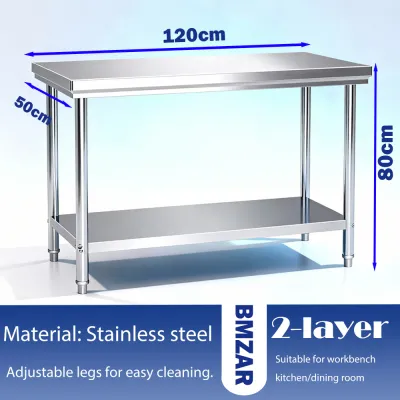
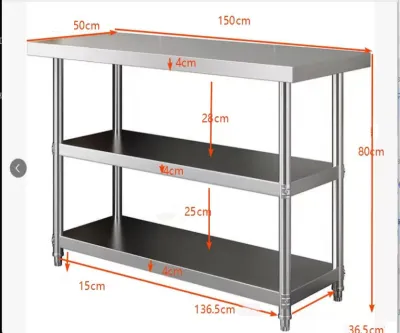
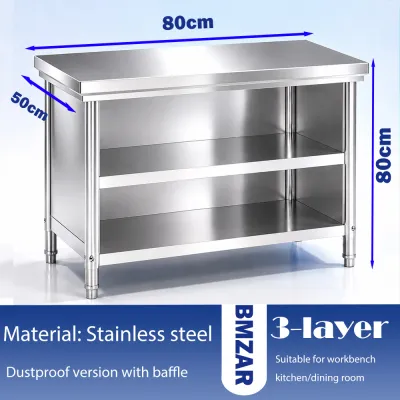
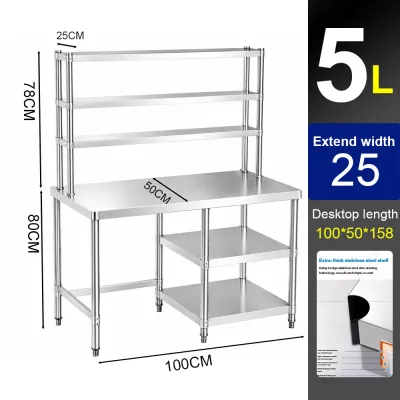
Prices are valid at publication and may change. Please refer to the product page for the latest price.
Despite these functional benefits, the aesthetic trade-offs require careful consideration. A stainless steel table introduces a distinct industrial look that may feel cold or sterile compared to traditional wooden furniture. Furthermore, the surface is highly reflective and prone to showing fingerprints, water spots, and micro-scratches from daily use. Over time, these fine scratches will merge into a matte patina, which is a normal characteristic of the material. If you prefer a flawless, mirror-like surface, the constant visibility of smudges and minor wear may prove frustrating for a primary dining area.
How Local Climate and Cooking Habits Affect Stainless Steel
The tropical climate in the Philippines presents unique challenges for metal furniture, primarily due to high relative humidity and ambient moisture. While stainless steel is naturally resistant to corrosion, lower-quality grades can still develop rust over time when exposed to persistent dampness. To ensure longevity, it is essential to check the product label or manufacturer specifications for the steel grade. Grade 304 is highly recommended for residential environments due to its high nickel and chromium content, which provides robust resistance to rust, whereas Grade 430 is more susceptible to corrosion in humid conditions.

Managing condensation is another daily reality in tropical households, where cold drinks and iced pitchers are frequently placed on the dining table. When warm, humid air meets the cool metal surface, significant condensation can form, leaving behind unsightly water spots and mineral rings as it evaporates. To keep the table looking clean, you will need to use coasters or promptly wipe away pooled water.
Local cooking habits also influence how the material behaves over time. Traditional dishes often involve acidic ingredients such as vinegar, calamansi juice, and tomatoes, alongside heavy oils and pungent spices. If acidic food splatters or citrus juices are left on the stainless steel surface for extended periods, they can chemically react with the metal, causing localized etching or dull spots. Promptly wiping away food residue during and after cooking is vital to protecting the integrity of the surface finish.
Maintenance and Cleaning Requirements
Maintaining the clean appearance of a stainless steel table does not require expensive specialty products, but it does demand a consistent routine. For daily cleaning, a soft microfiber cloth dampened with warm water and a few drops of mild dish soap is usually sufficient to remove grease and food residue. To prevent the formation of dull water marks and mineral deposits from tap water, always follow the wet wipe with a clean, dry microfiber cloth to buff the surface completely dry.
Choosing the right cleaning agents is critical to preserving the protective outer layer of the steel. You must avoid abrasive scrubbing pads, steel wool, and harsh chemicals such as chlorine bleach or ammonia, as these can scratch the metal and strip away its natural rust resistance. If a stubborn stain or grease buildup occurs, use a paste made of baking soda and water, applying it gently with a soft cloth before rinsing and drying thoroughly.
When cleaning or polishing the table, always observe the direction of the brushed finish, commonly referred to as the grain. Wiping across the grain can push dirt into the microscopic grooves and create visible cross-scratches that disrupt the uniform look of the metal. By consistently wiping parallel to the grain, you minimize the visibility of daily wear and help maintain the table’s original luster over years of use.
What to Check Before Buying a Stainless Steel Table
Before making a purchase, verifying the specific material grade and surface finish on the product label is the most important step. A brushed or satin finish is generally much more practical for a dining table than a polished, mirror-like finish, as it does a better job of concealing fingerprints and minor scratches. Additionally, check whether the tabletop is constructed from solid stainless steel or if it features a wood-composite backing underneath the metal sheet, which is often used to deaden sound but can warp if exposed to excessive moisture from below.
You must also measure your available space and plan for delivery access. Ensure there is at least 90 centimeters of clearance between the table edge and the nearest wall or cabinet to allow chairs to slide out easily. If you are selecting a large table to accommodate a family of 6 to 10 people, carefully measure your doorways, narrow hallways, and elevator dimensions to confirm the delivery team can safely transport the fully assembled frame into your home.
Finally, inspect the structural design, leg stability, and assembly conditions of the table. Look for models with robust welded joints or heavy-duty bolts, and check if the legs feature adjustable leveling feet to prevent wobbling on uneven tile floors. Review the manufacturer’s specified weight capacity to ensure the frame can handle the pressure of daily dining, heavy kitchen appliances, or family gatherings without flexing or tipping.
Frequently Asked Questions (FAQ)
Can I place hot pots directly on a stainless steel table?
While stainless steel has high heat tolerance, placing extremely hot cookware directly from the stove onto the table surface is not recommended. You should always check the manufacturer’s guidelines for specific temperature limits. Using trivets, silicone mats, or heat-resistant pads is highly recommended to prevent localized thermal expansion, which can cause temporary warping or permanent discoloration of the metal finish.
Does stainless steel rust in a humid environment?
Stainless steel is highly resistant to corrosion, but it is stain-resistant rather than completely rust-proof. In highly humid environments, or when exposed to standing water, salt air, and harsh cleaning chemicals, surface rust can develop. If you notice small orange spots, they are typically superficial and can be safely removed using a paste of baking soda and water or a manufacturer-approved non-abrasive metal polish, followed by thorough rinsing and drying.
Community discussion
Share your experience or ask a question. Comments are reviewed before publication.