
Finding the right storage for your dining room is a balance of aesthetics, spatial limits, and environmental durability. If you are eyeing a talitha steel cabinet for your dining room, the short answer is that it can be an exceptional, highly durable choice—especially if you want to protect your dinnerware from tropical pests and desire a modern, industrial edge. However, whether it is the absolute best fit depends heavily on what you plan to store, your room’s layout, and how you manage the local climate.
Unlike traditional wooden buffets, a steel cabinet brings a distinctive structural rigidity and a sleek profile to the dining area. Before making this investment, you must weigh how its metal construction handles heavy stoneware, how it fits into your physical space, and how to maintain its finish against the natural humidity of the Philippines.
Define Your Dining Storage and Display Goals
Clarifying your primary storage objectives is the first step in choosing the right furniture. Dining rooms often require a mix of display space for fine china and concealed compartments for everyday clutter like table runners, extra cutlery, and serving trays. A steel cabinet typically offers a clean-lined, structured framework that can serve either purpose, but you must decide whether you want your items visible through glass panels or hidden entirely behind solid steel doors.
Products mentioned in this guide

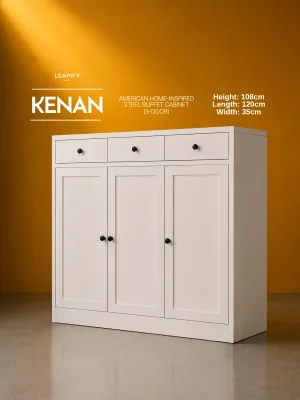
Prices are valid at publication and may change. Please refer to the product page for the latest price.
Compare this functionality with traditional options to see what suits your lifestyle. A classic wooden sideboard or buffet often features deep drawers and wide, low-slung surfaces that double as serving stations during family gatherings. In contrast, a taller steel cabinet maximizes vertical space, making it highly efficient for compact dining areas but less suited for direct buffet-style food presentation on its top surface.
Take inventory of your dining essentials before committing to a specific design. Gather your largest dinner plates, tall wine glasses, and heavy ceramic serving bowls, and measure their dimensions. Standard steel shelving configurations are sometimes fixed or offer specific increment adjustments, so you must verify that your largest platters or stacks of plates can sit comfortably without touching the doors or crowding the shelves.
Assess the fragility of your items to determine if metal is the right backdrop. Placing delicate glassware directly onto hard metal shelves can cause vibrations or minor chips if not handled carefully. Knowing exactly what you intend to store allows you to plan for protective measures, such as soft liners, or to decide if a more forgiving material like wood is better suited for your delicate heirlooms.
Evaluate Steel as a Dining Room Material
Steel has transitioned from industrial warehouses and offices into modern residential dining spaces, bringing a unique set of material characteristics. While wood has long been the default choice for dining furniture, steel offers an uncompromising structural integrity that redefines how we think about long-term furniture investments. Understanding these material properties helps you set realistic expectations for daily use.

Durability and Load-Bearing Checks
One of the most significant advantages of steel in tropical regions like the Philippines is its complete resistance to common household pests. Unlike natural wood, which can fall victim to termites (anay) and wood-boring beetles, a steel cabinet remains entirely impervious to insect damage. It will not warp, swell, or crack when the weather transitions from the dry season to intense monsoon rains.
However, a material’s name alone does not guarantee infinite weight capacity. Before stacking heavy stoneware, ceramic plates, or cast-iron serving dishes inside your cabinet, you must check the manufacturer’s specification label or product manual for the exact load limits per shelf. Overloading steel shelves can cause them to bow or sag over time, compromising both the cabinet’s structural integrity and the safety of your dinnerware.
You should also pay close attention to the stability of the unit. Taller steel cabinets have a higher center of gravity, especially when loaded with heavy items on the upper shelves. Always verify if the cabinet includes wall-anchoring hardware, and ensure it is properly secured to your dining room wall to prevent tipping hazards.
Aesthetics and Visual Weight
From a design perspective, steel introduces a crisp, minimalist, or industrial aesthetic that contrasts sharply with the traditional warmth of wood or woven rattan. The clean lines and sharp corners of a talitha steel cabinet can give your dining room a highly contemporary, curated feel that pairs beautifully with modern glass or concrete dining tables.
The visual impact of a steel cabinet also depends on its color, finish, and physical bulk. A matte black or dark charcoal steel cabinet can act as a bold anchor piece, but it may feel visually heavy in a small, dimly lit dining room. Conversely, lighter finishes or models featuring glass-front doors can make a compact space feel sleeker, airier, and more open by allowing light to pass through.
Verify Space, Clearance, and Delivery Access
Because steel is a rigid, unyielding material, pre-purchase measurements are non-negotiable. Unlike flat-packed wooden furniture that can sometimes be angled or squeezed through tight corners during assembly, a fully assembled or heavy steel cabinet leaves no room for error. You must meticulously map out your dining room to ensure a seamless fit.
Begin by measuring your intended wall space with absolute precision. Do not just measure wall-to-wall; account for the thickness of baseboards, skirting boards, and the location of electrical outlets or light switches that the cabinet might block. A cabinet that sits flush against the wall is inherently more stable and visually appealing.
Next, evaluate the operational clearance within the room. Measure the swing radius of the cabinet doors and the full extension of any drawers to ensure they can open completely without striking your dining table, chairs, or adjacent walls. There should be comfortable walking space around the cabinet even when its doors are fully propped open.
Do not overlook the logistics of getting the cabinet into your home. Measure the height and width of your front door, hallway corners, stairwells, and elevator cabins. Large steel cabinets are heavy and cannot be bent or disassembled easily, making tight stairwells a major bottleneck during delivery.
Finally, plan for floor protection. Steel legs or solid metal bases can easily scratch or dent delicate flooring materials like ceramic tile, luxury vinyl planks, or polished hardwood when the cabinet is moved or loaded with weight. Investing in heavy-duty felt pads or rubber floor protectors to place under the cabinet’s feet is a simple, highly effective way to safeguard your floors.
Manage Humidity and Daily Maintenance
Living in a tropical climate means humidity is a constant factor in home maintenance. While a steel cabinet is immune to the rotting and warping that plagues wooden furniture, it presents its own unique environmental vulnerabilities. Understanding how to manage moisture is key to keeping your cabinet looking pristine for years to come.
The primary vulnerability of steel in high-humidity environments is rust. Although modern steel furniture is typically treated with protective coatings, any deep scratches, chipped paint, or untreated metal surfaces can oxidize when exposed to damp air. This makes the quality of the cabinet’s initial finish incredibly important.
Upon delivery, perform a thorough visual inspection of the cabinet’s powder-coating or painted finish. Look closely at the corners, joints, and interior shelves for any signs of uneven application, bubbles, or exposed metal. If you spot any defects, address them immediately with the retailer or manufacturer before setting up the unit.
Daily maintenance of a steel cabinet is remarkably straightforward but requires a gentle touch. Clean the surfaces regularly using a dry or slightly damp microfiber cloth to remove dust and fingerprints. Avoid using harsh chemical solvents, bleach, or abrasive scrubbing pads, as these can strip away the protective powder coat and leave the underlying steel exposed to moisture.
Final Verdict: Should You Choose a Talitha Steel Cabinet?
Deciding whether to bring a talitha steel cabinet into your dining room comes down to aligning your practical needs with your personal style. By evaluating your storage habits, spatial limits, and maintenance preferences, you can make a confident decision that enhances both the utility and beauty of your home.
- Choose Steel If:
- You live in an area highly prone to termites or wood-boring pests and want a cabinet that will never suffer insect damage.
- You prefer a modern, industrial, or minimalist interior design style with clean, sharp lines.
- You want low-maintenance furniture that is easy to wipe clean and does not require periodic oiling or polishing.
- You need a highly rigid, durable structure that resists warping during seasonal humidity shifts.
- Look for Alternatives If:
- You want to create a warm, traditional, or rustic dining room ambiance that only natural wood or rattan can provide.
- You require a lightweight piece of furniture that you can easily rearrange or move on your own.
- You need highly customized, intricate storage features like felt-lined cutlery drawers or specialized wine racks.
- You are unable to secure the cabinet to a wall and have concerns about top-heavy stability on uneven floors.
Frequently Asked Questions (FAQ)
How do I protect a steel dining cabinet from rust in a humid climate?
To protect your steel cabinet from rust in a humid environment, place it away from direct moisture sources, such as open kitchen windows, cooking steam, or indoor humidifiers. Ensure your dining room has adequate ventilation, and immediately wipe up any liquid spills with a dry cloth. You can also consult the manufacturer’s care guide to see if applying a thin layer of specialized furniture wax is safe and recommended for your cabinet’s specific finish.
Will a steel cabinet dent easily if I drop heavy plates on it?
While steel is exceptionally tough and will not crack or split like wood, thin sheet metal can dent or scratch under sudden, heavy impacts. To prevent accidental damage from heavy ceramic plates or stoneware, consider using soft shelf liners, felt placemats, or decorative trivets on the surfaces. Handling your dinnerware with care when loading and unloading the shelves will keep both your plates and the cabinet’s finish in pristine condition.
Community discussion
Share your experience or ask a question. Comments are reviewed before publication.