
Evaluating whether a specific storage solution is suitable for a house move requires looking beyond its everyday use. While plastic storage bins like the Zooey Box are popular for home organization, transitioning them into moving containers for a lipat bahay in the Philippines involves distinct physical and logistical demands. This guide helps you inspect your bins, verify their specifications, and plan your packing strategy to ensure your belongings arrive safely without damaging the containers or your items.
Using plastic utility boxes can be a highly practical choice, especially when dealing with unpredictable tropical weather. However, success depends on understanding the structural limits of your containers and packing them with the right materials. By taking a systematic approach to inspection and preparation, you can protect your household goods from dust, moisture, and transport stress.
Evaluating the Zooey Box for Your Lipat Bahay
Analyze the physical design of typical plastic utility boxes before committing them to a move. These containers feature molded plastic bodies, snap-on or latching lids, and sometimes integrated wheels or molded handle grips. While these features are useful for static home storage, they behave differently under the physical stress of transit.
Products mentioned in this guide
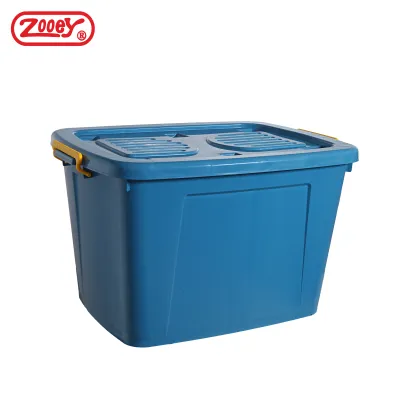
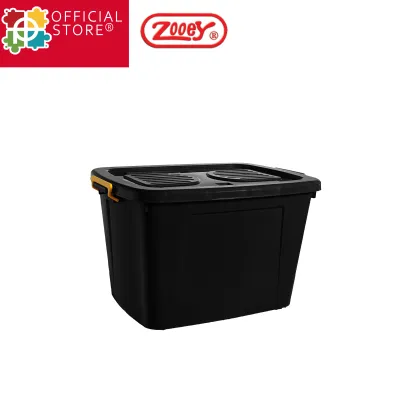
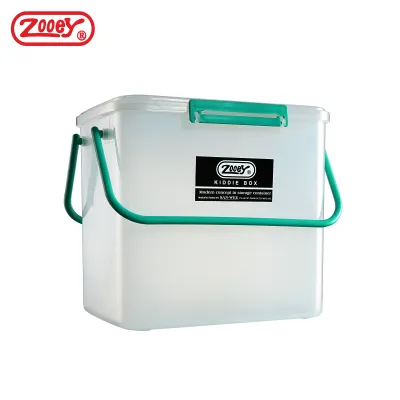
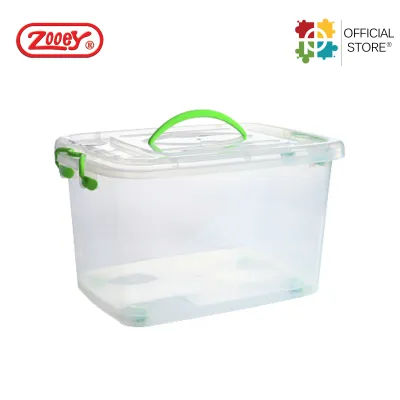
Prices are valid at publication and may change. Please refer to the product page for the latest price.
Compare plastic bins to standard corrugated cardboard boxes to understand their trade-offs. Cardboard is highly customizable, easy to label, and folds flat when empty, but it is vulnerable to humidity, tearing, and water damage. Plastic bins provide a rigid barrier against external moisture, dust, and pests, which is highly beneficial during a rainy-season move.
However, plastic lacks the natural shock absorption of corrugated cardboard. If a plastic bin is dropped or subjected to heavy impacts on a moving truck, it can crack or shatter, whereas cardboard might only dent. This means plastic requires more careful handling and cushioning during the loading process.
Consider vehicle space efficiency when planning your load. Cardboard boxes have straight vertical walls that stack flush against each other. Many plastic bins have tapered sides to allow nesting when empty. This taper creates empty triangular gaps when stacked side-by-side in a moving van, slightly reducing overall space efficiency.
Evaluate handling comfort and safety. Molded handles or side cutouts make lifting easier, but if the bin is overloaded, these plastic handles can become painful to hold or may snap under tension. Ensure you assess the weight of each container before lifting.
Critical Specifications to Check Before Packing
Before packing, inspect each bin individually to ensure it is fit for transit. Look at the bottom or the inside of the lid for molded manufacturer stamps or labels indicating the plastic type and any weight limits. If no weight limit is printed, do not assume it can handle heavy loads; treat it as a light-to-medium duty container.

Examine the structural integrity of the plastic. In tropical climates, prolonged exposure to sunlight or heat can make plastic brittle over time. Check the corners, base, and handle areas for micro-cracks, stress discoloration, or warping. A bin that safely holds blankets in a closet might split open when lifted with heavy kitchenware inside.
Verify the latching mechanism. Ensure the side latches snap shut securely and do not pop open under slight upward pressure. If the bin has wheels, check if they spin freely and inspect the plastic housing around the wheel axles for cracks, as this is a common failure point under heavy loads.
Measure the exterior dimensions including the lid overhang. Use these measurements to plan your loading layout. Knowing the exact dimensions helps you calculate how many bins can fit side-by-side in a standard L300 van, closed van, or open pickup truck without wasting vertical space.
Test the stackability of your specific models. Place two empty bins on top of each other to see if the bottom of the upper bin nests securely into the recessed channels of the lower bin’s lid. If they slide around easily or do not interlock, they will require extra securing during transport to prevent shifting.
Deciding What Belongings to Pack Inside
Select the right items for your plastic bins to prevent damage. Lightweight, bulky, and non-fragile goods are ideal candidates. Pack clothing, bedsheets, blankets, pillows, plush toys, and plastic kitchenware in these containers. These items naturally fill the volume without exceeding weight limits.
Avoid packing dense, heavy items like books, files, or heavy tools in large plastic bins. A large bin filled with books becomes incredibly heavy, making it difficult to lift safely and increasing the risk of the plastic bottom bowing or cracking during transit. Keep heavy items in smaller, reinforced cardboard boxes instead.
Exercise caution with fragile items like glassware, ceramics, or delicate electronics. Because plastic bins have hard, unyielding walls, any internal movement can cause fragile items to knock against the sides and break. If you must use plastic bins for these items, wrap each piece thoroughly in bubble wrap or packing paper, and fill all empty spaces with soft towels or packing peanuts to eliminate movement.
Distribute weight strategically within each bin. Place heavier, flat items at the very bottom to establish a low center of gravity and maintain stability. Layer lighter items on top, and use soft linens or crumpled paper to fill any remaining voids so the contents cannot shift when the truck turns or brakes.
Be mindful of moisture trapping. Plastic is non-breathable. If you pack items that contain trace moisture—such as damp clothes, recently washed kitchenware, or leather goods—in a sealed plastic bin under the hot sun, condensation will form inside. This can lead to mold, mildew, or musty odors. Ensure every item is completely dry before sealing the lid.
Preparation and Transport Best Practices
Do not rely solely on the built-in plastic latches to keep the lids secure during a bumpy ride. Wrap heavy-duty packing tape or stretch wrap entirely around the bin and lid to prevent accidental opening. Alternatively, if the bin and lid have matching lock holes, secure them with heavy-duty zip ties.
Implement a clear, visible labeling system. Since plastic surfaces can be slick, standard masking tape might peel off during transit. Use high-tack packing tape over your paper labels, or write directly on the bin using a permanent marker on a piece of painter’s tape. Label at least two sides and the top of each bin with the destination room and a brief list of contents.
When loading the transport vehicle, place the heaviest plastic bins on the vehicle floor. Never stack heavy bins on top of lighter ones, as this will crush the lower lids and cause the stack to collapse. Ensure the bottom layer is stable and flat.
Secure the stacked bins within the truck using ratchet straps or ropes tied to the vehicle’s anchor points. This prevents the smooth plastic surfaces from sliding against each other when the vehicle is in motion.
If your bins are equipped with wheels, take extra precautions. Wheeled bins can easily roll and crash into other cargo during transit. Place them in corners where they are wedged tightly, or remove the wheels if they are detachable. If the wheels cannot be removed, place the bin on a thick piece of cardboard or a rubber mat to friction-lock the wheels, and secure the bin tightly with straps.
Frequently Asked Questions (FAQ)
Can I stack plastic storage bins in a moving truck?
Yes, you can stack plastic storage bins in a moving truck, provided they are designed to interlock and are packed correctly. Always place the heaviest, most structurally sound bins at the bottom of the stack and lighter bins on top. Avoid stacking them higher than three units unless they are securely strapped to the truck walls, as the smooth plastic surfaces can easily slide during sudden stops. Verify that the lids of the lower bins are not bowing under the weight of the upper bins.
Are plastic bins better than cardboard boxes for humid weather?
Plastic bins offer highly effective moisture protection compared to cardboard boxes, making them highly suitable for the humid and rainy conditions often encountered during a move in the Philippines. While cardboard absorbs atmospheric moisture and weakens, plastic remains rigid and keeps rainwater out. However, you must ensure that all items packed inside are completely dry before sealing, as any trapped moisture will have no way to escape and can cause mold to develop during transit.
Community discussion
Share your experience or ask a question. Comments are reviewed before publication.