
An inflatable sofa chair can be a highly flexible seating solution for space-constrained homes, but its practicality depends on how frequently you need extra seats and the specific conditions of your living space. In a busy household where floor space is at a premium, finding room for sudden guests or family gatherings often requires creative furniture choices. While traditional wooden stools or bulky armchairs permanently occupy valuable square footage, an inflatable option can be deployed only when needed. However, before purchasing one, you must weigh its convenience against factors like setup effort, comfort in warm weather, and long-term durability under tropical conditions.
Evaluating Space Efficiency and Storage
When managing a compact living room, every square inch counts. An inflatable sofa chair offers a distinct advantage because its folded storage dimensions are a fraction of its fully inflated footprint. Before buying, check the manufacturer’s specifications for both states. A typical inflated chair might occupy a footprint of roughly 100 centimeters by 100 centimeters, whereas its deflated, folded form can easily slide into a small closet shelf or a drawer. This dramatic reduction in size makes it highly appealing for studio apartments or shared family rooms where floor space must remain clear for daily activities.
However, the true space efficiency of an inflatable chair depends heavily on the effort required to set it up and pack it away. You must assess the time, physical effort, and equipment needed for inflation and deflation. Some models come with built-in electric pumps that plug into a standard wall outlet, inflating the chair in just a few minutes, while others require external manual foot pumps or separate battery-operated devices. If the setup process is too tedious, you may find yourself leaving the chair permanently inflated, which defeats the purpose of choosing a temporary seating solution.
Products mentioned in this guide
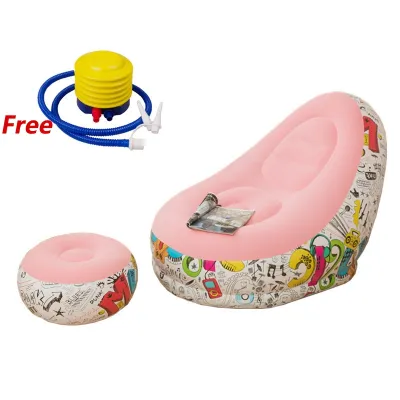
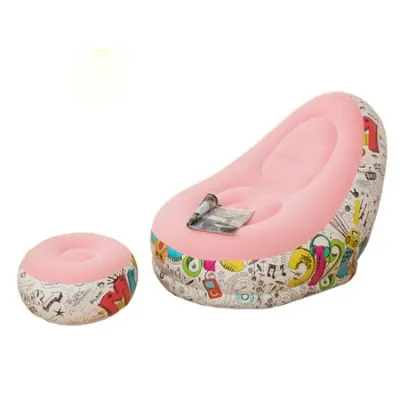
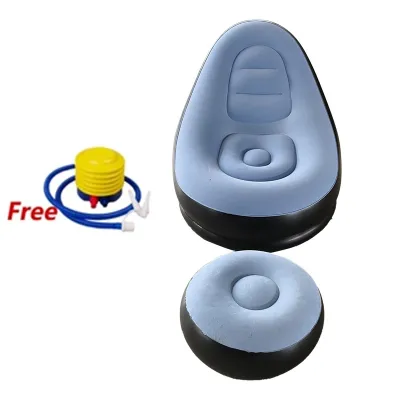
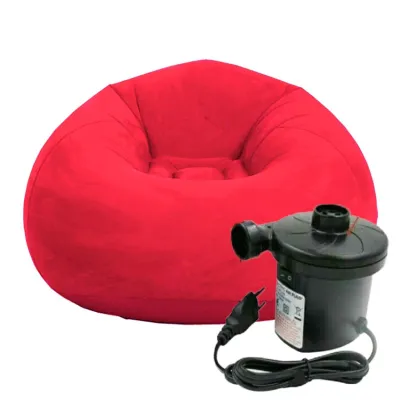
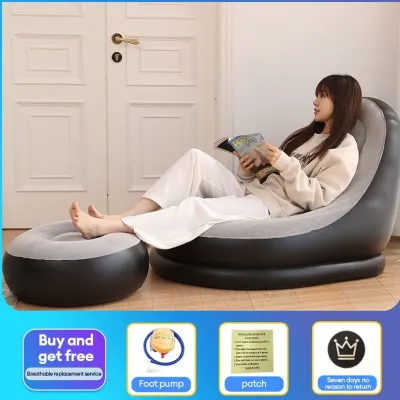
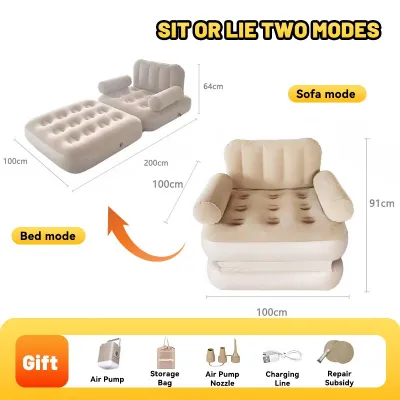
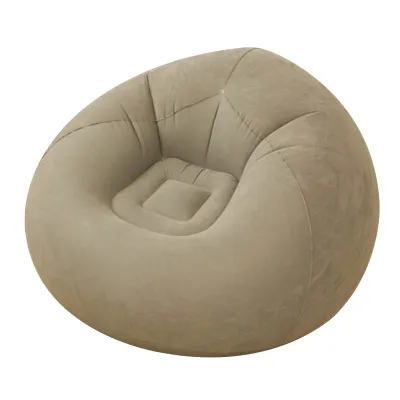
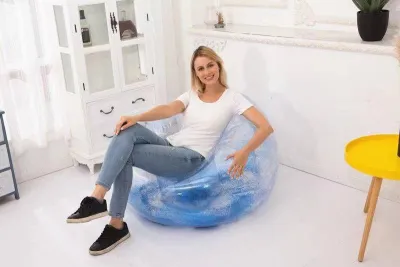
Prices are valid at publication and may change. Please refer to the product page for the latest price.
Proper storage conditions are also vital to prevent material degradation when the chair is not in use. In humid environments, storing a tightly folded vinyl or PVC chair in a dark, unventilated cabinet can trap moisture, leading to sticky surfaces or material breakdown. To preserve the material, ensure the chair is completely dry before folding it loosely. Avoid placing heavy items on top of the folded chair during storage, as sharp creases can weaken the material over time and create weak points that are prone to leaking during subsequent uses.
Comfort, Support, and Daily Usability
While convenience is important, the seating experience must be comfortable enough for family members or guests during typical visits. Unlike traditional upholstered furniture with spring systems and foam layers, an inflatable sofa chair relies entirely on air pressure for its structure. You should carefully evaluate the ergonomic support, weight capacity limits, and seating depth by reading the product labels. Many inflatable chairs feature contoured designs or internal coil-beam construction to distribute weight more evenly, but they generally lack the firm lumbar support found in standard armchairs.

Another factor to consider is how air pressure changes and body heat affect the chair’s firmness over a few hours of continuous use. As a guest sits on the chair, their body heat warms the air inside, causing it to expand slightly, which can initially make the chair feel firmer. Conversely, as the room cools down at night, or if there is a minor, natural microscopic seepage of air through the valves, the chair will gradually soften and sag. This means you may need to perform quick air top-ups if the chair is used continuously over an entire afternoon or evening.
The surface material of the chair also plays a significant role in daily usability, especially in warm climates. Many inflatable chairs feature a flocked top layer that feels velvety to the touch, but this material can still trap heat and cause perspiration during hot afternoons. To enhance skin comfort and prevent a sticky feeling, consider using a breathable cotton fabric cover, a light throw blanket, or a fitted sheet over the chair. This simple addition not only improves comfort but also protects the synthetic material from direct contact with body oils and sweat.
Durability and Maintenance in Tropical Climates
In tropical regions, high temperatures and humidity present unique challenges for synthetic materials. When selecting an inflatable sofa chair, you must check the manufacturer’s specifications regarding material thickness, puncture resistance, seam reinforcement, and heat exposure limits. Heavy-duty PVC or vinyl is standard, but the quality of the seams is often the deciding factor in how long the chair will last. High ambient temperatures can soften adhesives and increase the internal pressure of the air inside the chair, putting extra stress on the seams when someone sits down.
Maintaining the chair requires a consistent cleaning routine to prevent mold, mildew, or sticky surfaces. Humid air combined with dust and spills can quickly ruin the surface of the chair if it is left uncleaned. Wipe down the chair regularly with a damp cloth and mild, non-abrasive soap, avoiding harsh chemical cleaners that could degrade the vinyl. After cleaning, ensure the chair is thoroughly dried in a shaded, well-ventilated area before deflating and storing it. Never leave a damp inflatable chair folded up, as mold can develop rapidly in closed spaces.
Over time, even well-maintained inflatable furniture will show signs of wear. You should regularly inspect the chair for visual indicators of material fatigue, such as stretching around the tufted joints, thinning vinyl, or minor seam separation. If you notice that the chair requires frequent reinflation without any obvious puncture, or if the seams begin to pull apart under normal weight loads, it is a clear sign that the material has reached the end of its useful lifespan and the chair should be replaced to avoid sudden deflation during use.
When to Choose an Inflatable Sofa Chair vs. Alternatives
Deciding whether an inflatable sofa chair is the right choice involves comparing it to other flexible seating options. An inflatable chair is highly suitable for specific, short-term use cases, such as hosting occasional guests during holiday gatherings, setting up a temporary seat for family movie nights, or creating a flexible play area for children that can be cleared away afterward. Its lightweight nature makes it easy to reposition around the room, allowing you to adapt your living space layout on the fly.
However, you must weigh these benefits against alternative temporary seating solutions. Foldable floor cushions or traditional floor mats are incredibly easy to store and require zero setup time, though they offer very little back support. Stackable plastic stools or lightweight folding metal chairs provide stable, firm seating and are highly durable, but they lack the relaxed, lounging comfort of an inflatable armchair. While a traditional wooden armchair might cost several thousand pesos (₱) and occupy permanent space, an inflatable chair offers a budget-friendly alternative that can be packed away.
There are also specific scenarios where inflatable seating is not recommended. It should not be used as a primary, daily-use sofa, as the constant inflation cycles and continuous weight loads will rapidly shorten its lifespan. Furthermore, because inflatable chairs sit low to the ground and can shift or tilt slightly when a person sits down or stands up, they are not suitable for individuals with mobility challenges, older adults, or anyone who requires a highly stable, firm surface to assist with standing.
Setup and Safety Checklist for Guests
To ensure a safe and comfortable experience when deploying an inflatable sofa chair for visitors, you should follow a systematic setup routine. First, verify that the designated floor space is completely clear of sharp objects, such as dropped pins, toys, or debris, as well as heat sources like floor fans, extension cords, or direct sunlight from a window. Placing a thin rug or a clean mat underneath the chair can provide an extra layer of protection against rough tile or wooden floor textures.
Next, always confirm the weight limits and proper inflation levels strictly according to the manufacturer’s label. Over-inflating the chair to make it extra firm can put excessive pressure on the seams, increasing the risk of a sudden rupture, while under-inflating can cause the chair to tip over when a guest sits near the edge. Finally, establish clear household rules to keep pets with sharp claws away from the inflated furniture, as even a minor scratch from a dog or cat can cause an immediate puncture that is difficult to repair.
Frequently Asked Questions (FAQ)
How long does an inflatable sofa chair typically hold air?
An inflatable sofa chair’s air retention depends on environmental temperature changes, the weight load applied, and the natural stretching of the material. New vinyl or PVC chairs tend to stretch slightly during their first few uses, which can make them feel deflated even if there is no leak. You should check the manufacturer’s guidelines for expected air retention, and plan to perform a quick, safe top-up every few days of active use to maintain your desired firmness.
Can an inflatable sofa chair be used outdoors on a balcony?
Using an inflatable chair on a balcony or patio is possible, but it carries significant risks. Rough concrete surfaces, splinters from wooden decking, and direct sunlight can quickly damage the material or cause the air inside to expand dangerously due to heat. Before placing the chair outside, check the product label for specific outdoor or UV-resistance ratings, and always place a protective ground cover underneath it.
What is the best way to patch a small leak?
To patch a small leak, first locate the puncture by applying soapy water to the surface and watching for bubbles. Once found, clean and dry the area thoroughly, then apply a patch using only the manufacturer-provided or recommended repair kit. Allow the adhesive to cure completely according to the instructions before reinflating, and stop using the chair immediately if the damage is located near critical areas like seams or the inflation valve.
Community discussion
Share your experience or ask a question. Comments are reviewed before publication.