
Choosing the right wardrobe involves balancing aesthetics with daily practicality, especially when considering natural materials. Rattan has experienced a massive resurgence in modern interior design, offering a warm, organic texture that instantly elevates a bedroom. If you are considering a cabinet rattan wardrobe, the short answer is yes—rattan is an excellent material choice, but with important caveats. It is highly breathable and visually lightweight, making it ideal for tropical climates, but it is rarely used as a standalone structural material. Understanding how rattan is integrated with other wood or metal components is key to determining if it fits your storage habits and home environment.
To make an informed investment, you must look beyond the surface appeal. Rattan wardrobes require specific care, have distinct weight limitations, and behave differently depending on whether they are made of natural fibers or synthetic alternatives. Evaluating these factors beforehand ensures your furniture remains beautiful and functional for years to come.
Understanding the Role of Cabinet Rattan in Wardrobe Design
When shopping for a cabinet rattan wardrobe, it is a common misconception that the entire piece of furniture is woven from rattan. In reality, rattan is almost exclusively used as an insert or decorative paneling rather than a load-bearing structure. Because rattan vines are flexible and lightweight, they lack the rigid compressive strength required to support heavy clothing, shelving, and hanging rods on their own.
Products mentioned in this guide
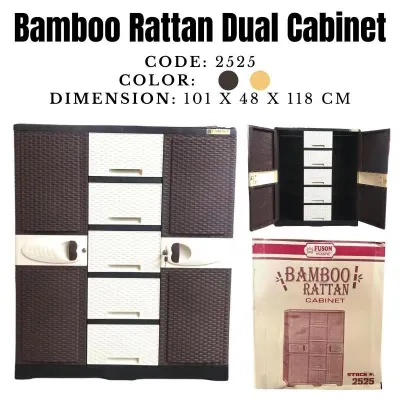

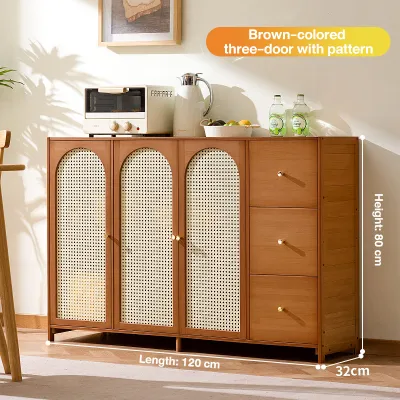
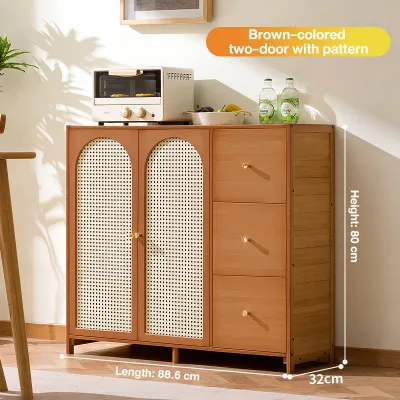
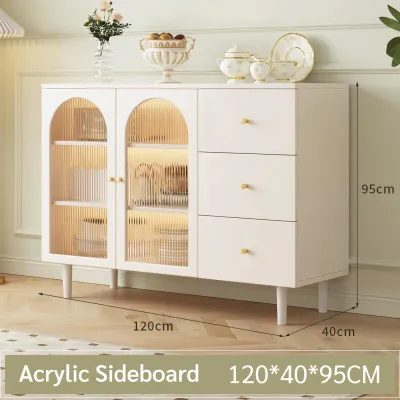
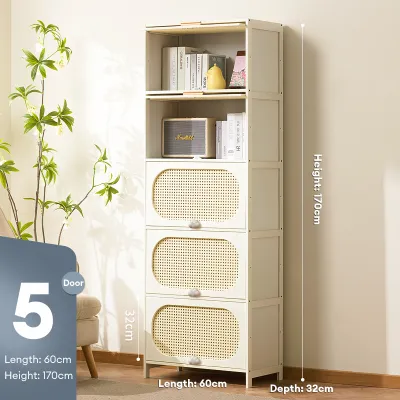
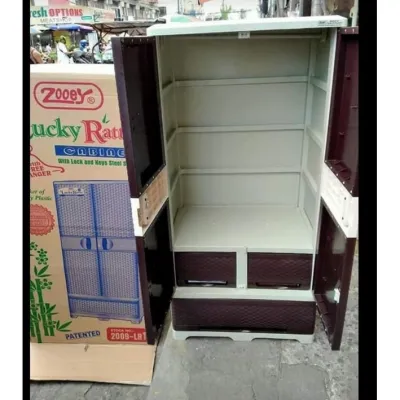
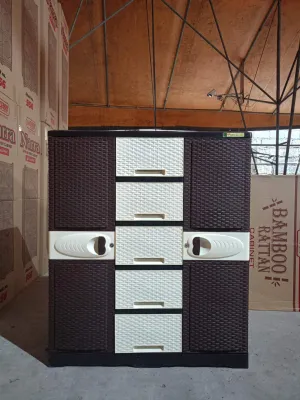
Prices are valid at publication and may change. Please refer to the product page for the latest price.
Instead, a high-quality rattan wardrobe features a sturdy structural frame made from solid hardwood, engineered wood (such as medium-density fiberboard or MDF), or metal. The rattan itself is woven into sheets and secured within the door frames or drawer fronts. This combination ensures that the wardrobe has the necessary stability to stand upright and handle daily use, while still showcasing the signature woven texture on its facade.
Furthermore, the manufacturing method of the rattan panels affects both the price and the overall look. Traditional hand-woven rattan is crafted by artisans who weave individual strands directly into the frame, resulting in charming, organic irregularities. Conversely, many modern cabinets utilize pre-manufactured rattan webbing sheets that are machine-woven for uniformity, then stretched and stapled onto the door panels. Knowing which construction method is used helps you set realistic expectations for the wardrobe’s craftsmanship and price point.
The Pros of Rattan Wardrobes and Cabinets
Integrating rattan into your bedroom furniture offers several distinct practical and aesthetic advantages, particularly in warm, humid regions.

Exceptional Breathability
One of the greatest functional benefits of woven rattan is its natural porosity. Unlike solid wood or laminate doors that seal clothes in an airtight box, the open weave of rattan caning allows continuous air circulation. In tropical climates like the Philippines, where indoor humidity can fluctuate dramatically, this ventilation is invaluable. It helps prevent air from stagnating inside the closet, significantly reducing the risk of your clothes, bags, and linens developing musty odors, mildew, or dampness.
Visual Lightness and Spatial Openness
Large, solid-wood wardrobes can easily dominate a bedroom, making the space feel cramped and heavy. Rattan panels break up these massive flat surfaces by introducing texture and semi-transparency. The delicate patterns of the weave allow light to pass through, creating a sense of visual lightness. This quality is especially beneficial for smaller bedrooms or condominium units where maximizing the perception of open space is a design priority.
Aesthetic Versatility
Despite its strong association with tropical and bohemian design, rattan is incredibly versatile. It pairs seamlessly with a wide range of interior styles. When set in a sleek black or metal frame, rattan adds a warm, organic contrast to modern minimalist or industrial spaces. When paired with light oak or white-washed wood, it perfectly complements Scandinavian, coastal, or rustic aesthetics.
The Cons and Practical Limitations
While the aesthetic appeal of rattan is undeniable, it is vital to understand its physical vulnerabilities before committing to a purchase.
Strict Weight and Pressure Limits
Because woven rattan panels are flexible, they cannot withstand direct pressure or heavy loads. If you tend to overstuff your wardrobe, allowing piles of clothes or heavy winter jackets to press directly against the inside of the doors, the rattan webbing will eventually stretch, sag, or pull away from its frame. Unlike solid wood, once rattan webbing loses its tension or tears, repairing it requires professional re-caning, which can be costly and difficult to source.
Sensitivity to Environmental Moisture
Natural rattan is highly hygroscopic, meaning it readily absorbs and releases moisture from the surrounding air. In consistently damp or poorly ventilated rooms, untreated natural rattan can warp, expand, or become a breeding ground for mold and mildew. Conversely, if the environment is excessively dry or exposed to constant artificial heat, the fibers can become brittle and crack over time. Maintaining a stable indoor climate is essential to preserving the material’s integrity.
Maintenance and Snagging Risks
The intricate, textured surface of woven rattan naturally creates hundreds of tiny crevices where dust, pet dander, and lint can accumulate. Cleaning these areas requires more effort than simply wiping down a flat, laminated surface. Additionally, if the interior of the rattan panel is poorly finished or lacks a smooth backing, the rough fiber ends can snag delicate fabrics such as silk, lace, knitwear, or fine cotton when you pull items out of the closet.
Natural vs. Synthetic Rattan: Making the Right Choice
To choose the right wardrobe, you must decide between natural rattan and synthetic alternatives. Natural rattan is harvested from climbing palms native to tropical regions, offering unmatched organic warmth and unique color variations. Synthetic rattan, usually made from high-density polyethylene (HDPE) or PVC, mimics the look of natural weave but is engineered for maximum durability.
Evaluating your bedroom’s microclimate and your willingness to perform regular maintenance will point you toward the correct material. Below is a comparison to help guide your decision:
| Feature | Natural Rattan | Synthetic Rattan (PE/PVC) |
|---|---|---|
| Moisture Resistance | Low; prone to mold or warping if exposed to high humidity | High; completely waterproof and immune to rot or mold |
| Aesthetics & Texture | Authentic, warm, with natural color gradients | Uniform color; can look and feel slightly plastic up close |
| Maintenance Needs | Moderate to high; requires careful dusting and humidity control | Low; can be wiped down easily with a damp cloth |
| Ideal Environment | Well-ventilated, climate-controlled, or air-conditioned bedrooms | High-humidity zones, bathrooms, or semi-outdoor dressing areas |
If your bedroom is air-conditioned, well-ventilated, and free from dampness, natural rattan is highly recommended for its authentic beauty and tactile appeal. However, if you are furnishing a room without climate control, or a space prone to seasonal dampness, synthetic rattan offers a worry-free alternative that retains the breezy aesthetic without the risk of moisture damage.
Maintenance and Care for Tropical Climates
Owning a natural rattan wardrobe in a tropical climate requires proactive care to prevent environmental wear. By establishing a simple maintenance routine, you can keep the fibers strong, clean, and beautiful for decades.
First, address dust accumulation before it settles deep into the weave. Use a soft-bristle brush, a clean feather duster, or a vacuum cleaner equipped with a upholstery brush attachment to gently sweep the panels once a week. Avoid using stiff wire brushes or harsh scrubbing pads, which can scratch the protective topcoat and fray the natural fibers.
Second, actively manage indoor humidity, especially during the rainy season. Keep your wardrobe in a room with consistent airflow. If the room tends to get damp, place disposable moisture-absorbing tubs or reusable silica gel packets inside the wardrobe corners to protect your clothes and the rattan panels. Running a dehumidifier periodically during peak humid months can also safeguard your entire furniture collection.
Third, position your wardrobe away from direct sunlight. Prolonged exposure to harsh UV rays will dry out the natural oils within rattan, making the fibers brittle, prone to cracking, and faded. Use curtains or blinds to filter the sunlight entering your bedroom.
Finally, establish clear cleaning boundaries. Never saturate natural rattan with water, as excess moisture will weaken the joints and encourage mold growth. If a spill occurs, wipe it immediately with a damp, tightly wrung microfiber cloth. Always consult the manufacturer’s care instructions before applying any furniture waxes, oils, or specialized cleaning solutions, as some products can degrade the lacquer finish.
What to Inspect Before Buying
Before finalizing your purchase, conduct a thorough physical inspection of the wardrobe to ensure it meets high standards of craftsmanship and structural safety.
- Frame and Joint Stability: Examine the primary frame. Ensure it is constructed from high-quality solid wood or robust engineered wood. Shake the unit gently to check for wobbling. Look closely at the joints; they should be reinforced with dowels, screws, or corner blocks, not just glue and staples.
- Webbing Tension: Press gently on the center of the rattan panels. The weave should feel taut, resilient, and spring back into place. If the webbing feels loose, saggy, or has visible gaps near the frame borders, it will likely deteriorate quickly under daily use.
- Interior Smoothness: Run your hand carefully along the inside of the door panels. High-quality wardrobes will either have a smooth protective backing (such as a thin fabric liner or a wood veneer panel) or the rattan back will be sanded smooth and sealed to prevent snagging your garments.
- Logistics and Delivery Access: Measure the fully assembled dimensions of the wardrobe, paying close attention to its height and depth. Compare these measurements against your bedroom ceiling height, doorway clearances, stairwells, and elevator capacities. Because many high-quality wardrobes are delivered fully assembled to preserve structural integrity, ensuring a clear path into your home is essential to avoid delivery damage.
- Wall Anchoring: For safety, tall wardrobes must be anchored to the wall to prevent tip-over accidents. Check if the manufacturer includes anchoring hardware and instructions suitable for your wall type.
Frequently Asked Questions (FAQ)
Can I use a natural rattan wardrobe in a highly humid bedroom?
Yes, you can use a natural rattan wardrobe in a humid bedroom, but it requires active environmental management. You must ensure the room is well-ventilated, use air conditioning or a dehumidifier to keep moisture levels stable, and place moisture-absorbing packets inside the cabinet. Additionally, verify with the manufacturer if the rattan has been treated with a moisture-resistant polyurethane sealant to help protect the fibers from dampness.
Does rattan furniture attract termites or pests?
Properly processed, kiln-dried, and chemically treated natural rattan is highly resistant to wood-boring pests, including termites. Before purchasing, check the manufacturer’s specifications to confirm that the material has undergone professional pest-prevention treatments. Keeping your bedroom dry and well-ventilated is also crucial, as damp, untreated organic fibers are far more attractive to pests than dry, well-maintained wood.
Community discussion
Share your experience or ask a question. Comments are reviewed before publication.