
Deciding whether the CLAS Stackie 5-Layer is the right fit for your upcoming lipat bahay requires balancing convenience with structural reality. While a five-tier shelving unit offers excellent vertical organization, its success during a household move depends on what you plan to store, how you intend to transport it, and the layout of your new home. Rather than assuming a single storage solution fits every scenario, you must evaluate your specific inventory and moving logistics to avoid damaged items or transport headaches.
A successful relocation involves assessing whether this open-tier unit can handle your belongings without compromising safety. By analyzing your packing strategy, transit constraints, and destination setup, you can determine if this specific model will streamline your move or if alternative containers are better suited for the journey.
Assessing Your Moving Volume and Item Types
Before packing a single shelf, you must categorize your household items by weight, density, and fragility. Open five-tier shelving units are highly efficient for organizing visible, frequently accessed items, but they require careful load distribution. Placing heavy kitchen appliances or stacks of books on the upper tiers can make the entire structure top-heavy, increasing the risk of tipping during or after your move.
Products mentioned in this guide
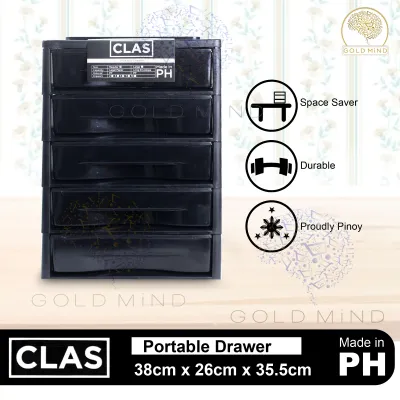
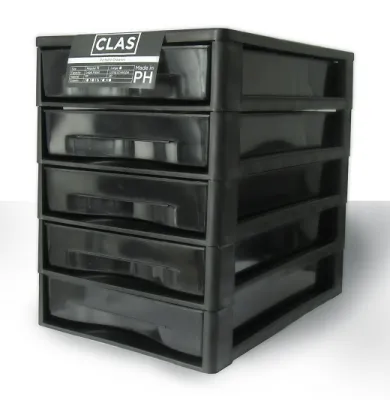
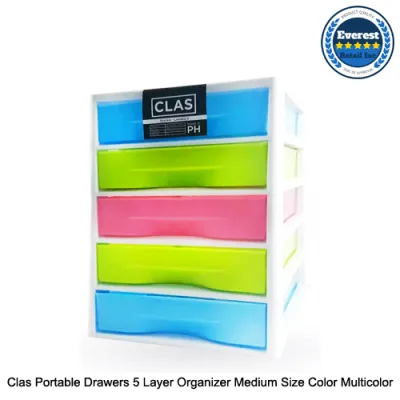
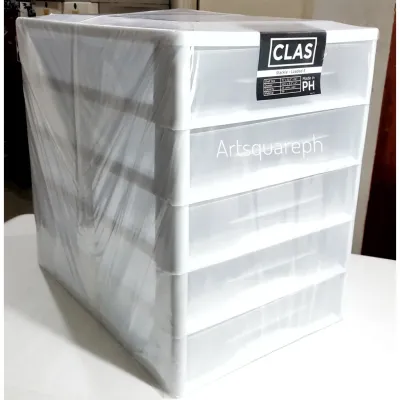
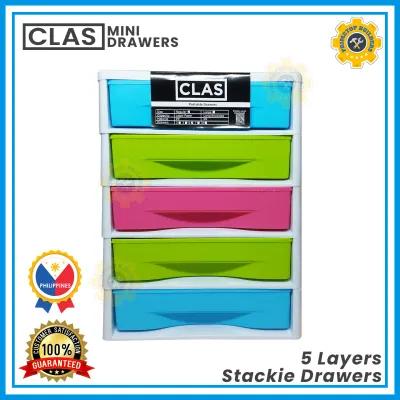

Prices are valid at publication and may change. Please refer to the product page for the latest price.
To ensure structural safety, locate and verify the manufacturer’s specified maximum load per shelf and the total unit capacity. This information is typically found on the product packaging, the user manual, or the manufacturer’s official product listing. Exceeding these limits can warp the shelves or compromise the joints, especially when the unit is subjected to the vibrations of a moving truck.
Next, measure your bulkiest items against the actual depth and width of the shelves. Any item that overhangs the edge of a shelf creates an uneven center of gravity and can easily slide off during handling. If your inventory consists of odd-shaped or oversized items, an open-tier rack might not provide the stable base required to keep them secure.
Finally, consider whether your belongings require enclosed protection or if open shelving is acceptable. Items sensitive to dust, moisture, or pests—such as clothing, linens, or delicate electronics—may not fare well on open shelves during a dusty lipat bahay transition. For these items, enclosed storage boxes or protective covers are necessary additions to your moving plan.
Evaluating Transit and Handling Requirements
The physical demands of a lipat bahay move require a storage unit that can be handled safely without sustaining structural damage. Review the assembly instructions for your unit to determine if the frame can be safely collapsed, folded, or completely disassembled for transport. Attempting to move a fully assembled utility rack in a moving vehicle can put immense stress on the joints and connection points, potentially bending the frame.

If disassembly is required, measure the folded or broken-down dimensions of the components. Compare these measurements against the cargo space of your moving vehicle, whether you are hiring a small utility van or a larger truck. Additionally, check these dimensions against the narrowest points of your moving route, including tight stairwells, low door frames, and building elevator doors.
Identify any structural vulnerabilities before loading the unit onto a vehicle. Removable shelves, plastic clips, and detachable casters are highly susceptible to getting lost or damaged during transit. Plan to remove these smaller components, pack them in a labeled bag, and transport them separately to ensure you have all the necessary parts for reassembly at your destination.
You must also assess the overall weight of the empty unit to ensure it can be safely lifted and maneuvered. If the frame is heavy or awkward to hold, ensure you have at least two people assigned to carry it. Proper lifting techniques and protective gloves can prevent injuries and keep the unit from being dropped and damaged on hard concrete surfaces.
Planning the Destination Setup and Space Fit
A successful move does not end when the truck arrives; you must ensure the unit fits safely and functions well in its new environment. Begin by measuring the designated floor space in your new room. Be sure to account for baseboard thickness, wall outlets, window sills, and the swing paths of nearby doors to prevent the shelving unit from blocking essential access points.
Inspect the levelness of the floor at your destination. Uneven floors are common in many residential structures and can cause tall, five-layer racks to wobble or lean dangerously. If the floor is uneven, plan to use adjustable leveling feet, anti-slip pads, or secure wall-anchoring hardware as recommended by the manufacturer’s safety instructions to stabilize the unit.
Environmental factors in your new home can also affect the longevity of your storage furniture. If you are moving to a high-humidity area or placing the unit near a window with direct sunlight, check the material care guide to ensure the finish can withstand these conditions. Excessive moisture can lead to rust or mold, while prolonged UV exposure can degrade plastic components or fade protective coatings.
Lastly, map out the vertical clearance of the room. A five-layer unit stands relatively tall, so you must verify that its height does not obstruct ceiling fans, air conditioning units, wall-mounted light fixtures, or electrical switches. Ensuring a clear clearance path keeps your home safe and prevents accidental damage to both your appliances and your storage rack.
Comparing Alternatives for Specific Moving Scenarios
While a five-tier rack is excellent for permanent organization, other storage solutions might serve you better during the actual transit phase of a move. For instance, stackable plastic bins with secure, locking lids offer superior protection against dust, rain, and physical impacts during transport. Unlike open shelves, bins can be stacked directly on top of one another in a moving truck without the risk of items falling out.
If your new home layout is still undecided, mobile storage carts with lockable casters might offer more flexibility than a stationary five-layer rack. Mobile carts allow you to easily roll your stored items from room to room as you unpack and organize, making them highly useful during the chaotic first few weeks after a lipat bahay move.
When managing your moving budget, evaluate the cost-to-utility ratio of your options. Purchasing temporary cardboard moving boxes is a low-cost way to transport goods, but they must be discarded or recycled after use. Investing your budget in Philippine pesos (₱) toward a durable, permanent piece of furniture like a five-layer rack provides long-term value, provided the unit survives the physical journey intact.
Finally, if your storage needs are likely to change over time, consider modular or adjustable shelving alternatives. These systems allow you to reconfigure the height of individual shelves or expand the unit horizontally, offering greater adaptability than a fixed five-layer structure as your household inventory grows or shrinks.
Frequently Asked Questions (FAQ)
Can I move the CLAS Stackie 5-Layer while it is fully loaded?
Moving a five-tier storage unit while it is fully loaded carries significant risks and is generally not recommended. The lateral forces exerted during lifting or transport can put extreme stress on the frame and joints, potentially causing the unit to collapse or bend. Furthermore, a loaded unit has a much higher center of gravity, making it highly susceptible to tipping over and causing injury or damaging your belongings.
For a safe move, always empty the shelves completely before attempting to transport the unit. Secure any loose components, such as removable shelves or casters, and pack them separately. Always consult the manufacturer’s specific warnings and user manual regarding loaded transport, as moving a loaded unit may void your warranty or damage the structural integrity permanently.
How do I clean and maintain the shelves after the move?
Once you have successfully relocated, cleaning the unit is essential to remove accumulated dust, transit grime, or adhesive residue from packing tape. Wipe down the surfaces using a soft, damp microfiber cloth. Avoid using harsh chemical cleaners, abrasive scrubbing pads, or solvent-based solutions unless specifically approved by the manufacturer, as these can strip the protective finish or scratch the material.
After cleaning, perform a thorough maintenance check on the structure. Inspect all screws, joints, and connection points to ensure nothing has loosened during the vibrations of the move, and tighten them as necessary. Following the manufacturer’s material care instructions ensures your shelving unit remains stable, clean, and ready to organize your new home for years to come.
Community discussion
Share your experience or ask a question. Comments are reviewed before publication.