
Sleeping comfortably in the Philippines requires a mattress that can actively cope with year-round high temperatures and intense relative humidity. Whether the Dream Hug mattress is suitable for this tropical climate depends entirely on verifying its specific model construction, cover materials, and internal support layers. Because tropical conditions accelerate heat retention and moisture buildup, a mattress must facilitate continuous ventilation to prevent sleep disruptions and premature material degradation.
The combination of daytime heat and high nighttime humidity, especially during the wet season, creates a challenging sleep environment. When a mattress traps body heat, your core temperature remains elevated, leading to restless tossing and turning. Furthermore, high humidity levels can introduce excess moisture into the mattress layers, creating a breeding ground for mold and mildew if the design lacks adequate airflow.
To determine if a Dream Hug model fits your bedroom, you must look beyond marketing claims and perform a systematic check of its physical specifications. This guide establishes a clear framework for inspecting the mattress’s cover fabrics, comfort layers, and core support structures, helping you make a practical decision based on your local sleeping conditions, ventilation setup, and personal comfort preferences.
Products mentioned in this guide
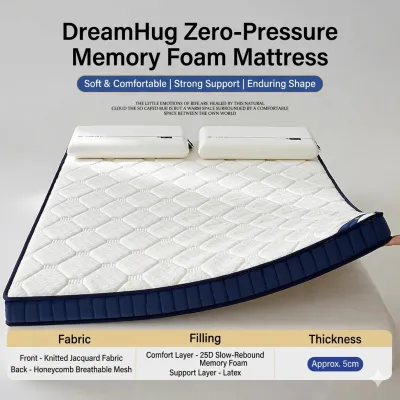
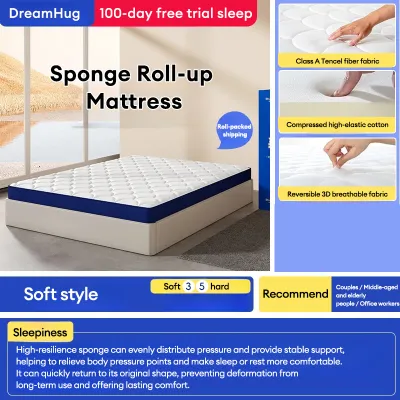
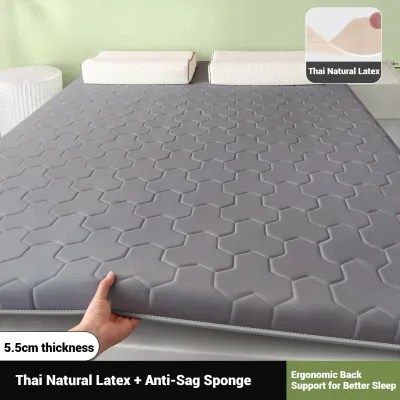
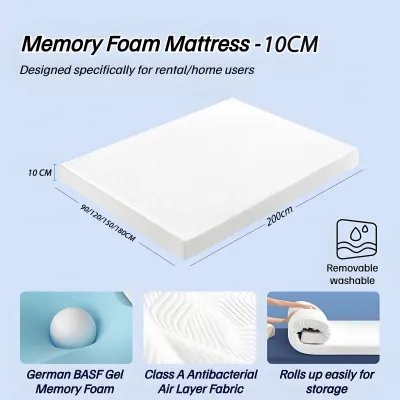
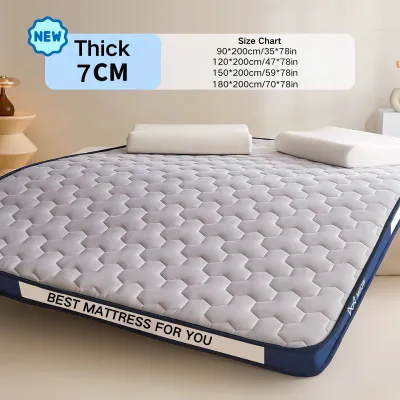
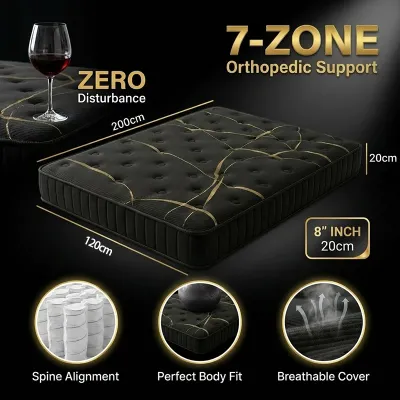
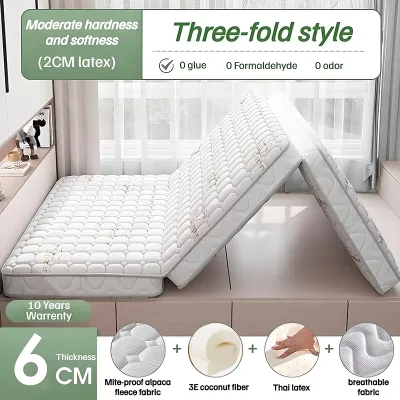
Prices are valid at publication and may change. Please refer to the product page for the latest price.
Key Mattress Requirements for a Hot and Humid Environment
In a tropical climate, a mattress does not just support your body weight; it acts as a thermal regulator. High ambient humidity means sweat does not evaporate as easily from your skin, making moisture management a critical function of your bedding. A mattress that lacks breathability will trap this moisture within its fibers, leading to a damp sleeping surface and unpleasant odors over time.
The primary defense against heat retention is unrestricted airflow. Air must be able to circulate freely through the mattress core to carry away the warm air generated by your body. Without this continuous exchange, the mattress acts as a heat sink, gradually warming up throughout the night and radiating heat back to you.
High humidity levels in the Philippines mean that mold prevention must be a top priority. Materials that absorb and hold onto moisture without drying quickly are highly susceptible to fungal growth. Therefore, a suitable tropical mattress must feature quick-drying fabrics and mold-resistant structural components, or at least be paired with protective accessories that mitigate moisture accumulation.
High humidity and heat can also accelerate the breakdown of certain mattress materials, particularly low-density foams. Over time, moisture can cause these foams to soften prematurely, leading to sagging and a loss of support. Evaluating a mattress’s durability under tropical conditions requires looking at the density of its foam layers and the resilience of its support core.
Evaluating the Dream Hug Mattress Construction
To assess how a Dream Hug mattress will perform in your home, you must start by locating and reading the manufacturer’s official material breakdown and care labels. These documents, often found on the product packaging, law tags, or the official brand website, provide the exact composition of each layer. Relying on general brand descriptions is insufficient; you need to verify the specific materials used in the comfort and support sections of the exact model you are considering.

When reviewing the specifications, categorize the materials into those that aid ventilation and those that potentially restrict it. For example, open-cell structures, pocketed coils, and natural fibers generally promote airflow, while dense, solid synthetic foams tend to retain heat unless they are specifically modified with ventilation channels or cooling infusions. Understanding this distinction allows you to predict how the mattress will behave when subjected to high ambient temperatures.
Inspecting the Cover and Surface Fabrics
The outer cover is the first point of contact and plays a vital role in initial heat dissipation. Look closely at the product specifications to see if the cover incorporates natural fibers like bamboo-derived rayon, cotton, or specialized breathable synthetics. These materials are known for their ability to wick moisture away from the body, helping to keep your skin dry and comfortable.
Do not assume that a material name alone guarantees a cool sleeping surface. A thick, tightly woven fabric can still trap heat even if it is made of natural fibers. Check for descriptions of the fabric’s weave, such as a knit pattern designed for breathability, or the inclusion of mesh side panels that allow air to escape from the sides of the mattress. If the manufacturer does not provide details on the fabric’s breathability, look for observable indicators like a lightweight, stretchy feel that suggests a more open knit.
Assessing Core Support and Comfort Layers
The internal structure of the mattress has the greatest impact on long-term heat retention. Traditional innerspring or pocketed coil systems inherently offer enhanced ventilation because the open spaces between the coils allow air to flow freely. In contrast, solid foam blocks, particularly standard memory foam, consist of dense cell structures that trap air and body heat, making them more challenging to use in hot climates without active air conditioning.
If the Dream Hug model you are evaluating contains foam layers, check the specifications for features designed to mitigate heat retention. Look for terms like “open-cell foam,” which indicates a more porous structure that allows air to pass through, or “gel-infused foam,” which is designed to absorb and distribute heat. Additionally, look for physical ventilation channels or perforated foam layers that actively facilitate airflow. Treat these claims as features to verify through physical inspection or detailed product specifications rather than assuming they guarantee a cool sleep.
Verifying Breathability and Heat Dissipation Features
Mattress manufacturers often use proprietary marketing terms to describe their cooling technologies. To avoid making misleading assumptions, cross-reference these terms with actual structural descriptions. For instance, if a model claims to feature a “cool-to-the-touch” cover, verify whether this is achieved through a temporary chemical finish that may wash out over time, or through the physical integration of phase-change materials or high-conductivity fibers that provide lasting thermal regulation.
Another critical design element to check is the presence of an edge-to-edge airflow system. Some mattresses feature perforated border fabrics or specialized foam encasements with ventilation holes that allow air to escape horizontally when you move. This dynamic airflow is particularly beneficial in humid environments, as it helps pump warm, moist air out of the mattress core with every movement you make during the night.
Your personal sleep environment and temperature preferences must also guide your evaluation. If you sleep in an air-conditioned room maintained at a cool temperature, a mattress with moderate heat dissipation features may be perfectly adequate. However, if you rely on natural ventilation or ceiling fans, you will require a highly breathable mattress with maximum airflow to prevent overheating during warm tropical nights.
Mold Prevention and Routine Maintenance
Protecting your mattress from the degrading effects of high humidity requires consistent, proper maintenance. Always follow the manufacturer’s official cleaning and care instructions to avoid damaging the materials. Avoid using excessive water or liquid cleaners on the mattress, as deep moisture is incredibly difficult to dry out in a humid climate and can quickly lead to internal mold growth.
A high-quality mattress protector is an essential investment in the Philippines. Choose a protector that is explicitly labeled as both waterproof and breathable. The waterproof barrier prevents sweat and ambient moisture from penetrating the mattress core, while the breathable design ensures that heat is not trapped against your body. Avoid cheap, non-breathable plastic protectors, which create a hot, crinkly sleeping surface and trap moisture underneath.
The foundation supporting your mattress plays a significant role in its overall breathability. Avoid placing your mattress directly on the floor, as this completely blocks airflow from the bottom, leading to moisture condensation and mold growth underneath. Instead, use a slatted bed frame that allows air to circulate freely beneath the mattress. Ensure the slats are spaced according to the manufacturer’s recommendations to maintain structural support and prevent sagging.
If you notice any signs of moisture damage, dampness, or unusual musty odors, stop using the mattress immediately and consult the manufacturer or a professional cleaning service. Do not attempt to treat deep mold issues with home remedies that involve soaking the mattress, as this can worsen the problem. Regular inspection of the mattress’s underside and corners will help you catch any humidity-related issues before they cause permanent damage.
Decision Checklist: Is It the Right Fit for Your Bedroom?
To finalize your decision on whether the Dream Hug mattress is suitable for your home, use this practical framework to match the verified mattress specifications with your specific bedroom conditions:
- Room Ventilation: Assess whether your bedroom relies on air conditioning, ceiling fans, or natural cross-ventilation. A room with limited airflow requires a mattress with highly breathable, open-cell or hybrid coil construction.
- Ambient Humidity: If you live in a high-humidity area, such as a coastal region or near dense vegetation, prioritize mold-resistant materials and ensure your bed frame allows maximum bottom ventilation.
- Physical Dimensions and Access: Before finalizing any mattress purchase, verify its finished dimensions against your available bedroom space. Ensure you have adequate clearance through doorways, stairwells, or lifts for delivery and installation, and check that your bed frame's load capacity is rated to support both the mattress weight and the sleepers.
- Warranty Terms: Review the manufacturer's warranty carefully to understand what is covered. Pay close attention to clauses regarding moisture damage, mold, and sagging, as some warranties may exclude damage caused by improper ventilation or high humidity.
- Alternative Options: If your evaluation reveals that the specific Dream Hug model lacks sufficient cooling or breathable features for your environment, consider alternative mattress types, such as latex hybrids, or invest in active cooling accessories like breathable mattress toppers and moisture-wicking sheets.
Frequently Asked Questions (FAQ)
Can I use a standard mattress protector in a humid climate?
Using a standard, non-breathable plastic mattress protector in a humid climate is not recommended. These protectors act as a vapor barrier, trapping your body heat and sweat on the surface of the mattress, which leads to a hot and uncomfortable sleeping experience. Instead, look for protectors specifically designed for tropical climates that feature breathable, moisture-wicking fabrics paired with a polyurethane waterproof membrane, which blocks liquids while allowing air and heat to escape.
How often should I air out my mattress to prevent mold?
In a humid tropical climate, it is beneficial to air out your mattress regularly to prevent moisture buildup. Aim to strip the bedding completely and let the mattress air out for a few hours at least once every few weeks, preferably during low-humidity hours of the day with windows open or a fan running. Always consult the manufacturer’s care label first, as some materials can be damaged by direct sunlight or high heat, and ensure you follow their specific guidelines for routine aeration.
Community discussion
Share your experience or ask a question. Comments are reviewed before publication.