
Deciding whether the Meevera sofa bed is a worthy addition to your Japandi living room requires balancing minimalist design principles with strict budget realities. In a design style that celebrates the intersection of Japanese minimalism and Scandinavian warmth, every piece of furniture must earn its place through both form and function. A dual-purpose sofa bed is highly practical for compact urban homes, but its value is not determined by the price tag alone. To make a smart investment, you must evaluate how its visual profile, material quality, and hidden ownership costs align with your overall living room budget.
This guide provides a practical framework to assess the Meevera sofa bed against the core tenets of Japandi design. By examining its aesthetic compatibility, physical dimensions, and total landed cost, you can determine if this specific piece fits your home. Whether you are furnishing a cozy condominium in a bustling metropolitan area or updating a suburban living space, these structured checks will help you make a confident, budget-conscious decision.
Defining Your Japandi Living Room Budget
Creating a cohesive Japandi living room on a budget requires a strategic allocation of your funds. The Japandi aesthetic relies heavily on a sense of airiness, natural textures, and intentional simplicity. Rather than crowding the room with inexpensive decorative items, your budget should prioritize high-quality, functional anchor pieces. The sofa is typically the largest and most utilized item in the living room, making it a primary candidate for a larger share of your furniture budget. However, overspending on the sofa can leave you with insufficient funds for other essential elements like lighting, window treatments, and natural wood accents.
Products mentioned in this guide

Prices are valid at publication and may change. Please refer to the product page for the latest price.
When planning your budget, distinguish clearly between non-negotiable functional requirements and flexible aesthetic preferences. For a sofa bed, non-negotiable factors include structural stability, daily seating comfort, and a durable mechanism that can withstand regular conversion. Aesthetic details, such as the exact shade of upholstery or the specific type of wood grain on the legs, are areas where you can afford to make minor compromises. Setting a strict maximum spending limit for the sofa bed ensures that you preserve enough capital to invest in secondary Japandi elements, such as textured linen curtains, a low-profile coffee table, or warm, diffused lighting.
In tropical climates where humidity levels fluctuate, material durability becomes a critical factor in your budget calculations. High humidity can affect both wooden frames and fabric upholstery over time. Allocating a portion of your budget to protective measures, such as fabric sealants or dehumidifying accessories, can extend the lifespan of your furniture. By establishing a clear financial boundary before you begin shopping, you prevent emotional purchasing decisions and ensure that your entire living room feels balanced, uncluttered, and harmoniously styled.
Evaluating the Meevera Sofa Bed for Japandi Aesthetics
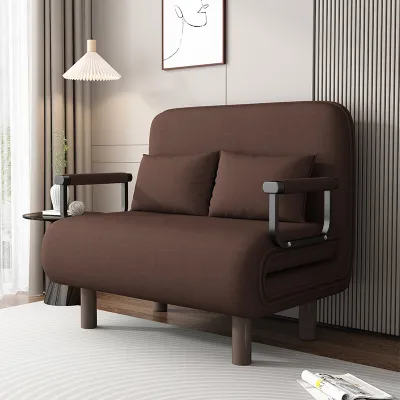
To determine if the Meevera sofa bed fits a Japandi-styled space, you must carefully analyze its design characteristics against the core visual markers of the style. Japandi design merges the rustic warmth of Scandinavian hygge with the refined simplicity of Japanese wabi-sabi. This means furniture should feature clean, unornamented lines, a low-profile silhouette, and a strong connection to natural materials. Before purchasing, examine the product images and technical drawings of the Meevera sofa bed to verify that its overall shape is minimalist and free from bulky, overly traditional, or ornate details.

Upholstery fabric plays a massive role in establishing the tactile warmth required for a Japandi interior. Look for textures that mimic natural fibers, such as linen weaves, cotton blends, or lightly textured canvas. The color palette should remain firmly within the neutral spectrum, focusing on warm grays, soft beiges, cream, or muted earth tones like terracotta and olive. Avoid high-gloss synthetic fabrics or overly vibrant colors that can disrupt the serene, calming atmosphere of the room. If the product listing does not specify the fabric texture, look for close-up customer photos or request a material sample if available.
The visible frame and legs of the sofa bed are equally important for aesthetic alignment. Japandi style favors light to medium wood tones with natural, matte finishes that showcase the grain. Inspect the product specifications to see if the legs or base of the Meevera sofa bed feature a natural wood look. Avoid glossy varnishes, dark espresso stains, or metallic accents like chrome or brass, as these elements lean more toward modern industrial or glam styles rather than organic minimalism. Ensuring these visual details align with Japandi principles prevents the sofa bed from looking out of place once installed.
Checking Practical Specifications and Space Requirements
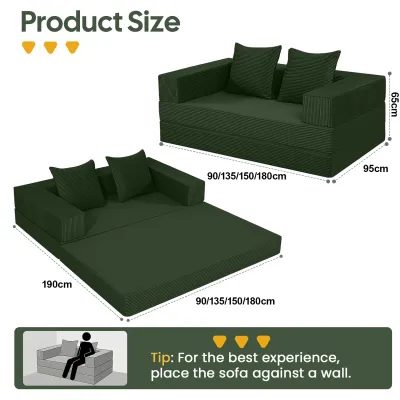
A beautiful sofa bed is only valuable if it fits your living space and functions safely under daily conditions. Before finalizing any purchase, you must conduct precise physical measurements of your room. Measure the designated wall space where the sofa will sit, ensuring there is sufficient clearance on either side for side tables or walking paths. Crucially, you must measure the depth of the room to accommodate the bed mechanism when it is fully extended. A sofa bed that blocks doorways or presses tightly against other furniture when open will quickly become a source of daily frustration.
Beyond the room itself, you must verify the delivery path from the street to your living room door. In many residential developments, tight stairwells, low elevator ceilings, and narrow doorways present significant obstacles for bulky furniture. Compare the packaged dimensions of the Meevera sofa bed against the clearance heights and widths of your building’s entry points. If the package cannot clear these spaces, you may face costly delivery failures or be forced to unbox the item in a public hallway, risking damage to the frame or fabric.
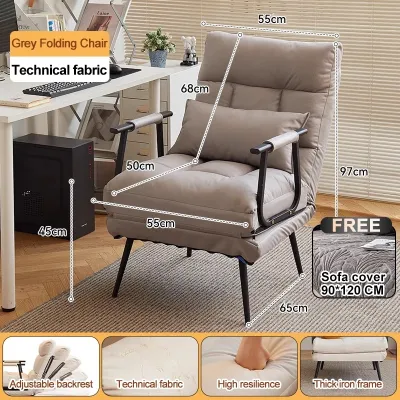
Structural integrity is paramount for dual-purpose furniture, as the folding mechanism puts additional stress on the frame. Review the manufacturer’s specified weight capacity for both the seating and sleeping configurations. Check the frame materials listed in the product description; solid wood or reinforced metal frames generally offer better long-term stability than lightweight particleboard. If you plan to use the sofa bed frequently for overnight guests, ensure the conversion mechanism operates smoothly and does not rely on plastic joints that are prone to wear and tear under tropical humidity.
Calculating the True Cost Beyond the Price Tag
The initial retail price of the Meevera sofa bed is only one part of the financial equation. To protect your budget, you must calculate the total landed cost, which includes all expenses required to get the furniture fully assembled in your room. Shipping fees can vary significantly based on your location, especially for heavy, oversized items. If you live on an upper floor of a building without elevator access, delivery services often charge additional hauling fees per flight of stairs. Be sure to input your exact address at checkout to see these fees before committing to the purchase.
Assembly is another factor that can introduce unexpected costs or labor. Some sofa beds arrive flat-packed and require extensive tool assembly, while others only require attaching the legs. If you are not comfortable with DIY assembly, or if you lack the necessary tools, you may need to pay for professional assembly services. Factor this cost into your decision-making process, as a seemingly cheap sofa bed can quickly become expensive once professional labor is added to the total.
Finally, review the seller’s return policy and warranty terms with extreme care. If the sofa bed arrives with a manufacturing defect, or if it simply does not fit your space as expected, you need to know who covers the cost of return shipping. Some online marketplaces charge hefty restocking fees or require the buyer to arrange transport for returns, which can be incredibly expensive for large furniture. A robust warranty that covers the frame and mechanism for at least a year provides essential peace of mind and protects your investment from premature failure.
Decision Matrix: When to Buy, Compromise, or Wait
To help you make the final call, use this structured decision matrix to evaluate your readiness to purchase the Meevera sofa bed.
When to Buy: You should proceed with the purchase if the total landed cost—including shipping, hauling, and assembly—fits comfortably within your designated budget. Additionally, you must have verified that the physical dimensions fit your room in both sofa and bed configurations, and the aesthetic details (color, fabric, and leg finish) align with your Japandi design plan.
When to Compromise: If the Meevera sofa bed exceeds your budget or fails your aesthetic checks, consider alternative setups. For example, you can purchase a highly affordable, standard Japandi-style stationary sofa and pair it with a separate, high-quality foldable floor mattress that can be stored in a closet when not in use. This approach often saves money while maintaining the clean, uncluttered look of your living room.
When to Wait: You should pause the purchase if critical specifications, such as the extended bed dimensions or frame materials, remain unverified. You should also wait if the return policy is highly restrictive, or if the shipping fees push the total cost beyond your strict financial limit. Waiting allows you to save additional funds or look for promotional discounts that bring the total cost back into an acceptable range.
Frequently Asked Questions (FAQ)
How do I maintain a Japandi look with a sofa bed?
Maintaining a clean, minimalist Japandi look with a sofa bed requires careful styling and clutter control. When the sofa bed is folded into its seating configuration, keep accessories to a minimum. Use a single, high-quality textured throw blanket in a neutral tone like cream or soft gray, and limit accent pillows to one or two pieces with organic textures like linen or boucle. Avoid piling multiple colorful cushions on the sofa, as this creates visual noise that detracts from the calm, orderly feel of Japandi design.
When the sofa bed is unfolded for sleeping, continue the minimalist theme with simple, solid-colored bed linens. Keep the surrounding floor space clear of clutter, ensuring there is a natural flow of light and movement around the bed. You can anchor the sleeping area with a simple wooden side table or a small ceramic vase holding a single dried branch, which reinforces the connection to nature without overwhelming the space.
What if the Meevera sofa bed fabric does not match my existing Japandi decor?
If you find that the upholstery fabric of the Meevera sofa bed does not perfectly match your existing decor, you can easily adjust its visual impact without buying a new piece. A high-quality, neutral-colored sofa cover made from linen or cotton can instantly transform the texture and color of the piece to match your palette. Alternatively, draping a large, textured waffle-weave throw blanket over the seat and backrest can soften the look and hide any clashing fabric tones.
You can also bridge the visual gap by introducing complementary accessories nearby. Placing a light oak side table, a woven rattan basket, or a matte ceramic lamp next to the sofa bed helps draw the eye away from the upholstery and unifies the room’s design. By surrounding the sofa bed with authentic Japandi textures and natural materials, you create a cohesive environment where minor fabric variations blend in naturally.
Community discussion
Share your experience or ask a question. Comments are reviewed before publication.