
Fitting luxury Italian sofa furniture into a 20 square meter condo living room requires balancing high-end design with strict spatial limits. While these premium pieces are known for their generous proportions, you can successfully integrate one by choosing a configuration with a total length under 2.2 meters and a depth of 90 centimeters or less. This ensures the sofa remains a striking focal point without disrupting the flow of your home.
To make this addition work, you must look beyond the showroom floor and analyze the physical realities of your layout. By understanding how different configurations behave in compact spaces and verifying your delivery path, you can enjoy the comfort of Italian craftsmanship without overcrowding your living area.
Mapping Your 20 Sqm Living Room Layout and Constraints
Before browsing designs, you must calculate the true usable floor area of your living room. A 20 square meter space in a modern condo often serves multiple purposes, frequently sharing space with a dining area or a small home office. To find your actual footprint, measure the length and width of the designated seating zone, then subtract the space required for doors to swing open, built-in cabinets, and structural pillars.
Products mentioned in this guide

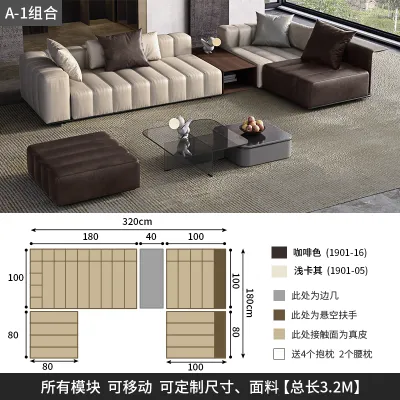
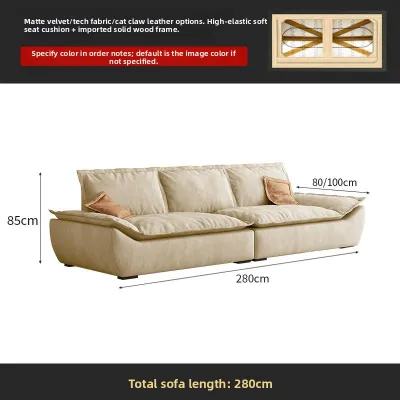
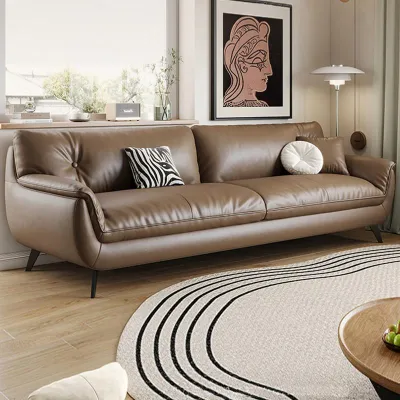
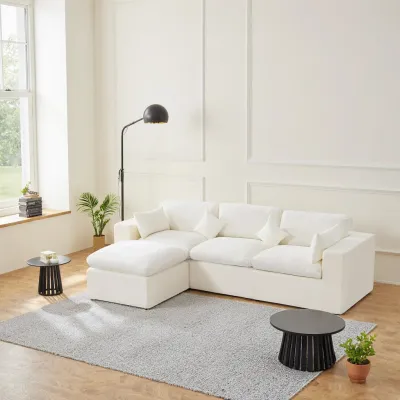

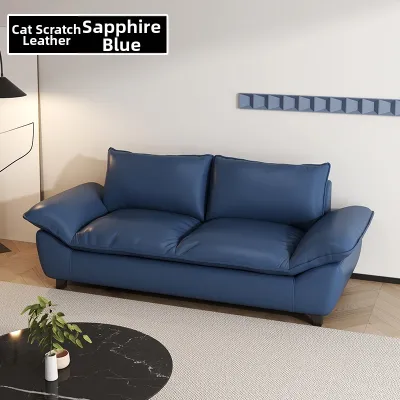
Prices are valid at publication and may change. Please refer to the product page for the latest price.
Traffic flow is the next critical factor in your layout planning. Main walkways require a clear path of at least 60 to 75 centimeters to allow comfortable movement without bumping into furniture. If your sofa sits between the entrance and the kitchen, or along the path to the bedroom, a bulky furniture piece will quickly turn daily movement into an obstacle course.
In tropical climates, architectural features and utility points dictate where your furniture can safely sit. Avoid placing your sofa directly against walls with active power outlets, media ports, or light switches that you need to access daily. Furthermore, position the sofa to maintain clear access to balcony doors and ensure it does not block the direct airflow from split-type air conditioning units, which can cause uneven cooling and localized humidity buildup.
Evaluating Italian Sofa Configurations for Compact Spaces
Two-Seater and Loveseats
Two-seater Italian sofas and loveseats are highly practical options for narrow or rectangular condo layouts. When evaluating these models, pay close attention to the armrest width and overall seat depth. Italian designs often feature wide, plush armrests that can add 30 centimeters or more to the total length without increasing the actual seating area. Opting for designs with slim, structured armrests maximizes your usable seating space while keeping the overall footprint compact.

Modular Sofas
Modular sofas offer exceptional flexibility for small spaces because they allow you to customize the arrangement to fit your room’s exact shape. Before purchasing, verify the minimum footprint of each individual module to ensure they can be configured without blocking pathways. The primary advantage of a modular system is the ability to separate the pieces; you can use a central two-seater section as your primary sofa and place a matching single-seat module in an adjacent corner as an accent chair.
L-Shaped (Sectional) Sofas
L-shaped or sectional sofas can work well in a 20 square meter room if you position them tightly into a corner. However, you must carefully measure the length of the chaise lounge section. A chaise that extends too far into the center of the room will obstruct your main pathway or block access to your balcony. Look for reversible or modular chaises that allow you to switch the configuration from left to right if you decide to rearrange your layout in the future.
Sofa Beds or Futons
If your condo doubles as a guest room, an Italian sofa bed or futon provides dual functionality. When evaluating these convertible designs, you must measure the total mechanical clearance required when the bed is fully extended. Ensure there is enough space left at the foot of the bed for a person to walk past, and check that nearby items like media consoles or side tables do not need to be completely removed from the room every time you unfold the mattress.
Verifying Critical Dimensions and Delivery Clearances
To ensure a successful installation, you must cross-reference the sofa’s finished dimensions with your room’s physical boundaries. Check the manufacturer’s specifications for the overall length, depth, and backrest height. A high-back sofa can make a low condo ceiling feel even lower, whereas a low-profile Italian design creates an illusion of height and openness in a compact room.
Maintaining standard walkway clearances is essential for a comfortable living environment. Ensure that the distance between the edge of your sofa and your coffee table is at least 30 to 45 centimeters, allowing comfortable legroom while keeping drinks within reach. If space is exceptionally tight, consider replacing a traditional coffee table with nesting side tables that can be tucked away when not in use.
Delivery access is a frequently overlooked bottleneck when purchasing premium furniture. Many high-end Italian sofas feature solid, single-frame construction that cannot be disassembled. You must measure the height, width, and depth of your condo’s service elevator, the clearance of tight stairwell turns, and the exact width of your unit’s entry door. If the sofa cannot clear these entry points, you may face costly return fees or complicated delivery logistics.
Finally, check the weight distribution of the sofa and the structural limits of your flooring. Heavy solid wood or metal-framed Italian sofas exert significant pressure through their legs. If you are placing the sofa on raised wooden platforms, laminate flooring, or delicate tiles, verify that the legs are equipped with wide, protective floor pads to distribute the weight evenly and prevent permanent scratching or indentation.
Avoiding Common Sizing and Layout Mistakes
One of the most common errors is relying solely on how a sofa looks in a spacious retail showroom. Showrooms feature soaring ceilings, professional lighting, and vast open floor plans that make massive three-meter sectionals look modest. Without your actual room measurements in hand, it is incredibly easy to purchase a piece that completely overwhelms your 20 square meter living room.
Another mistake is ignoring the visual weight and bulkiness of heavy upholstery materials. Thick, dark Italian leather or heavily textured fabrics can make a small room feel cramped and dark. To maintain a light and airy atmosphere, consider lighter fabric options or leather finishes in neutral tones, and look for designs with raised legs that expose the floor underneath, which visually expands the room.
Lastly, do not forget to account for the space required by your existing furniture. A sofa does not sit in isolation; it must coexist with media consoles, floor lamps, indoor plants, and side tables. If you select a sofa that takes up every available centimeter of your primary wall, you will be forced to crowd your other belongings, resulting in a cluttered and disorganized living environment.
Frequently Asked Questions (FAQ)
How do I test if an Italian sofa will fit before delivery?
To visualize the sofa’s physical footprint, use painter’s tape to outline the exact length and depth of the piece directly on your living room floor. Leave the tape in place for a few days as you go about your daily routine to see if it interferes with your natural walking paths. To test the visual bulk and height, stack cardboard boxes of a similar height within the taped outline to check if the sofa will block your sightlines, window views, or light sources.
Can I customize the dimensions of an Italian sofa for my condo?
Many premium Italian furniture brands and authorized dealers offer bespoke customization options where you can specify the overall length, seat depth, and armrest style. However, you should note that ordering a custom-sized piece will significantly increase production lead times and may limit your ability to return or exchange the item. Always verify how custom modifications affect the manufacturer’s structural warranty before finalizing your order.
Community discussion
Share your experience or ask a question. Comments are reviewed before publication.