
Achieving a serene, balanced Japandi living room begins with selecting the right central seating. The couch serves as the anchor of this design philosophy, which harmoniously blends the rustic, nature-focused minimalism of Japanese interiors with the warm, functional comfort of Scandinavian style. To create a space that feels both tranquil and inviting, the chosen seating must balance visual lightness with grounded comfort.
Selecting a couch for a Japandi space requires looking past temporary trends to focus on clean lines, organic materials, and thoughtful proportions. In tropical environments like the Philippines, where high humidity and warm temperatures influence indoor living, material durability and air circulation are just as important as visual design. By understanding the core shapes, structural details, and textile choices that define this aesthetic, you can select a piece that elevates your home into a peaceful sanctuary.
Core Design Principles of a Japandi Couch
A Japandi couch is defined by its quiet presence. It does not demand attention through bold patterns or ornate details; instead, it anchors the room through exceptional craftsmanship, balanced proportions, and a harmonious blend of two distinct design cultures. The Scandinavian influence contributes structural functionality, clean geometric lines, and a sense of visual lightness. The Japanese influence introduces a grounded, earth-bound quality that values rustic textures, low profiles, and natural imperfections.
Products mentioned in this guide
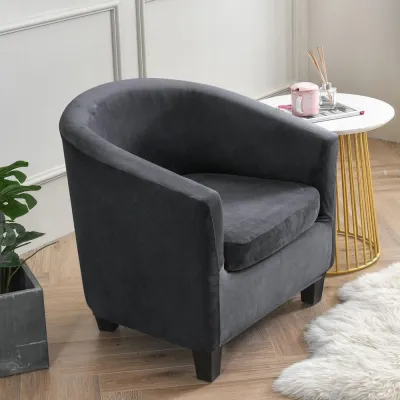
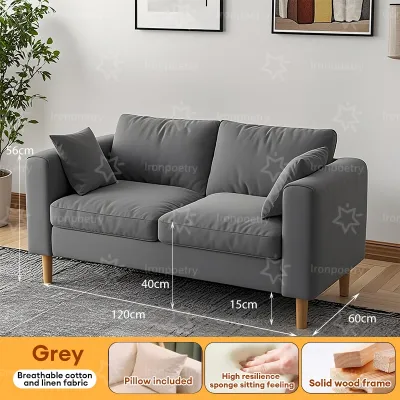
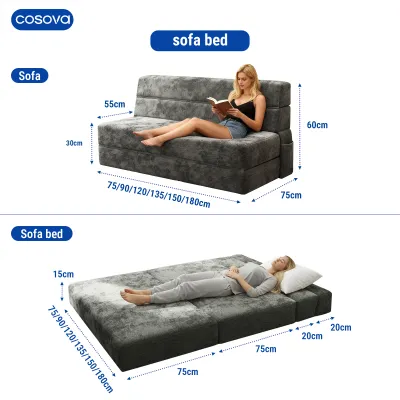
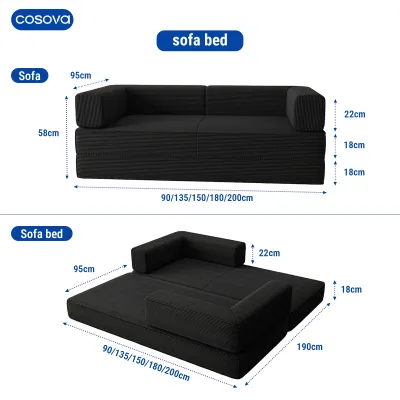
Prices are valid at publication and may change. Please refer to the product page for the latest price.
This design intersection relies heavily on the Japanese concept of “Ma,” which translates to negative space or the pause between elements. In interior design, “Ma” dictates that a room must have breathing space to feel tranquil. A Japandi couch is intentionally designed to allow light and air to flow freely around and under it, ensuring the furniture never dominates or chokes the room’s layout. This is particularly valuable in urban apartments and open-plan living areas, where preserving open floor space directly impacts how spacious and relaxing the home feels.
Before purchasing a couch, establishing a baseline checklist helps verify its compatibility with the Japandi aesthetic. Every potential piece should be evaluated against these four core criteria:
- Silhouette: Look for clean, straight, or gently curved profiles that avoid heavy ornamentation, deep traditional tufting, or complex decorative carvings.
- Visual Weight: Choose a design that maintains a balanced, uncluttered presence, ensuring the piece feels integrated into the room rather than bulky.
- Materiality: Prioritize tactile, matte, and natural finishes on both the frame and the upholstery, avoiding highly reflective or synthetic surfaces.
- Color Palette: Stick to muted, nature-inspired tones that reflect the natural world and complement a calming, neutral environment.
Best Couch Silhouettes for a Japandi Living Room
The silhouette of your couch establishes the structural character of your living room. Different shapes offer distinct functional benefits while maintaining the minimalist, warm essence of Japandi design.

Low-Profile and Grounded Modular Sofas
Low-profile modular sofas sit exceptionally close to the floor, often featuring seat heights between 35 and 40 centimeters. This low-slung design draws inspiration from traditional Japanese tatami-style living, where activities occur closer to the ground. By lowering the visual center of gravity, a low-profile couch makes ceilings feel higher and rooms feel significantly more spacious and open.
Modular configurations offer excellent functional flexibility for modern homes. Because these systems consist of individual seating modules, corner pieces, and freestanding ottomans, you can easily rearrange the layout to suit different occasions or adapt to new homes. This adaptability is highly practical for urban living, allowing you to scale the seating up or down without disrupting the visual flow of the room.
When choosing a low-profile modular couch, structural stability is a primary consideration. Because these pieces sit directly on the floor, verify that the individual modules feature robust, concealed interlocking brackets to prevent them from sliding apart during daily use. Additionally, check the quality of the base joints and frame construction to ensure the low-slung frame can withstand consistent weight without sagging or shifting on smooth tiled or hardwood floors.
Exposed Wood Frame Sofas
Exposed wood frame sofas celebrate structural honesty and natural craftsmanship. Instead of hiding the entire frame beneath fabric, these designs feature visible wooden bases, clean-lined armrests, and exposed joinery details, such as dowel or mortise-and-tenon joints. This visible woodwork introduces organic warmth, texture, and a sense of timeless craftsmanship directly into the living space.
To align with the Japandi aesthetic, pay close attention to the finish of the wood frame. Look for matte, low-sheen finishes, or frames treated with natural oils and water-based sealants that preserve the authentic texture and grain of the wood. Avoid high-gloss varnishes, heavy lacquers, or dark, uniform stains that mask the natural character of the timber and introduce an artificial shine.
Before finalizing your choice, verify the wood species and weight capacity from the manufacturer’s technical specifications. In tropical climates with high seasonal humidity, choosing high-quality, kiln-dried hardwoods like white oak, ash, or sustainably sourced local timbers is essential. Kiln-drying ensures the wood has a stable moisture content, which prevents the frame from warping, cracking, or swelling over time.
Clean-Lined Track Arm and Tuxedo Sofas
Track arm and tuxedo sofas offer a structured, geometric alternative that highlights the clean, functional lines of Scandinavian design. Track arm sofas feature straight, square arms that run parallel to the floor, while tuxedo sofas feature arms that are the exact same height as the backrest. Both styles provide a crisp, tailored look that keeps the living room looking neat and organized.
These silhouettes are particularly effective in narrow or rectangular living rooms because their straight edges align perfectly with walls and walkways, maximizing usable floor space. The lack of flared arms or bulky padding ensures that every centimeter of the couch’s footprint is dedicated to seating, preventing unnecessary visual clutter.
To ensure a clean-lined couch retains its structured appearance over years of daily use, check the cushion density and construction details. Look for high-density polyurethane foam cores wrapped in a softer layer of down or dacron fibers, which provides a supportive sit while maintaining a crisp, flat cushion surface. Always check the fabric care label to ensure the covers can be easily maintained without warping or losing their tailored fit.
Soft Curved and Organic Silhouettes
While straight lines form the foundation of minimalist design, incorporating soft, organic curves prevents a Japandi living room from feeling cold or clinical. Couches with gently curved backrests, rounded corners, or kidney-shaped footprints introduce a welcoming, human-centric softness that mimics natural forms found in the environment.
To maintain aesthetic harmony, balance a curved couch with highly linear elements throughout the rest of the room. Pair the flowing lines of the sofa with a rectangular low-profile coffee table, a geometric flat-weave rug, or straight-lined wall shelving. This contrast ensures the curves feel intentional and grounded rather than chaotic or overly whimsical.
Measuring is critical when selecting a curved or organic silhouette. Because of their irregular shapes, curved sofas often have variable depths and require a larger overall footprint than standard rectangular models. Use painter’s tape to map out the exact dimensions on your living room floor before purchasing, ensuring you leave sufficient clearance for walking paths and adjacent furniture.
Ideal Upholstery and Frame Materials
The tactile quality of a Japandi couch is just as important as its shape. Because the color palette remains neutral and minimalist, the texture of the materials must do the heavy lifting to create depth, warmth, and visual interest.
For upholstery, prioritize natural, breathable fibers that offer a matte finish and a rich tactile feel. Excellent options include:
- Linen: Highly breathable and naturally textured, linen offers an effortless, relaxed look that softens the clean lines of the furniture.
- Cotton and Cotton Blends: Provide a smooth, soft touch and excellent durability for everyday household use.
- Subtle Textured Weaves (such as Bouclé): Add depth and cozy warmth through looped fibers without relying on loud, distracting patterns.
Avoid synthetic fabrics with a high sheen, heavily distressed leathers, or highly reflective velvets. These materials introduce a polished or industrial feel that conflicts with the calm, organic nature of Japandi design.
For the structural frame, look for solid hardwoods like white oak, ash, or walnut. These timbers offer beautiful natural grain patterns and long-term durability. In humid tropical climates, wood frames must be checked for proper kiln-drying and moisture-resistant finishes to prevent mold growth and structural warping.
Keep in mind that material names alone do not guarantee performance or longevity. Always read the product label and manufacturer specifications to verify durability. Look for the Martindale or Wyzenbeek rub count; a rating of 15,000 to 20,000 rubs is suitable for regular residential use, while ratings above 30,000 indicate heavy-duty durability. Additionally, check for stain-resistance treatments and read the care instructions carefully, as natural fabrics like linen may require specific dry-cleaning methods to prevent shrinkage or water spotting.
Sizing and Placement for an Airy, Uncluttered Look
To preserve the tranquil, spacious feel essential to Japandi design, you must carefully calculate the scale of your couch relative to your living room. An oversized couch will overwhelm the space and block natural light, while an undersized piece will feel lost and fail to anchor the room.
Begin by measuring your living room’s total floor area and mapping out your layout. A practical rule of thumb is to ensure the couch occupies no more than two-thirds of the wall or designated seating area it sits against. Leave a minimum of 45 to 60 centimeters of walking clearance between the couch and other furniture pieces, such as coffee tables, side tables, or media consoles, to ensure comfortable movement throughout the room.
Choosing a couch with raised legs—ideally leaving 12 to 18 centimeters of clearance underneath—creates a powerful sense of visual lightness. This gap allows natural light and sightlines to pass beneath the furniture, making small or narrow living rooms feel larger and brighter. It also facilitates better air circulation, which helps keep the seating area feeling cool and fresh in warm climates.
Instead of pushing your couch directly against the wall, try “floating” it in the room. Pulling the couch away from the wall by even 15 to 30 centimeters creates a sense of depth, improves traffic flow, and allows the room to breathe. If you have a large open-plan space, use a single spacious sofa to define the seating zone rather than a bulky, multi-piece sectional that blocks pathways and visual lines.
Before finalizing your purchase, complete a thorough delivery checklist to ensure the couch can safely enter your home. Measure the width, height, and diagonal clearance of all entryways, hallways, elevator doors, and stairwell turns. In high-rise condominiums or compact townhouses, narrow corridors and tight turns are common bottlenecks; verifying these dimensions beforehand prevents delivery day complications.
Frequently Asked Questions (FAQ)
Can I use a leather couch in a Japandi living room?
Yes, a leather couch can fit beautifully into a Japandi living room if you select the right finish and tone. Choose high-quality, full-grain or top-grain leather with a smooth, matte, or lightly textured finish in muted, earthy tones such as cognac, warm taupe, or soft charcoal. Avoid highly polished, glossy finishes, deep button tufting (such as classic Chesterfield designs), or heavily distressed leathers, as these styles lean too traditional, industrial, or rustic-American for a minimalist space.
What color couch is best for a Japandi style?
The best color palette for a Japandi couch consists of neutral, nature-inspired tones that promote a sense of calm and relaxation. Excellent choices include oatmeal, warm grey, soft beige, muted olive, and charcoal. Avoid stark, clinical whites, which can feel harsh and cold under bright daylight, as well as highly saturated primary colors that disrupt the serene, organic atmosphere of the room.
How do I add warmth to a minimalist Japandi couch?
You can easily add warmth and comfort to a minimalist couch by layering it with highly tactile, natural textiles. Drape a textured throw blanket—such as a chunky knit or a woven cotton throw—over the armrest, and add a limited number of linen or cotton throw pillows in complementary, muted tones. Complete the seating zone by placing a natural fiber rug, like jute or sisal, underneath the couch and pairing it with a solid wood side table to ground the space with organic textures.
Community discussion
Share your experience or ask a question. Comments are reviewed before publication.