
Finding the balance between functional storage and minimalist aesthetics is a common challenge when furnishing compact urban homes in the Philippines. A couch with storage box offers a practical solution to maximize limited square footage, but integrating this dual-purpose furniture piece into a cohesive Japandi design requires careful planning. Japandi style—a harmonious fusion of Japanese minimalism and Scandinavian functionality—emphasizes clean lines, natural textures, and an airy, uncluttered atmosphere. To successfully incorporate a storage couch without disrupting this serene aesthetic, you must evaluate how the piece balances its hidden utility with its external visual weight. This guide outlines the essential design elements, spatial measurements, mechanical configurations, and material specifications required to select a storage couch that enhances both the organization and the style of your living space.
Identifying Japandi Design Elements in Storage Couches
To select a storage couch that aligns with Japandi principles, you must first understand the core visual traits of this design movement. Japandi style relies on clean, straight lines, low-profile silhouettes, and a connection to nature. Traditional storage couches often look bulky because the base extends all the way to the floor to maximize storage volume. To maintain a minimalist feel, look for designs that incorporate subtle visual tricks, such as a slightly recessed base or short, tapered wooden legs. These elements lift the frame off the floor just enough to create a shadow line, which reduces the visual weight of the furniture and makes your living room feel more spacious.
Color selection plays a critical role in establishing a calm, cohesive environment. Japandi palettes favor muted, nature-inspired tones that reflect natural light and create an open, airy feel. When shopping for a couch with storage box, prioritize earthy neutrals such as warm beige, soft cream, light sand, and muted grey. Avoid stark, clinical whites or overly dark, heavy colors that can dominate a small room. The goal is to choose a hue that blends seamlessly with your walls and surrounding decor, allowing the couch to anchor the room without overwhelming it.
Products mentioned in this guide
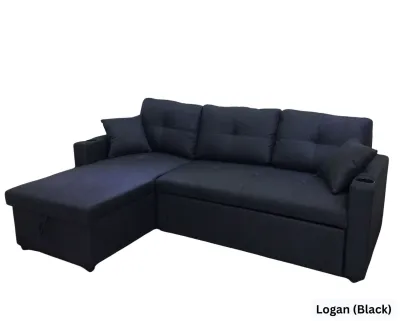
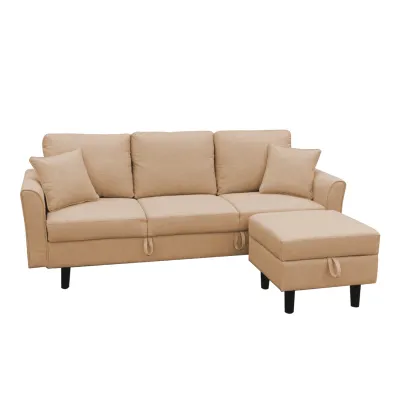
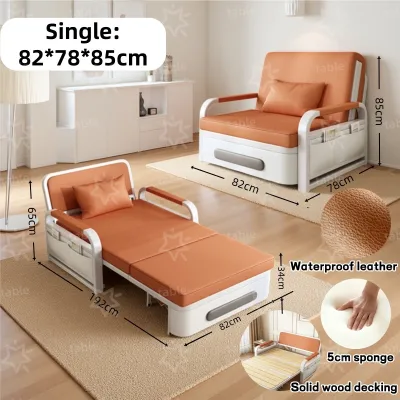
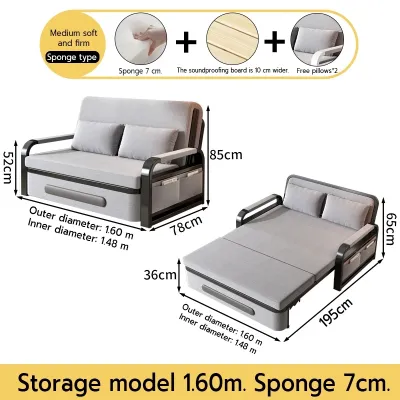
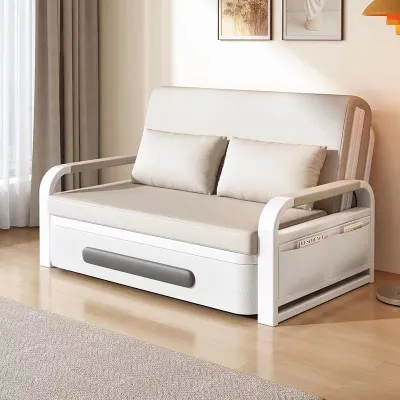
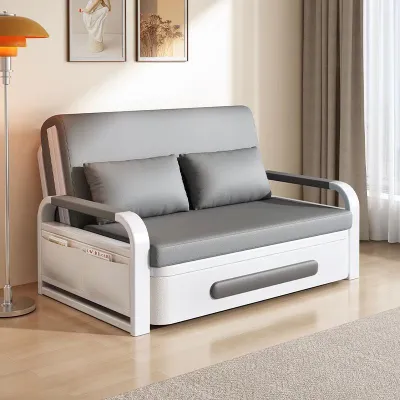
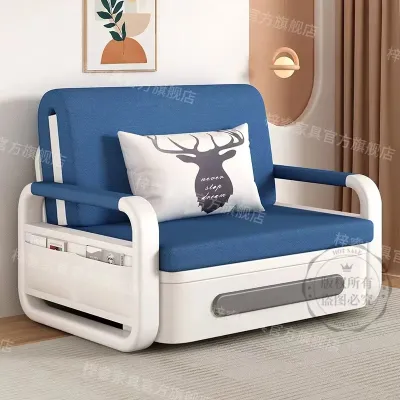
Prices are valid at publication and may change. Please refer to the product page for the latest price.
Certain design compromises must be avoided to preserve the minimalist aesthetic. Steer clear of couches with bulky, overstuffed armrests, tufted cushions, or ornate decorative stitching, as these details add unnecessary visual clutter. Similarly, avoid visible metal hardware, prominent drawer handles, or shiny plastic components on the exterior of the couch. Instead, look for track arms, slim profiles, and integrated finger pulls or push-to-open mechanisms that keep the outer surfaces completely flush and clean. This ensures the storage function remains entirely hidden from view.
Texture is another essential element of Japandi design, serving as a substitute for bold patterns or bright colors. Opt for upholstery fabrics with a visible, tactile weave, such as linen blends, flat-weave cottons, or textured bouclé. These materials add warmth and organic character to the space while remaining simple and understated. By focusing on clean lines, muted colors, and subtle textures, you can find a highly functional storage couch that looks like a curated piece of minimalist art.
Measuring and Planning for Compact Living Spaces
Before purchasing any large furniture piece, you must carefully measure your living space to ensure a proper fit. Begin by calculating the exact footprint of the couch and mapping it out on your living room floor using masking tape. This physical outline helps you visualize how much floor space the couch will occupy and allows you to test the flow of traffic. Ensure you maintain a clear walkway of at least 60 to 90 centimeters around the seating area so that movement through the room remains comfortable and unobstructed.

Living in a high-rise condo or compact apartment in the Philippines introduces unique delivery challenges that you must plan for in advance. Measure the maximum clearance dimensions of your building’s service elevator, including the door width, interior height, and diagonal depth. Additionally, measure the width of all hallways, stairwell turns, and your unit’s entryway door. Compare these measurements against the packaged dimensions of the couch to verify that the piece can be safely transported to your living room. Confirm whether the couch is delivered fully assembled or if it arrives in modular sections that can be assembled inside your home.
Placement relative to natural light and existing architectural features is crucial for maintaining an airy feel. Position the couch in a way that does not block windows, balcony doors, or natural light paths, as bright spaces naturally feel larger and more inviting. A low-profile backrest is particularly beneficial in small condos, as it allows light to pass over the couch and keeps sightlines open across the room. Consider how the couch interacts with other furniture pieces, ensuring it does not crowd media consoles, side tables, or indoor plants.
Comparing Storage Mechanisms and Accessibility
Storage couches generally utilize one of two primary mechanisms: lift-up seat cushions or built-in base drawers. Lift-up mechanisms, often supported by gas-lift struts or spring-assisted hinges, allow you to raise the entire seating platform to access a large, undivided storage compartment underneath. This configuration maximizes the available storage volume, making it ideal for bulky, infrequently used items such as extra bedding, seasonal linens, or travel gear. However, accessing this compartment requires you to remove any loose throw pillows and sitters, which can be inconvenient for daily-use items.
Drawer-style storage features built-in drawers that slide out from the front or sides of the couch base. This design offers quick, convenient access to stored items without disturbing anyone sitting on the couch. Drawers are highly practical for organizing everyday items like remote controls, books, chargers, or children’s toys. The primary trade-off is that drawers require ample clear floor space in front of the couch to slide open fully. If you have a coffee table or a thick area rug placed directly in front of the couch, operating the drawers may prove difficult in a tight layout.
When evaluating the internal storage compartment, inspect the depth and the presence of structural dividers. While dividers add stability to the couch frame, they also restrict the size of the items you can store inside. Check the manufacturer’s specified weight limits for both the seating surface and the internal storage compartment. Overloading the storage box can cause the bottom panel to sag or warp, which may interfere with the smooth operation of the drawers or lift-up mechanisms over time.
Hardware quality is a critical factor that directly impacts the longevity and usability of your storage couch. Examine the hinges, gas struts, or drawer glides to ensure they operate smoothly and quietly. High-quality hardware prevents the storage panels from shifting out of alignment, which is essential for maintaining the clean, flush lines of a Japandi exterior. Squeaky, stiff, or flimsy mechanisms can quickly become a source of frustration and may lead to premature wear on the couch frame.
Checking Material Specifications and Care Requirements
In the tropical climate of the Philippines, high humidity and warm temperatures require careful consideration of upholstery materials. Read the manufacturer’s fabric specifications closely, looking for breathable fibers that promote airflow and resist moisture retention. Cotton-linen blends and high-performance polyester weaves are excellent choices, as they offer a natural look while remaining durable and easy to clean. Avoid synthetic leather or heavy, non-breathable fabrics that can feel sticky and uncomfortable in warm weather.
Review the standardized textile labels to assess the durability of the fabric. Look for the Martindale or Wyzenbeek rub count, which indicates how well the fabric resists wear from daily friction; a rating of 15,000 rubs or higher is generally recommended for residential use. Additionally, check the manufacturer’s cleaning codes (such as W for water-based cleaners, S for solvent-based cleaners, or W-S for both) to ensure you can easily maintain the fabric. Some fabrics feature moisture-wicking properties or protective finishes that help prevent mold and mildew growth in humid environments.
Inspect the visible wood elements and the internal frame construction to ensure they meet both aesthetic and structural standards. Authentic Japandi furniture utilizes light-toned hardwoods such as oak, ash, or sustainably sourced rubberwood. Verify that the wood has a matte or low-sheen protective finish that preserves the natural grain while protecting it from moisture and spills. Examine the joint structures; high-quality frames feature reinforced joints that are doweled, glued, or screwed together, rather than simply stapled, ensuring the couch can support the weight of both the users and the stored items.
Do not rely on general material assumptions when making your decision. Always verify the manufacturer’s official weight capacity claims and structural warranties. A reputable manufacturer will provide clear guidelines on the maximum load the couch can support. Review the warranty terms to understand what is covered, paying close attention to the coverage period for the frame, the upholstery fabric, and the moving mechanical parts of the storage system.
Sourcing Options and Pre-Purchase Verification
While online shopping offers convenience and a wide selection, visiting a physical showroom is highly beneficial when purchasing a storage couch. Testing the couch in person allows you to evaluate the firmness of the cushions, feel the texture of the fabric, and personally operate the storage mechanism to ensure it opens and closes smoothly. If you must purchase online, protect your investment by requesting fabric swatches, reading verified customer reviews, and studying detailed technical drawings that show the exact dimensions of the couch when fully opened.
Review the retailer’s delivery and assembly services before finalizing your purchase. Storage couches can be heavy and complex to assemble, particularly those with gas-lift mechanisms. Confirm whether the delivery fee includes professional assembly and placement in your living room, and check if there are extra charges for carrying the items up stairs if your building lacks a service elevator. Understanding these logistics beforehand prevents unexpected delays or difficulties on delivery day.
Finally, carefully read the retailer’s return policies and restocking fees. Because large furniture items are expensive and logistically challenging to transport, return policies for couches can be strict. Verify the return window, the condition the item must be in, and whether you will be responsible for return shipping costs or restocking fees. Being fully informed of these terms ensures a smooth, risk-free purchasing experience as you select the perfect storage couch for your Japandi-inspired home.
Frequently Asked Questions (FAQ)
How do I prevent a storage couch from looking too bulky in a small room?
To minimize the visual weight of a storage couch, select a design with a recessed base or short, tapered wooden legs that lift the frame slightly off the floor. This creates a shadow line that makes the piece appear lighter. Additionally, style the surrounding space with low-profile furniture, such as a slim coffee table, and keep decorative accessories minimal. Avoid draping heavy, dark blankets over the couch; instead, use light-colored, textured throw pillows to maintain an open, airy feel.
What should I check on the product label to ensure the fabric suits a humid environment?
When reviewing the product label, look for breathable fiber blends such as cotton-linen or high-performance polyester that allow air to circulate and prevent moisture buildup. Check the manufacturer’s care tag for indications of moisture-wicking properties or specific finishes designed to resist mold and mildew. Additionally, verify the cleaning codes to ensure the fabric can be easily maintained and cleaned using appropriate methods for humid tropical climates.
Community discussion
Share your experience or ask a question. Comments are reviewed before publication.