
Finding a balance between minimalist aesthetics and everyday utility can be a design challenge, especially when selecting a multi-functional centerpiece like a dual purpose sofa bed. The Japandi style—a harmonious fusion of Japanese rustic minimalism and Scandinavian functional warmth—offers an elegant solution. To successfully integrate a dual purpose sofa bed into a Japandi-inspired living space, you must look beyond basic functionality and evaluate specific design elements, from the low-profile silhouette to the tactile quality of the upholstery.
In tropical climates like the Philippines, where urban living spaces often require smart spatial planning, a sofa bed must do more than just fold out; it must maintain a sense of airiness, withstand local humidity, and provide a comfortable retreat. By focusing on clean lines, natural materials, concealed hardware, and thoughtful proportions, you can select a piece that serves as a serene visual anchor during the day and a comfortable sleeping surface at night.
Evaluating Proportions and Silhouette for Minimalist Appeal
The silhouette of a Japandi dual purpose sofa bed is defined by simplicity, clean geometry, and a low-profile stance. Traditional sleeper sofas often look bulky, heavy, and overstuffed because they must accommodate thick internal mattresses and complex metal frames. To align with Japandi principles, you should actively seek out designs that minimize visual weight and emphasize horizontal lines.
Products mentioned in this guide

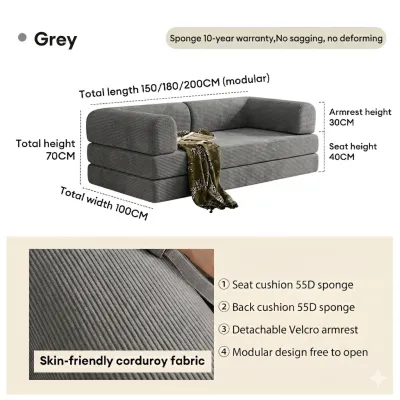
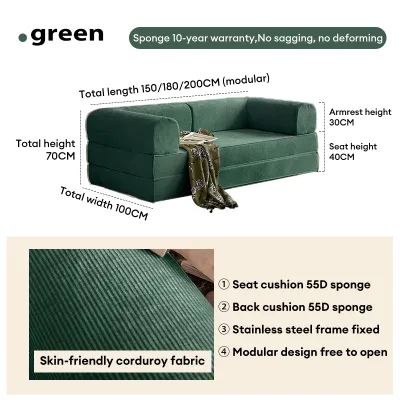

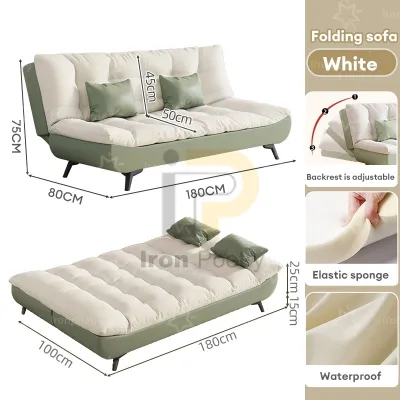



Prices are valid at publication and may change. Please refer to the product page for the latest price.
Start by checking the seating height. Japandi furniture typically sits lower to the ground than standard Western designs, drawing inspiration from traditional Japanese floor-level living. A low-profile sofa bed, with a seat height ranging between 35 to 43 centimeters, creates an immediate sense of openness in a room. This lower visual plane makes ceilings appear higher and allows natural light to flow uninterrupted across the space.
Next, examine the armrests and backrest. Avoid pieces with thick, rolled, or heavily padded armrests, which add unnecessary bulk. Instead, prioritize slim, track arms or even armless designs that highlight clean, orthogonal lines. The backrest should feature a tailored, structured appearance rather than loose, slouchy cushions that sag over time. Look for firm, integrated cushioning that maintains its crisp, geometric shape whether the unit is configured as a sofa or a bed.
Finally, evaluate the base and leg visibility. A sofa bed that sits flush against the floor can look incredibly heavy and blocky. To counter this, look for designs with elevated bases supported by slender, tapered legs. This floor clearance allows light to pass underneath the furniture, creating an illusion of weightlessness. If the frame does feature a solid plinth base, ensure it is slightly recessed to create a subtle shadow line, which softens the transition between the furniture and the floor.
Selecting Natural Materials and Matte Finishes
Japandi design relies heavily on organic materials to bring warmth, texture, and a connection to nature indoors. When evaluating a dual purpose sofa bed, the choice of wood and fabric is critical to achieving this grounded aesthetic. However, simply seeing a label like “solid wood” or “natural linen” is not enough; you must inspect the quality, treatment, and suitability of these materials for your specific living environment.

When assessing the wooden elements—such as the exposed frame, legs, or arm accents—prioritize light-to-medium toned woods like ash, white oak, beech, or sustainably sourced rubberwood. These species offer the pale, warm grain patterns characteristic of Scandinavian interiors. Crucially, check the finish of the wood. Avoid high-gloss lacquers, shiny varnishes, or heavy stains that mask the natural grain. Instead, look for matte, oil, or soap finishes that preserve the raw, tactile feel of the timber.
In humid tropical environments, untreated wood is highly susceptible to warping, moisture absorption, and mold. Therefore, verify that the wooden components have been properly kiln-dried and treated with a moisture-resistant, matte protective sealant. This ensures the frame remains stable and durable without losing its organic, low-sheen appearance. Additionally, inspect the joints of the wooden frame; high-quality craftsmanship, such as mortise-and-tenon joinery, is a hallmark of both Japanese and Scandinavian woodworking and ensures the sofa bed can withstand the physical stress of daily conversions.
For the upholstery, prioritize breathable, natural fibers that feel comfortable against the skin, especially during warm afternoons. Linen blends, cotton canvas, and low-pile bouclé are excellent choices. These fabrics allow air to circulate, preventing the sticky, hot sensation associated with synthetic materials. Avoid heavy faux leathers, high-shine polyesters, or delicate silks. Faux leather, in particular, tends to trap heat and can peel or crack quickly in warm, humid climates. When choosing natural fibers, check if the fabric has been pre-shrunk or treated with a non-toxic, matte soil repellent to simplify long-term maintenance.
Assessing Concealed Hardware and Folding Mechanisms
A primary challenge of integrating a dual purpose sofa bed into a minimalist home is hiding its mechanical nature. A true Japandi piece should look like a refined, intentional sofa first, with no obvious clues that it converts into a bed. Visible metal tracks, protruding levers, or bulky hinges immediately disrupt the clean, serene aesthetic of a minimalist living room.
When shopping, closely inspect how the conversion hardware is integrated into the frame. Look for concealed hinges and hidden tracks that are completely tucked away within the wooden structure. When the piece is in sofa mode, the mattress, support legs, and internal metal frame must be entirely invisible from all angles, including the back and sides. This is particularly important if you plan to place the sofa bed in the center of a room rather than flush against a wall.
Evaluate the operation of the folding mechanism. Whether it is a click-clack system, a pull-out drawer, or a fold-down backrest, the transition should be smooth and require minimal effort. Tight, poorly aligned mechanisms can strain the wooden frame over time, leading to structural squeaks or misalignment. Check that the seams where the cushions meet align perfectly when closed, leaving no awkward gaps or exposed metal components.
If the design does feature exposed metal parts—such as the secondary support legs that fold down to stabilize the extended bed—ensure they are finished thoughtfully. Avoid bright, polished chrome or shiny brass, which clash with the organic Japandi palette. Instead, look for metals with muted, brushed, or powder-coated finishes in matte black, dark charcoal, or warm bronze. These darker, low-sheen metals recede visually, keeping the focus entirely on the natural wood and fabric.
Choosing a Calming Color Palette and Subtle Textures
The color palette of a Japandi space is designed to evoke a sense of calm, mindfulness, and quiet comfort. Because a dual purpose sofa bed is a large piece of furniture, its color will dominate the visual field of your living room. To maintain a peaceful, grounded environment, you must select colors and textures that harmonize with the rest of your decor rather than competing for attention.
Focus on a palette of muted neutrals, warm earth tones, soft greys, sand, oatmeal, and off-whites. These shades reflect natural light beautifully, helping to make small or compact rooms feel more spacious and airy. If you want to introduce deeper tones, look to nature for inspiration: muted olive green, soft terracotta, slate grey, or deep charcoal can add sophisticated contrast without disrupting the tranquil atmosphere.
Avoid loud prints, high-contrast geometric patterns, or bright, saturated accent colors. In a Japandi interior, visual interest is created through texture rather than pattern. Look for upholstery fabrics with subtle woven textures, such as a linen-cotton blend with natural slubs (slight irregularities in the yarn). These organic imperfections add depth, warmth, and a tactile quality that aligns perfectly with the Japanese concept of wabi-sabi, which finds beauty in natural imperfection.
When coordinating the sofa bed with other textiles in the room, such as throw pillows or blankets, stick to the same tonal family. Choose solid colors in varying textures—like a chunky knit throw paired with a smooth linen cushion—to create a layered, cozy look that feels intentional and uncluttered.
Space Planning and Placement Checklist for Negative Space
In Japandi design, the empty space around furniture is just as important as the furniture itself. This concept, known as ma in Japanese aesthetics, refers to the intentional use of negative space to create balance, breathing room, and a sense of calm. A cramped, overcrowded room immediately defeats the purpose of a minimalist design. Therefore, careful space planning is essential before bringing a dual purpose sofa bed into your home.
Use this practical checklist to plan your space and ensure a seamless delivery and installation:
- Measure the Sofa Footprint: Verify the exact width, depth, and height of the sofa bed in its closed position. Ensure it fits comfortably against your designated wall or within your open-plan layout without blocking natural light sources or architectural features.
- Calculate Full Bed Clearance: Measure the total depth of the sofa bed when it is fully extended into a bed. You must ensure there is at least 60 to 70 centimeters of clear walking space around the foot and sides of the bed when open. This allows you or your guests to move around the room comfortably without having to climb over other furniture.
- Plan for Nearby Furniture: If you have a coffee table, side tables, or accent chairs nearby, consider where they will go when the sofa bed is open. Choose lightweight, easily movable pieces—such as a small wooden side table or a lightweight woven pouf—that can be effortlessly set aside at night.
- Preserve Visual Negative Space: Avoid crowding the sofa bed with large floor lamps, heavy bookshelves, or indoor plants. Leave a few inches of empty wall space on either side of the sofa to let the design "breathe" and stand out as a curated focal point.
- Verify the Delivery Path: Measure the width and height of all entry points, including front doors, hallway corners, stairwells, and elevator cabins. Many modern condominiums and townhouses have tight corridors that can make delivering fully assembled furniture difficult. Check if the sofa bed is delivered flat-packed and verify the assembly conditions to ensure it can be safely put together inside your home.
Frequently Asked Questions (FAQ)
Is a low-profile Japandi sofa bed comfortable for everyday sleeping?
A low-profile Japandi sofa bed can be highly comfortable for everyday sleeping, provided you look beyond the frame design and evaluate the internal mattress construction. Because low-profile frames sit closer to the floor, they often accommodate slightly thinner mattresses to maintain their sleek, minimalist look. To ensure proper support, check the density of the foam or the presence of pocket springs within the mattress layer. High-resilience (HR) foam or pocket spring cores offer excellent pressure relief and durability. Additionally, verify that the sofa bed utilizes a supportive wooden slat base rather than a solid wooden board, as slats provide essential flexibility, airflow, and ergonomic support for nightly use.
How should I care for natural linen or cotton upholstery?
Natural fabrics like linen and cotton require gentle, regular maintenance to preserve their texture and appearance, especially in dusty or humid climates. Vacuum the upholstery weekly using a soft brush attachment to remove surface dust and prevent dirt from settling into the woven fibers. For accidental spills, spot-clean immediately by blotting the area with a clean, dry microfiber cloth; never rub, as this can push the liquid deeper into the fibers and damage the weave. Use a mild, fabric-safe detergent diluted in water for stubborn spots, testing it on an inconspicuous area first. Always check the manufacturer’s care label for specific instructions regarding removable cushion covers, as some natural blends may require professional dry cleaning to prevent shrinkage.
What rug styles complement a Japandi dual purpose sofa bed?
To complement a Japandi dual purpose sofa bed, choose a rug that enhances the grounded, organic feel of the room without adding visual clutter. Flatweave rugs, hand-woven jute, sisal, or low-pile wool rugs in neutral, earthy tones are ideal choices. These materials introduce natural texture underfoot while maintaining a clean, low-profile look. When selecting a rug, ensure it is large enough to anchor the entire seating area. Ideally, the rug should accommodate the front legs of the sofa bed in its closed position and still extend far enough to sit comfortably beneath the bed when it is fully opened, creating a cohesive and visually balanced layout.
Community discussion
Share your experience or ask a question. Comments are reviewed before publication.