
The ideal folding sofa bed styles for a Japandi living room are those that seamlessly merge Japanese rustic simplicity with Scandinavian modern utility. This is achieved through three primary styles: low-profile wooden frame sofa beds with clean joinery, relaxed linen or cotton slipcovered designs in muted earthy tones, and floor-level modular futon configurations. These designs prioritize organic textures, low-slung silhouettes, and highly functional folding mechanisms that allow the furniture to serve as an elegant, minimalist visual anchor during the day and a comfortable sleeper at night.
In the tropical climate of the Philippines, achieving this aesthetic requires balancing visual minimalism with practical material choices. High humidity and warm temperatures mean that the structural woods, fabric breathability, and ease of maintenance must be evaluated alongside the physical design. Selecting a folding sofa bed that satisfies both the visual demands of Japandi style and the environmental demands of tropical living ensures a cohesive, durable, and tranquil home environment.
Defining the Japandi Aesthetic for Dual-Purpose Furniture
Japandi design is the intentional marriage of Japanese wabi-sabi—the appreciation of imperfection, simplicity, and natural warmth—and Scandinavian hygge, which emphasizes cozy comfort, clean lines, and utilitarian efficiency. When these two philosophies converge, they create spaces that feel deeply tranquil, uncluttered, and functional. In a living room, every piece of furniture must justify its presence, serving both an aesthetic and a practical purpose without contributing to visual noise. Multi-functional furniture is not merely a space-saving compromise; it is an opportunity to express thoughtful design.
Products mentioned in this guide

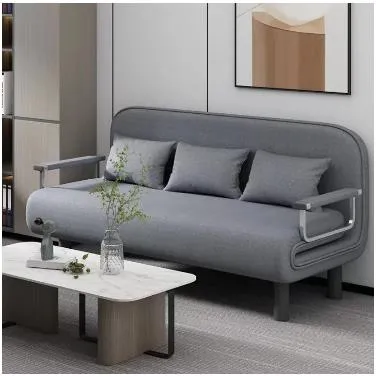
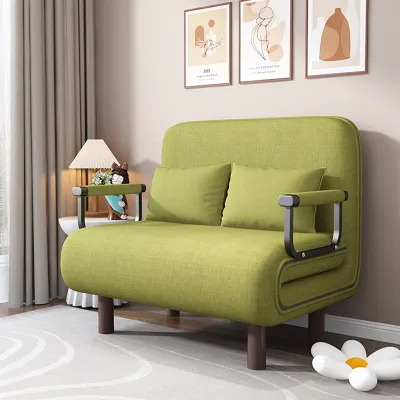
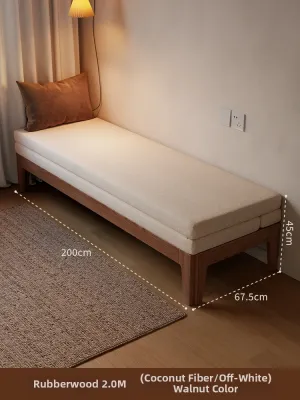
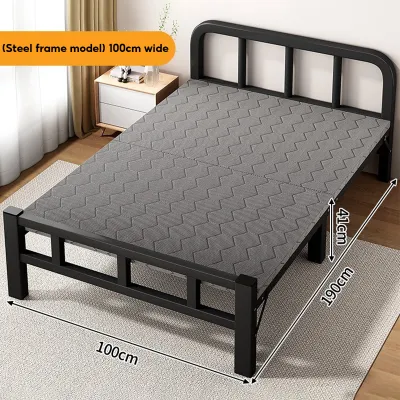
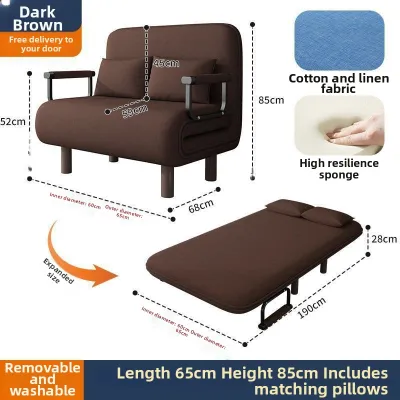

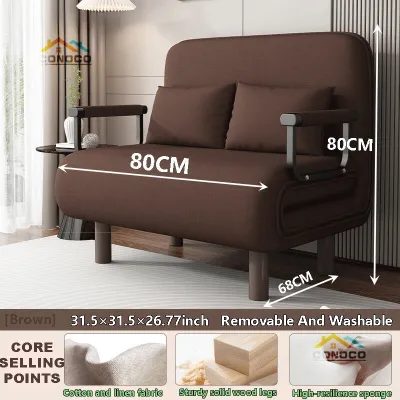
Prices are valid at publication and may change. Please refer to the product page for the latest price.
A folding sofa bed represents a classic dual-purpose design challenge. In many conventional setups, sleeper sofas are treated as purely utilitarian items—bulky, mechanical compromises hidden away until guests arrive. The Japandi approach reframes this entirely. A Japandi-style folding sofa bed is treated as a deliberate, artistic anchor for the entire room. When folded, its silhouette must be clean, balanced, and structurally pleasing, contributing to the room’s overall sense of calm. It should not look like a temporary guest bed waiting to be unfolded; rather, it must stand on its own as a beautifully crafted piece of living room furniture.
This dual identity requires a careful look at form and silhouette. The folding mechanism must be fully integrated so that it does not disrupt the clean lines of the frame. Bulky metal joints, visible levers, or awkward gaps are replaced by hidden hinges, streamlined wooden tracks, or modular cushions that transition smoothly. By prioritizing purposeful design over mere utility, a Japandi folding sofa bed supports an intentional lifestyle, helping to maintain a breathable, organized, and serene living environment even in compact urban homes.
Japandi Folding Sofa Bed Styles That Elevate Your Living Room
To successfully integrate a folding sofa bed into a Japandi-themed living space, you should focus on styles that highlight structural honesty and natural materials. Rather than choosing highly upholstered, heavy-set traditional sleeper sofas, look for designs that celebrate their construction and maintain a light, airy presence. The following three styles offer distinct ways to achieve this balance, depending on your spatial requirements and personal comfort preferences.

Low-Profile Wooden Frame Sofa Beds
Low-profile wooden frame sofa beds are perhaps the most direct expression of the Japandi aesthetic, drawing heavily on traditional Japanese furniture design. These pieces feature exposed wooden frames crafted from light-toned hardwoods or high-quality softwoods, such as ash, oak, beech, or rubberwood. The beauty of these frames lies in their visible joinery—such as mortise-and-tenon joints—which showcases craftsmanship and natural structural honesty. By keeping the seating height low to the ground, these sofa beds establish a low center of gravity, which visually expands the vertical space in your living room and creates a grounded, peaceful atmosphere.
The exposed wooden frame serves as an excellent visual and tactile contrast to the soft upholstery cushions resting upon it. The rigid, clean-lined geometry of the timber balances the soft, inviting texture of the seat and backrest. When selecting this style, it is essential to look beyond the surface aesthetic. Before purchasing, verify the specific wood finish used; a matte, non-glossy protective coating is ideal for preserving the natural look while defending against daily wear. Furthermore, always check the manufacturer’s specifications for frame stability, joint construction, and maximum weight capacity to ensure the wooden structure can safely support both seating and sleeping configurations over the long term.
Relaxed Linen and Cotton Slipcover Designs
For those who prefer a softer, more comfortable aesthetic, relaxed slipcover sofa beds offer an elegant way to incorporate natural fabrics into a Japandi living room. These designs feature looser, unstructured upholstery where the fabric drapes naturally over the frame, softening the sharp angles of the folding mechanism underneath. The resulting look is casual yet highly refined, embodying the wabi-sabi appreciation for natural drape, soft creases, and lived-in comfort.
When opting for slipcovers made of natural fibers like linen or cotton, it is crucial to consider the local environment. In humid climates such as the Philippines, fabric breathability is paramount to prevent heat retention and moisture buildup. Before buying, carefully check the fabric composition labels and the manufacturer’s care instructions. Keep in mind that material names alone do not guarantee performance; a fabric labeled as linen or cotton does not automatically possess stain resistance, moisture barriers, or high durability. You must rely on the manufacturer’s specific care tags and product data sheets to confirm if the textile has been treated for stain resistance or if it requires dry cleaning to maintain its shape and texture.
Floor-Level and Modular Futon Styles
Floor-level and modular futon styles represent a highly flexible, space-saving approach that draws directly from traditional Japanese home design. These legless or ultra-low folding beds sit directly on the floor or on a very low platform, emphasizing a deeply grounded lifestyle. Modular variations consist of individual upholstered blocks or dense folding cushions that can be rearranged at will—serving as a streamlined sofa during the day, a low-slung chaise lounge for reading, or laid completely flat as a spacious floor bed for sleeping.
While these floor-level designs are exceptionally minimalist and versatile, they require careful ergonomic and safety considerations. Ultra-low seating requires a greater degree of physical effort to sit down and stand up, making these styles less suitable for households with older adults, individuals with mobility concerns, or chronic joint issues. Additionally, when evaluating floor-level futon styles, you must check the mechanical clearance needed to fold and unfold the cushions, as well as the thickness and density of the base cushions. Ensure the interior foam or fiber fill is dense enough to provide adequate support and prevent sleepers from feeling the hard floor underneath.
Selecting Natural Materials and Earthy Color Palettes
The color palette of a Japandi living room is rooted in nature, designed to evoke a sense of calm, warmth, and organic harmony. When choosing a folding sofa bed, steer away from stark, sterile whites or overly saturated, bright colors. Instead, focus on a palette of warm neutrals, muted earth tones, soft greys, sand, taupe, and off-whites. These shades reflect natural light beautifully and create a soothing backdrop that allows the mind to rest. To add depth without introducing visual clutter, you can incorporate subtle, earthy accent colors such as muted olive green, soft terracotta, or deep charcoal, which anchor the lighter tones.
Texture plays a critical role in preventing a neutral-toned room from feeling flat, cold, or sterile. Because Japandi design relies on a limited color palette, the tactile variation of materials becomes the primary source of visual interest. Look for folding sofa beds that feature rich, tactile textures: woven fabric upholstery with visible slubbing, matte wood finishes that let the grain run beneath your fingertips, or unbleached cotton weaves. Combining a matte-finished oak frame with a heavily textured, oatmeal-colored woven cushion creates a rich, sensory contrast that feels warm and sophisticated.
When shopping for these natural materials, it is vital to verify any performance claims through official product labels and specifications rather than making assumptions based on appearance. For instance, a fabric that looks like raw linen might actually be a synthetic blend designed for high-traffic durability, or a wood frame described as “natural oak” might be a veneer over engineered wood. If a product claims to be “water-resistant,” “stain-proof,” or “anti-microbial,” look for official testing certifications or manufacturer guarantees on the product label. Relying solely on the aesthetic or generic material names can lead to premature wear, especially when subjected to daily use and tropical humidity.
To balance texture and color effectively without making the room feel sterile, follow a simple layering framework:
- Base Layer: Keep the main body of the folding sofa bed in a solid, warm neutral tone (such as sand or light grey) to maintain a clean visual footprint.
- Structural Layer: Use the natural grain of an exposed wooden frame or legs to introduce organic warmth and structural lines.
- Tactile Layer: Add depth by draping a highly textured throw blanket or placing a couple of accent cushions in a slightly darker earth tone, such as olive or terracotta, ensuring the fabrics have a distinct weave.
Space Planning and Clearance for Folding Mechanisms
Integrating a dual-purpose piece of furniture like a folding sofa bed requires meticulous space planning to ensure the living room retains its airy, uncluttered Japandi flow. Before purchasing any model, you must conduct a thorough, step-by-step measuring process. Start by measuring the available floor space for the sofa in its folded, daily-use state. Next, plot the exact footprint of the bed when it is fully extended. Use painter’s tape on the floor to visualize both configurations; this simple step helps ensure that the extended bed will not block vital pathways or collide with other furniture pieces like coffee tables, sideboards, or indoor plants.
Beyond the immediate footprint in the living room, you must plan for the logistics of delivery and daily operation. Measure the widths of all doorways, corridors, elevator doors, and stairwells through which the sofa bed must pass during delivery. Many high-rise condominiums or urban homes in the Philippines have tight entryways and sharp hallway turns that can make delivering a fully assembled sleeper sofa extremely difficult. Additionally, check the clearance required by the folding mechanism itself. Some click-clack mechanisms require the sofa to be pulled away from the wall before unfolding, while pull-out or trundle designs require significant clearance directly in front of the unit.
To maintain the breathable, open feel characteristic of Japandi design, aim to leave adequate walking space around the sofa bed in both its folded and unfolded states. A minimum clearance of 60 to 75 centimeters around the perimeter of the extended bed is recommended to allow for comfortable movement. If the room feels cramped when the bed is open, consider lightweight, easily movable companion furniture—such as nesting coffee tables or lightweight lounge chairs—that can be effortlessly set aside when it is time to convert the sofa into a bed. Always verify the manufacturer’s exact product dimensions and clearance specifications, as standard sizing terms (like “double” or “queen”) can vary significantly between brands.
Everyday Care for Wood Frames and Natural Fabrics
Preserving the beauty and structural integrity of a Japandi folding sofa bed requires a consistent, gentle care routine. For the upholstered portions, regular maintenance is key to preventing dust and debris from settling into the natural fibers. Vacuum the fabric weekly using a soft upholstery brush attachment, paying close attention to the crevices where the folding mechanism meets the frame. For the exposed wooden elements, a simple dry dusting with a microfiber cloth is usually sufficient to remove surface dust. To protect both the wood and the fabric from premature aging, position the sofa bed away from prolonged direct sunlight, which can dry out timber finishes and cause natural fabrics to fade or discolor.
When it comes to deep cleaning, stain removal, or applying protective treatments, always prioritize the manufacturer’s specific care labels. Natural woods and unsealed fabrics are highly sensitive to moisture and chemicals. Avoid using harsh chemical cleaners, bleach, or excessive water, as these can strip the protective matte finish from wood frames or cause natural fabrics like cotton and linen to shrink, water-spot, or warp. If a spill occurs, blot it immediately with a clean, dry, absorbent cloth; never rub the fabric, as this can push the liquid deeper into the fibers and damage the weave.
For any specialized cleaning or if the care instructions are missing, it is always safest to stop and consult a professional upholstery cleaner. Similarly, if you notice any structural instability, loose joints, or resistance in the folding mechanism, do not attempt to force the mechanism or perform complex DIY repairs. Refer to the manufacturer’s warranty and assembly guide, or contact a qualified furniture technician to inspect and service the folding components safely.
Frequently Asked Questions (FAQ)
Can a folding sofa bed be comfortable enough for daily sleeping?
Yes, a folding sofa bed can provide comfortable daily sleep, but this depends heavily on its internal specifications. For everyday use, look for models featuring high-density foam cushions or an integrated pocket-spring mattress with a thickness of at least 10 to 12 centimeters. The support system underneath—such as sturdy wooden slats or a robust steel grid—is equally critical in preventing sagging. Because daily folding and unfolding subjects the frame to significant wear, always check the manufacturer’s mechanism durability ratings and warranty terms before committing to a daily-use sleeper sofa.
How do I prevent natural linen upholstery from looking too messy?
To maintain a tidy yet relaxed Japandi look, establish a quick routine of regularly fluffing the cushions and smoothing out the fabric drape after use. If your sofa bed features a removable slipcover, check if the manufacturer has integrated hidden securing elements like velcro strips, zippers, or internal ties to keep the fabric aligned with the frame. Ultimately, part of the charm of natural linen and cotton is their characteristic soft wrinkling. Embracing these natural textures as an intentional design element—rather than a flaw—aligns perfectly with the wabi-sabi philosophy of appreciating gentle, organic imperfection.
Community discussion
Share your experience or ask a question. Comments are reviewed before publication.