
To design an authentic Japandi living room, your choice of a minimalist sofa must bridge the gap between Japanese simplicity and Scandinavian warmth. The ideal styles are low-profile platform sofas, clean-line modular sectionals, and exposed wooden frame sofas. These designs emphasize low visual weight, organic textures, and clean geometric lines, serving as a grounded anchor for a serene, clutter-free space.
By focusing on structural simplicity and tactile comfort, you can select a piece that feels both functional and deeply calming. The right sofa will not only complement your aesthetic but also accommodate the practical demands of your daily life and local climate.
Core Design Principles of a Japandi Minimalist Sofa
The Japandi aesthetic is a harmonious fusion of Japanese ‘wabi-sabi’—the appreciation of imperfection and simplicity—and Scandinavian ‘hygge’, which prioritizes warmth, comfort, and cozy functionality. When applied to a minimalist sofa, this hybrid philosophy manifests in several core design principles that distinguish it from purely modern or industrial minimalist furniture.
Products mentioned in this guide
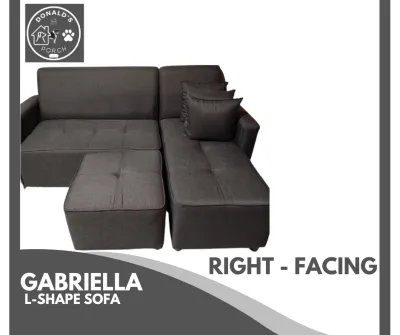
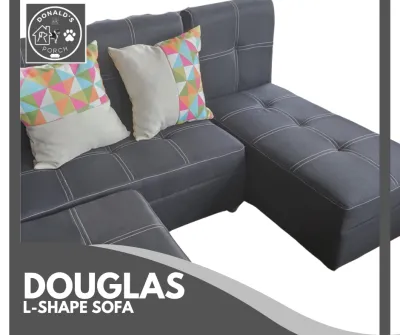
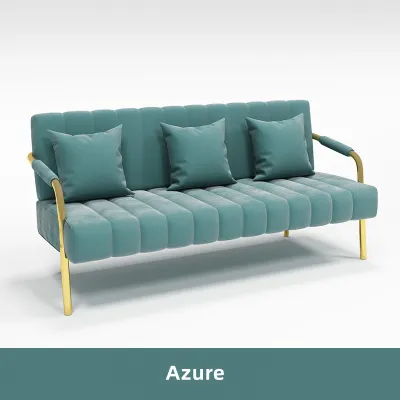
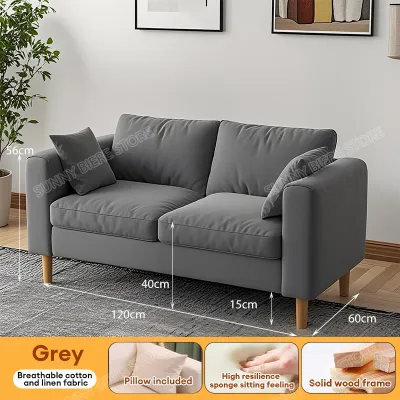
Prices are valid at publication and may change. Please refer to the product page for the latest price.
First, a Japandi sofa features grounded visual weight and a low-profile silhouette. Unlike traditional Western sofas that often stand high on tapered legs, Japandi seating stays closer to the floor. This design choice lowers the room’s center of gravity, creating an immediate sense of stability, calm, and intimacy.
Second, the integration of natural, tactile materials is essential. The frame and upholstery should invite touch, utilizing organic textures that connect the indoors with the natural world. This means prioritizing visible wood grains, textured fabrics, and matte finishes over cold metals, high-gloss plastics, or perfectly uniform synthetic surfaces.
Third, the color palette remains strictly neutral, earthy, and muted. Soft creams, warm beiges, sandy taupes, muted terracotta, and gentle stone grays are standard. These colors reflect natural light beautifully, helping the living room feel airy and spacious while providing a soothing backdrop that does not compete for visual attention.
Finally, clean lines and a strict absence of unnecessary ornamentation define the sofa’s structure. You will not find deep button tufting, ornate carvings, decorative nailhead trims, or oversized rolled arms. Every line must serve a structural or functional purpose, ensuring the sofa remains visually quiet and uncluttered.
Recommended Sofa Silhouettes and Styles
The silhouette of your sofa dictates how energy, light, and movement flow through your living room. Choosing the right structural style depends on your room’s dimensions, your daily seating habits, and how much physical space you want to dedicate to relaxation.

Low-Profile Platform Sofas
Low-profile platform sofas sit very close to the floor, often resting on a solid wooden plinth or extremely short, recessed legs. This style is highly effective in well-lit, open-plan living areas where you want to maintain unobstructed sightlines across the room. By lowering the center of gravity, a platform sofa makes standard ceilings feel taller and small spaces feel significantly more expansive.
The visual benefit of this grounding effect is a sense of tranquil, lounge-like comfort. It encourages a relaxed, informal posture that aligns perfectly with the slow-living philosophy of Japandi design. The solid base also prevents the sofa from looking disconnected from the rest of the room’s decor.
However, practical limitations must be considered before choosing a platform design. The low seat height can make sitting down and standing up more physically demanding, which may not be comfortable for older adults or individuals with joint sensitivity. Additionally, cleaning underneath a low-profile sofa can be difficult; unless the platform is completely flush with the floor to block dust, you will need specialized low-profile vacuum attachments to maintain cleanliness.
Clean-Line Modular and Sectional Sofas
Modular and sectional sofas offer exceptional flexibility, allowing you to adapt your seating configuration to different room layouts without adding visual clutter. In a Japandi context, modular designs rely on strict geometric lines and clean, block-like forms that can be rearranged as your spatial needs evolve.
To maintain a minimalist aesthetic, look for modular systems that feature seamless module connections and hidden hardware. Visible metal brackets, loose gaps, or shifting sections will quickly disrupt the clean, continuous lines of the sofa. The modules should lock together securely to form a cohesive, unified structure.
It is also important to avoid overly bulky, deep, or puffy modular sections. While deep lounging sofas are comfortable, sections that are too wide or lack structural definition can easily overwhelm a Japandi living room. Opt for modules with firm, well-tailored cushions that retain their crisp, rectangular or gently rounded shapes even after prolonged use.
Exposed Wooden Frame Sofas
Exposed wooden frame sofas beautifully highlight the appreciation for natural craftsmanship and organic imperfection. These designs feature a visible wooden structure—often along the base, arms, or back—that cradles the upholstered cushions, creating a striking balance between structural rigidity and soft comfort.
When evaluating these sofas, pay close attention to the wood type, grain visibility, and finish. Light-toned hardwoods such as oak, ash, beech, or high-quality rubberwood are ideal. Ensure the wood features a matte or natural oil finish rather than a shiny, high-gloss varnish, as a matte texture preserves the tactile feel of the wood grain and ages more gracefully.
Achieving spatial harmony requires balancing the visual ratio between the wooden frame and the upholstery cushions. The wooden elements should feel substantial and supportive without looking heavy or industrial, while the cushions should fit snugly within the frame without spilling over the edges. For routine maintenance, exposed wood must be dusted regularly and checked for signs of drying or warping, especially in environments with fluctuating indoor humidity.
Proportions and Spatial Harmony
In a Japandi living room, the space around the furniture is just as important as the furniture itself. This concept of negative space allows the room to breathe and prevents a cramped, chaotic atmosphere. To achieve this, you must carefully balance the sofa’s physical dimensions with the scale of your room.
Start by balancing the seat depth and the backrest height. A classic Japandi sofa typically features a seat depth of 90 to 100 centimeters, paired with a relatively low backrest height of 70 to 80 centimeters. This proportion provides deep, comfortable seating for relaxation while keeping the overall height low enough to preserve open sightlines across the room.
Next, calculate adequate clearance around the sofa to ensure smooth traffic flow. Maintain a minimum of 60 to 80 centimeters of open space between the sofa and adjacent walls, coffee tables, or walkways. If your living room is small, opting for a sofa with slender arms or an armless design can save valuable centimeters of visual and physical space.
Finally, always verify delivery access before finalizing your purchase. Low-profile platform sofas and single-piece wooden frames often have rigid, non-demountable structures that cannot be easily disassembled. Measure your entry doors, hallway corners, stairwells, and elevator cabins to ensure the delivery team can safely maneuver the sofa into your living room without damaging the frame or your home’s walls.
Material and Upholstery Selection
The tactile quality of your sofa’s upholstery is crucial for creating the warmth and comfort central to the Japandi style. Since the aesthetic relies on a limited color palette, visual interest must come from the texture of the fabrics rather than bold patterns or bright colors.
Suitable fabric types include linen, cotton blends, and textured flat weaves. Linen offers an unmatched organic drape and breathability, while cotton blends provide a soft, inviting feel. Textured weaves, such as boucle or low-pile chenille, add depth and warmth, catching the light in ways that make neutral colors feel rich and layered.
However, local environmental conditions must dictate your final fabric choice. In the tropical climate of the Philippines, high humidity and heat can cause tightly woven synthetic fabrics to feel sticky and trap heat. Natural fibers like linen and cotton are highly breathable, but they can be susceptible to moisture retention and mold if the room lacks proper ventilation. Always check the manufacturer’s care labels for breathability, mold resistance, and cleaning instructions to ensure the fabric can withstand local humidity.
Additionally, weigh the upfront cost of fabric upgrades within your ₱ budget against long-term maintenance needs. While standard fabrics may be more affordable initially, upgrading to a performance fabric that features stain-resistant and moisture-wicking properties can save money over time. This is especially true if you have pets, young children, or frequently host guests, as performance fabrics allow you to clean spills easily without resorting to harsh chemical treatments that can degrade the natural fibers.
Japandi Minimalist Sofa Styles Comparison
To help you evaluate which minimalist sofa style best suits your living room, the table below outlines the key characteristics, spatial requirements, and trade-offs of each major design category.
| Sofa Style | Ideal Room Size | Visual Weight | Ergonomic Profile | Maintenance Focus |
|---|---|---|---|---|
| Low-Profile Platform | Medium to Large | Light to Medium | Low seating height; requires more effort to stand | Under-sofa dust prevention and plinth care |
| Clean-Line Modular | Large or Open-Plan | Medium to Heavy | Standard comfort; highly customizable layout | Aligning connection hardware and fabric care |
| Exposed Wooden Frame | Small to Medium | Very Light | Firm, upright support; excellent posture | Wood finish protection and cushion rotation |
Frequently Asked Questions (FAQ)
Can I use a dark-colored sofa in a Japandi living room?
Yes, you can use a dark-colored sofa, such as charcoal gray, deep espresso brown, or muted navy, but it must be integrated with careful balance. To prevent the dark sofa from making the room feel heavy or gloomy, offset its visual weight by pairing it with light-toned wooden flooring, off-white walls, and light-colored accent pillows. Ensure the room receives ample natural light to highlight the texture of the dark fabric, turning the sofa into a sophisticated, grounding focal point rather than a dark void.
How do I style a minimalist sofa to enhance the Japandi aesthetic?
To style your sofa, embrace visual restraint and avoid over-accessorizing. Limit throw pillows to two or three pieces, selecting organic textures like linen, wool, or boucle in muted, earthy tones that complement the sofa’s upholstery. Pair the sofa with a low-profile wooden coffee table and anchor the entire seating arrangement with a natural fiber rug, such as jute, sisal, or a flat-woven wool rug. This creates a cohesive, grounded zone that feels warm, functional, and uncluttered.
Community discussion
Share your experience or ask a question. Comments are reviewed before publication.